Welcome, movie and TV show enthusiasts! Today, I'd like to introduce you to the thought-provoking and gripping anthology series, Black Mirror. This show is a masterful examination of the dark side of technology and its impact on society, exploring themes that are as relevant today as they were when the show first aired. The characters in this show are as diverse and complex as the stories themselves, with Claire Keelan delivering a standout performance as Naomi and Sinead Matthews bringing depth and nuance to her role as Sara.
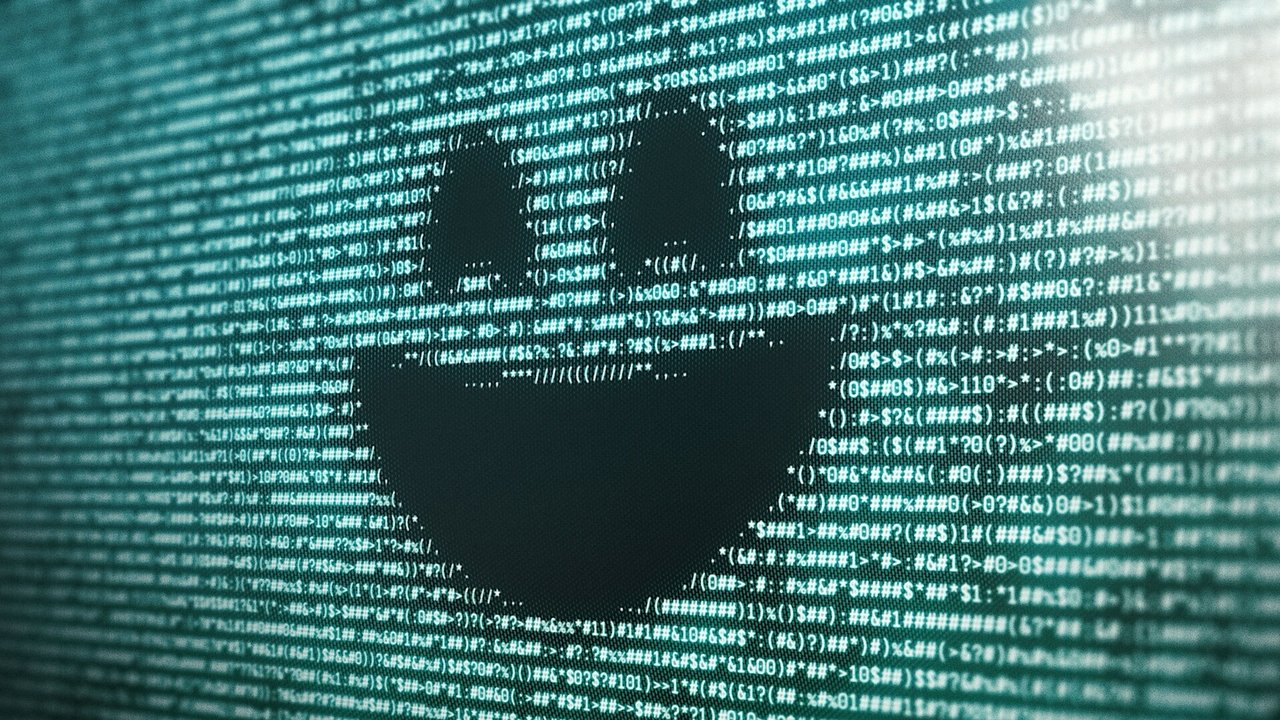
The first thing that strikes you about Black Mirror is its uncanny ability to predict the future. Over the last ten years, technology has transformed almost every aspect of our lives before we've had time to stop and question it. In every home; on every desk; in every palm - a plasma screen; a monitor; a smartphone - a black mirror of our 21st Century existence. The show takes this idea and runs with it, exploring the consequences of our obsession with technology and the unintended consequences that can arise when we blindly accept new innovations without considering the potential downsides.
Each episode of Black Mirror is a self-contained story, allowing the show to explore a wide range of themes and ideas. From the dangers of social media and the perils of virtual reality to the consequences of surveillance and the implications of artificial intelligence, the show is a masterclass in storytelling that will leave you questioning your own relationship with technology. With its dark, twisted humor and razor-sharp satire, Black Mirror is a must-watch for anyone interested in the intersection of technology and society. So why not take a break from your smartphone or tablet and dive into the world of Black Mirror? You won't be disappointed.
Hayley Atwell delivered a compelling performance as Martha in the "Black Mirror" episode titled "Be Right Back," a poignant exploration of grief and the lengths one might go to resurrect a lost love. Atwell's portrayal of Martha is both nuanced and emotionally raw, capturing the character's journey from the depths of sorrow following the sudden death of her partner, Ash, to her tentative hope as she experiments with a service that allows her to communicate with an AI version of him. As Martha becomes increasingly dependent on this digital facsimile, Atwell's performance brilliantly conveys the complex interplay of longing, denial, and eerie unease, showcasing her range as an actress. Her ability to oscillate between the warm familiarity of rekindled companionship and the chilling realization of its artificial nature underscores the episode's deep thematic resonance, making her performance a standout in the acclaimed anthology series. Atwell's nuanced acting ensures that Martha's struggles with technology, memory, and the very essence of human connection linger long after the credits roll.
Domhnall Gleeson delivers a hauntingly nuanced performance as Ash Starmer in the "Black Mirror" episode titled "Be Right Back." His portrayal captures the complex emotional landscape of a man whose life is digitally reconstructed through artificial intelligence after his sudden death. Gleeson's Ash is both eerily familiar and unsettlingly different, as he navigates the uncanny valley between human and android. His performance is a delicate balance of tenderness and eeriness, as he encapsulates the essence of a loved one while subtly revealing the limitations and chilling undertones of his synthetic existence. Gleeson's ability to convey the deep-rooted yearning for connection and the profound discomfort of an identity in question makes his rendition of Ash a standout in the anthology series, leaving a lasting impact on the audience and contributing to the episode's exploration of grief, memory, and the human need for closure.
Rory Kinnear delivers a tour de force performance as Michael Callow in the "Black Mirror" season 1 episode titled "The National Anthem." As the British Prime Minister, Kinnear masterfully balances the public persona of a confident leader with the private turmoil of a man facing an unprecedented personal and political crisis. His character is thrust into a harrowing ordeal when the beloved Princess Susannah is kidnapped, and the ransom demand is as bizarre as it is non-negotiable: the Prime Minister must engage in an intimate act with a pig on live television to secure her release. Kinnear's portrayal is a study in vulnerability and resilience, as he navigates the labyrinth of media scrutiny, political machinations, and his own inner conflict. His ability to convey the depth of Michael's desperation, moral anguish, and the weight of his decisions is both captivating and deeply unsettling, setting a tone of dark realism that resonates throughout the episode. Kinnear's performance is a standout in the "Black Mirror" series, encapsulating the themes of technology's impact on humanity and the voyeuristic nature of modern media consumption.
In the "Black Mirror" episode titled "The Waldo Moment," Lindsay Duncan delivers a compelling performance as Alex Cairns, a seasoned and savvy political consultant. As Alex, Duncan brings a layered complexity to the character, portraying her as a shrewd and calculating figure in the high-stakes world of British politics. Her portrayal captures the essence of a woman who is both ruthless and pragmatic, willing to employ any tactic necessary to ensure her candidate's success, even if it means promoting a controversial and subversive cartoon character, Waldo, as a political candidate. Duncan's performance is a standout as she navigates the murky moral waters of political strategy, all while maintaining a veneer of composure and authority. Her interactions with the other characters, particularly her protege Jamie, reveal a depth of experience and a hint of vulnerability beneath her hardened exterior. Lindsay Duncan's portrayal of Alex Cairns is a masterclass in subtlety and nuance, as she embodies a character that is both a product and a manipulator of the episode's dark, satirical take on the political process.
Donald Sumpter delivered a compelling performance as Julian Hereford in the "Black Mirror" episode titled "Hated in the Nation." As the embattled UK Prime Minister, Sumpter's portrayal was one of gravitas and vulnerability, capturing the essence of a leader caught in a catastrophic technological crisis. His character, Hereford, is thrust into the center of a sinister plot involving a series of deaths connected to social media. Sumpter's performance effectively conveyed the PM's mounting desperation and moral conflict as he grapples with the implications of the digital witch hunt unfolding in his nation. His interactions with the investigators, played by Kelly Macdonald and Faye Marsay, are fraught with tension, revealing the complexities of political responsibility and the personal toll of power. Sumpter's nuanced acting allowed viewers to empathize with Hereford's plight, despite the character's questionable decisions, and his presence added a layer of authenticity to the episode's chilling exploration of the consequences of mob mentality in the age of social media.
Tom Goodman-Hill delivered a captivating performance as Tom Blice in the "White Christmas" special of the acclaimed anthology series "Black Mirror." His portrayal of a seemingly affable and charismatic co-worker to Jon Hamm's character, Matthew, gradually unravels to reveal a darker, more manipulative side. Goodman-Hill's ability to convey the nuanced layers of Tom Blice is impressive; he transitions from a man who appears to be a victim of workplace isolation to someone who has orchestrated a sinister form of psychological torment. His performance is a study in subtlety, as he navigates the complex emotions of guilt, desperation, and malice with a deft touch. The episode's twist hinges on Goodman-Hill's capacity to keep viewers guessing about his character's true intentions, and he does so with a chilling credibility that contributes to the episode's overall eerie atmosphere. His interactions with Hamm are electric, and the tension between the two characters is palpable, making their scenes together some of the most compelling in the episode. Goodman-Hill's portrayal of Tom Blice is a testament to his range as an actor and solidifies his character as one of the more memorable and complex in the "Black Mirror" universe.
Daniel Kaluuya delivered a compelling performance as Bingham 'Bing' Madsen in the "Fifteen Million Merits" episode of the anthology series "Black Mirror." Kaluuya's portrayal of Bing was both nuanced and emotionally resonant, capturing the character's transformation from a disillusioned everyman to a determined rebel within the dystopian world he inhabits. Bing's existence is confined to a society where individuals are forced to cycle on exercise bikes to earn currency, surrounded by screens that inundate them with inescapable advertisements and mindless entertainment. Kaluuya's performance is a study in quiet desperation evolving into fierce defiance; his eyes convey the depth of Bing's internal struggle against the oppressive system. As the narrative unfolds, Kaluuya skilfully navigates Bing's journey from passive acceptance to a passionate awakening, culminating in a powerful finale where he delivers a poignant, rebellious monologue that stands as a testament to his character's—and indeed, humanity's—capacity for resistance and the pursuit of authenticity. His ability to convey complex emotions without succumbing to melodrama is a testament to his talent and contributed significantly to the episode's lasting impact on viewers and the acclaim of the series as a whole.
Rupert Everett delivered a captivating performance in the "Black Mirror" episode titled "Hated in the Nation," where he notably voiced None, an AI-driven entity. While his physical presence was not featured, Everett's voicework was pivotal, providing a chilling and emotionally detached persona that perfectly encapsulated the sinister undertones of the advanced technology portrayed in the episode. His vocal performance was a blend of sophistication and coldness, which underscored the eerie atmosphere characteristic of the "Black Mirror" series. Everett's voice as None was both soothing and unsettling, a testament to his ability to convey complex character traits through intonation and pacing. His interpretation of None contributed significantly to the episode's exploration of the consequences of technology intertwined with society, highlighting the potential dangers of artificial intelligence when it operates without the constraints of human morality. Everett's contribution to "Black Mirror" left an indelible mark on the audience, reinforcing the series' reputation for thought-provoking storytelling.
Lenora Crichlow's portrayal of Victoria Skillane in the "Black Mirror" episode titled "White Bear" is a masterclass in acting that captures the audience's empathy and horror in equal measure. As the protagonist, Crichlow skillfully navigates the complex psychological layers of a woman trapped in a nightmarish scenario, where she is hunted by masked figures while the public indifferently records her plight on their phones. Crichlow's performance is both harrowing and nuanced; she convincingly conveys the terror, confusion, and desperation of her character, who is subjected to a relentless cycle of trauma. Her ability to shift from raw vulnerability to steely determination as Victoria seeks to regain control of her situation and uncover the truth behind her torment is truly captivating. Crichlow's portrayal is central to the episode's success, as it forces viewers to confront uncomfortable truths about society's desensitization to suffering and the ethics of punishment, making "White Bear" one of the most thought-provoking and memorable episodes of the series.
Michael Smiley delivered a chilling and nuanced performance as Baxter in the "White Bear" episode of the anthology series "Black Mirror." As the seemingly helpful stranger who aids the protagonist, Victoria, in a world where most of the population has been turned into voyeuristic zombies by a mysterious signal, Smiley's Baxter is a complex blend of charm and menace. His initial warmth and apparent concern for Victoria's well-being slowly unravel to reveal a more sadistic side, as it becomes clear that he is part of a twisted form of justice or entertainment. Smiley's portrayal is masterful in its subtlety; he conveys the character's duplicity with a calm demeanor that makes the eventual revelation of his true intentions all the more unsettling. His ability to switch from comforting to calculating with just a flicker in his eyes adds layers of depth to the character, making Baxter one of the most memorable and disturbing antagonists in the "Black Mirror" universe. Smiley's performance is a testament to his range as an actor, capable of evoking empathy and horror in the same breath.
Douglas Hodge delivers a chillingly charismatic performance as Rolo Haynes in the "Black Mirror" episode titled "Black Museum." As the enigmatic proprietor of a roadside attraction showcasing macabre artifacts related to high-tech crimes, Hodge's Rolo Haynes is a riveting blend of showman and sociopath. With a disarming southern drawl and a salesman's slick patter, he draws in the episode's protagonist, and by extension the audience, with twisted tales of technological horror. Hodge imbues Rolo with a captivating duality; he is both an engaging storyteller and a morally bankrupt collector of human suffering. His performance is a masterclass in controlled menace, as he unravels the dark history behind each exhibit with a gleeful malice that is as captivating as it is repulsive. The actor's ability to switch from charming to sinister on a dime keeps viewers on edge, making Rolo Haynes one of the more memorable and complex antagonists in the "Black Mirror" anthology. Hodge's portrayal adds depth to the episode's exploration of themes such as exploitation, the commodification of pain, and the ethics of emergent technologies, leaving an indelible impression that lingers long after the credits roll.