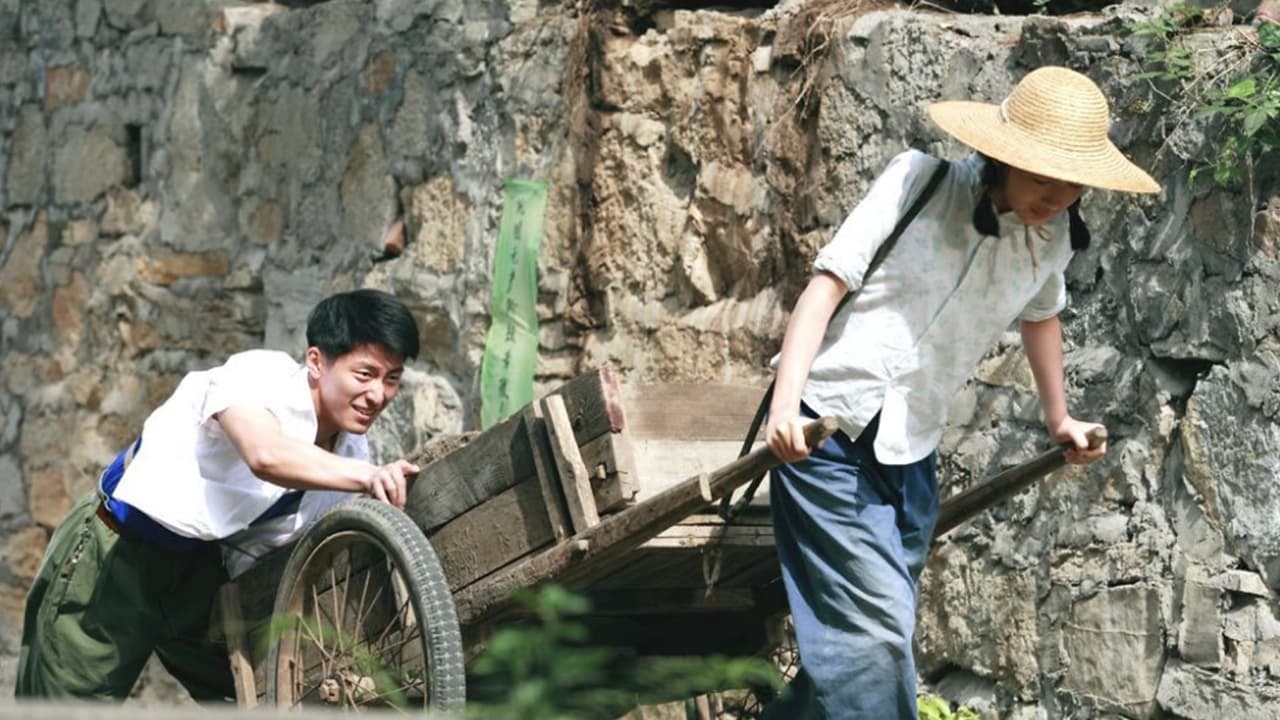
"Under the Hawthorn Tree" is a poignant romantic drama set during China's Cultural Revolution, centering on the tender love story between Jing Qiu, the daughter of a right-wing family sent to the countryside for reeducation, and Lao San, a promising young soldier. Assigned to help write a textbook, Jing Qiu meets Lao San amidst the rural backdrop, where their affection grows despite societal norms and familial objections rooted in class differences. Their romance unfolds against a turbulent historical period, capturing the challenges and innocence of young love in times of political unrest.
The film delves into themes of resilience, class struggle, and the purity of youthful love enduring amid adversity. It sheds light on the injustices faced by intellectuals and families labeled as "right-wingers," portraying the human cost of political ideologies. Through Jing Qiu and Lao San’s relationship, the narrative emphasizes hope and humanity transcending rigid societal divisions, illustrating how personal connections can flourish even when external circumstances seek to suppress them.
Upon release, "Under the Hawthorn Tree" resonated deeply with audiences, becoming renowned for its heartfelt storytelling and delicate portrayal of a bygone era. It brought a nuanced perspective to Cultural Revolution-era narratives, differing from often harsh depictions by highlighting sincere emotion and individual stories. The film not only garnered critical praise but also influenced popular culture by inspiring renewed interest in romantic dramas set against historical backdrops, contributing to a wave of Chinese cinema that blends personal tales with wider social contexts.
Full Cast of Under the Hawthorn Tree

Zhou Dongyu

Shawn Dou
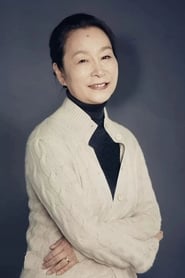
Xi Meijuan
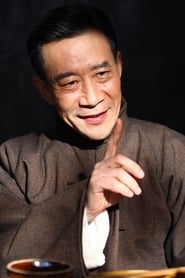
Li Xuejian
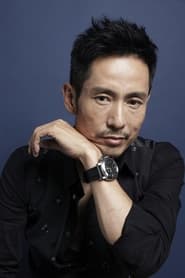
Cheng Taishen

Lü Liping

Jiang Ruijia
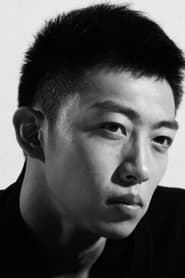
Yu Xinbo

Sun Hai Ying

Huang Xiaoge
Wang Xueqin
Crew of Under the Hawthorn Tree
Full backstage crew list →- Released September 15, 2010