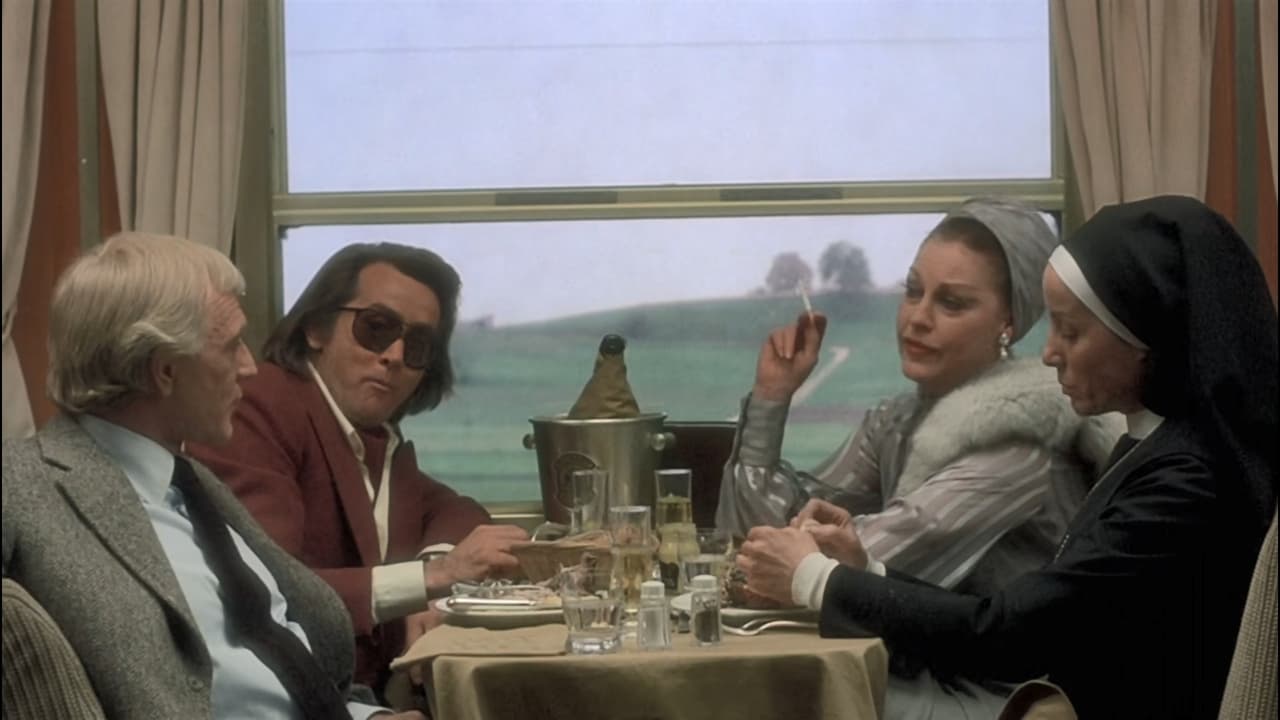
"The Cassandra Crossing" is a suspenseful thriller that follows the harrowing journey of passengers aboard a European train who find themselves unwitting carriers of a deadly disease. As the infection spreads, authorities quarantine the train, refusing to allow anyone to disembark, turning the transit into a flying prison. The passengers must confront not only the threat of the disease but also the sinister decisions made by those in power, creating a tense atmosphere filled with fear and uncertainty.
Key themes in "The Cassandra Crossing" include the tension between public safety and individual rights, the ethical dilemmas faced during crises, and the psychological impact of isolation and helplessness. The film explores how fear can lead to drastic governmental actions, sometimes at the expense of human compassion. It also delves into the idea of sacrifice, survival, and the notion of fate—reflected in the title's reference to the Cassandra myth, symbolizing ignored warnings and inevitable disaster.
Upon its release, "The Cassandra Crossing" garnered mixed reviews, with praise for its gripping storyline and ensemble cast, though some critics noted melodramatic elements. Despite this, the film achieved a cult status over time, influencing the disaster thriller genre and serving as a reference point in discussions about biohazard narratives in cinema. Its portrayal of a crisis combined with geopolitical undertones has kept it relevant in pop culture conversations, especially during times when public health emergencies resonate globally.
Main Cast of The Cassandra Crossing

Sophia Loren

Richard Harris
Crew of The Cassandra Crossing
Full backstage crew list →- Released December 18, 1976