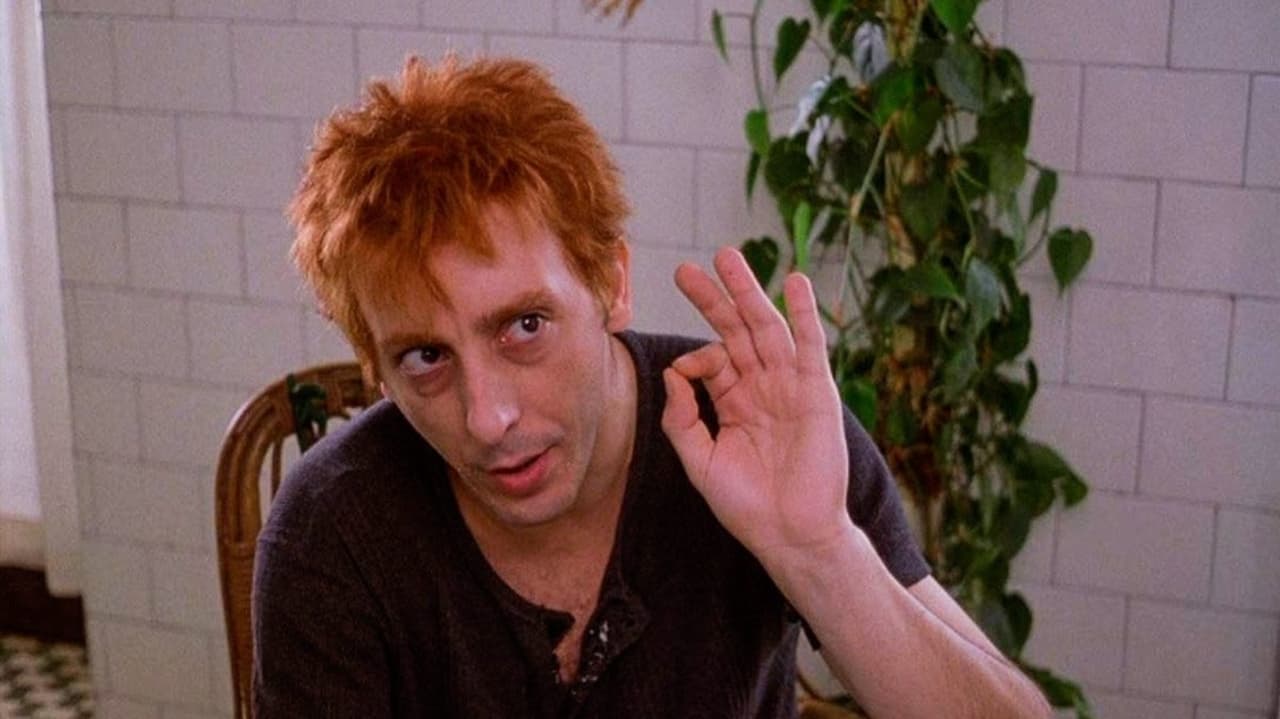
"Lucignolo" presents a modern, irreverent twist on the classic tale of Pinocchio, focusing on Lucio, a red-haired, pleasure-seeking manchild who spends his days idling with his friend Pino. The story takes a turn when Lucio becomes enamored with the captivating head of the local mental institution, setting him on a path of unexpected change and self-discovery. This retelling highlights the journey from carefree indulgence to confronting deeper personal desires and responsibilities.
At its core, "Lucignolo" explores themes of maturity, escapism, and the complexities of human longing. By shifting the perspective to a Candlewick-like character, the film challenges traditional narratives about innocence and growth, presenting a protagonist who grapples with the tension between youthful hedonism and the inevitability of emotional evolution. The story also touches on mental health and societal perception, subtly critiquing the boundaries between sanity and madness.
Upon release, "Lucignolo" garnered attention for its bold reinterpretation of a beloved story and its candid portrayal of flawed, relatable characters. While some critics praised its fresh humor and depth, others found its adult themes divisive. Nonetheless, the film has left a lasting mark on pop culture, inspiring discussions about adaptation, character perspective, and the universal struggle to reconcile freedom with responsibility.
Full Cast of Lucignolo

Massimo Ceccherini

Claudia Gerini

Alessandro Paci
Flavio Bucci
Carlo Monni
Tinto Brass

Alessia Barela

Paolo Rossi
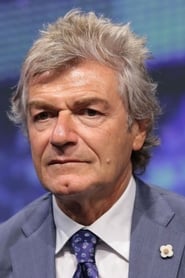
Giancarlo Antognoni
Crew of Lucignolo
Full backstage crew list →- Released March 05, 1999