
In the captivating world of "Young Werther," we are introduced to the titular character, a charming and passionate young novelist whose whimsical nature is both his strength and his weakness. Sent to the bustling city on an errand by his well-meaning mother, Werther's life takes an unexpected turn when he encounters the enchanting Charlotte. Instantly drawn to her beauty and vivacity, he finds himself captivated by her charm. However, Charlotte is not a free spirit; she is deeply committed to her fiancé, Albert, a man who epitomizes stability and responsibility. This chance meeting ignites a tumultuous journey for Werther, as he struggles to reconcile his growing feelings for Charlotte with the reality of her commitment to another.
As Werther becomes increasingly entangled in Charlotte's world, the emotional dynamics between the trio intensify. Charlotte, torn between her loyalty to Albert and her burgeoning connection with Werther, finds herself navigating a maze of conflicting emotions. Meanwhile, Albert, unaware of the true extent of Werther's feelings for Charlotte, develops an uneasy camaraderie with him. Their awkward friendship serves as a backdrop to the rising tension, as the boundaries of social propriety are tested by passion and desire. The film delves into the complexities of unrequited love, friendship, and the ethical dilemmas that arise when one’s heart refuses to acknowledge societal expectations.
As the narrative unfolds, the film poignantly explores themes of love, longing, and heartache, inviting audiences to empathize with the characters' struggles. The deeper Werther and Charlotte's emotional affair becomes, the more precarious their situation turns, leading to a conflict that reveals the heartbreaking consequences of desire and attachment. In the end, "Young Werther" not only tells a story of romantic aspiration and the pains of love but also reflects on the often unpredictable course of human emotions, leaving viewers to ponder the choices made in the name of love.
Full Cast of Young Werther

Douglas Booth

Alison Pill

Amrit Kaur

Iris Apatow

Patrick J. Adams

Laurie Murdoch

Liam Ma

John Thomas Gauthier

Miles Carney
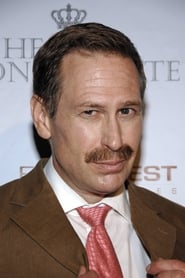
Scott Thompson
Crew of Young Werther
Full backstage crew list →- Released December 05, 2024