In the captivating film 'Wonder Woman', audiences are introduced to Diana Prince, an extraordinary Amazonian warrior with remarkable superhuman abilities. Raised in the idyllic confines of Themyscira, an island hidden from the rest of the world, Diana is trained from a young age to be a fierce and skilled fighter. When an American pilot crashes on her island and informs her of a catastrophic war raging beyond its shores, Diana feels compelled to leave her home and step into the world of man, believing she can utilize her gifts to bring peace and restore justice.
As she embarks on her journey, Diana quickly finds herself embroiled in the complexities of World War I. With her iconic Lasso of Truth, unmatched combat skills, and innate sense of honor, she harnesses her powers to combat the nefarious forces at play. Throughout her quest, she encounters not only the brutality of war but also the intricate web of deception spun by an international spy ring that seeks to undermine the Allied efforts. Diana’s determination to end the conflict leads her down a path filled with challenges and sacrifices that test her resolve and the very ideals she fights for.
The interactions and relationships she forges with the men and women around her serve to ground her extraordinary abilities, revealing the complexities of humanity even as she battles formidable foes. In 'Wonder Woman', viewers witness a powerful story of empowerment, bravery, and the quest for truth as Diana stands tall against the darkness, ultimately redefining what it means to be a hero in a world fraught with turmoil. Through her journey, the film not only showcases breathtaking action sequences but also delves into themes of love, sacrifice, and the unwavering strength of the female spirit.
Full Cast of Wonder Woman

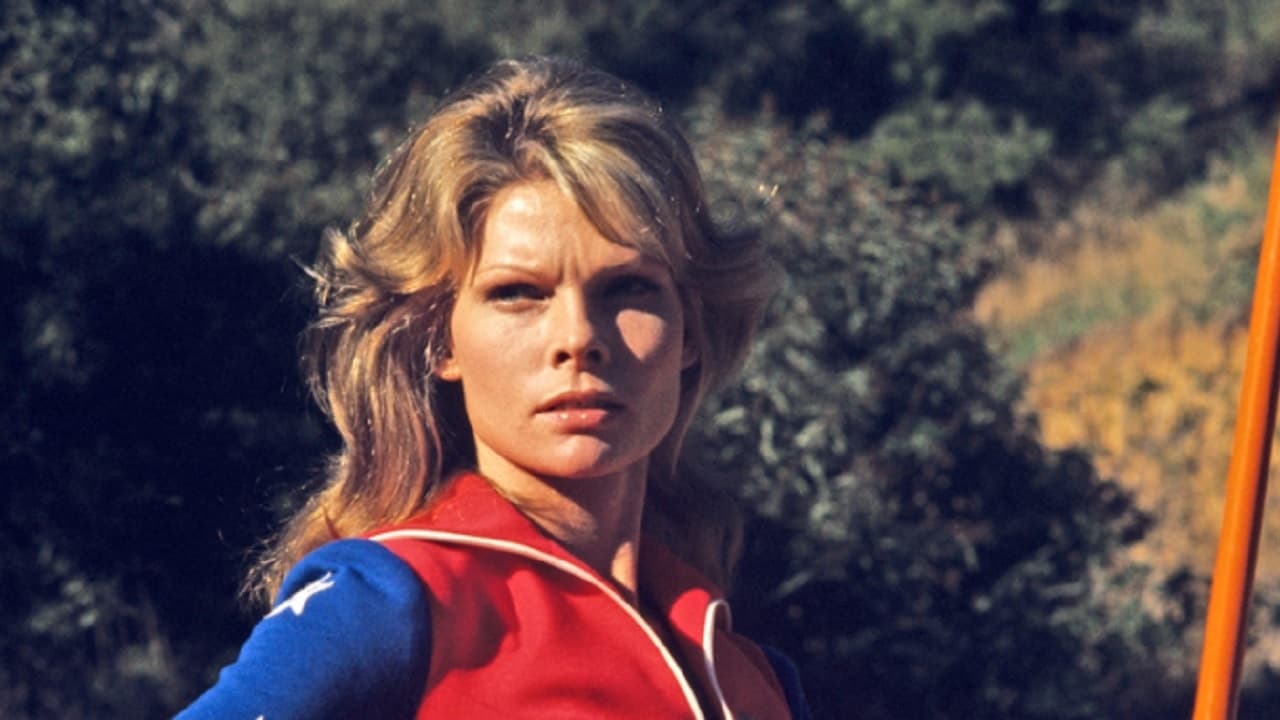
Cathy Lee Crosby
Cathy Lee Crosby brought a unique interpretation to the iconic role of Wonder Woman/Diana Prince in the 1974 television movie of the same name. Her portrayal diverged significantly from the comic book source material, presenting a more humanized and less overtly superpowered version of the character. Crosby's Diana Prince was an intelligent and capable agent, relying more on her wits, martial arts skills, and athleticism rather than superhuman strength or Amazonian training. While her performance was praised for its charm and grace, it also faced criticism from some fans who were accustomed to the more traditional depiction of Wonder Woman as a full-fledged superhero. Crosby's costume, lacking the character's signature stars and stripes, also contributed to the more subdued aesthetic of her character. Despite the mixed reactions, Crosby's portrayal remains a notable entry in the history of Wonder Woman's live-action adaptations, paving the way for future interpretations that would continue to evolve the character's on-screen presence.
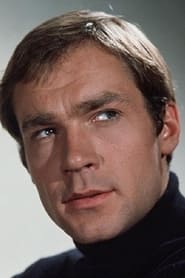
Kaz Garas
Kaz Garas' portrayal of Steve Trevor in the 1974 television movie "Wonder Woman" brought a charismatic and grounded presence to the iconic character, serving as the primary love interest and sidekick to the titular superheroine, played by Cathy Lee Crosby. Garas embodied Trevor with a blend of suave demeanor and earnestness, effectively capturing the character's role as a government agent with a strong moral compass. His performance was marked by a palpable chemistry with Crosby, which lent authenticity to their partnership and the romantic undertones of their relationship. While the film itself diverged from the comic book source material in various ways, Garas' take on Trevor was notably more action-oriented, aligning with the era's preference for more physically capable male leads. His Trevor was both a capable ally to Wonder Woman and a character with his own agency, contributing to the dynamic of the film. Although the movie received mixed reviews and the character differed significantly from the comics, Garas' performance was a standout element, providing a solid foundation for the relationship at the heart of the story.
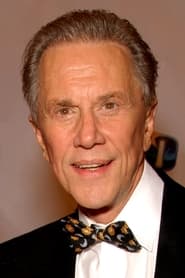
Andrew Prine
Andrew Prine brought a nuanced and engaging portrayal to the character of George Calvin in the 2017 film "Wonder Woman." As a seasoned actor with a rich filmography, Prine infused his role with a sense of gravitas and warmth that served as a solid foundation for the narrative. His depiction of George Calvin, a U.S. Army intelligence officer during World War I, provided a critical human connection to the world of the Amazons. Prine's performance was highlighted by his ability to convey both strength and vulnerability, making his character not only a believable military figure but also a compassionate ally to the protagonist, Diana Prince, played by Gal Gadot. His interactions with the titular heroine were pivotal in bridging the gap between her mythical origins and the harsh realities of the human world, offering a touchstone for the audience's own journey into the world of Wonder Woman. Prine's portrayal of Calvin, though a supporting role, was instrumental in the emotional and thematic arcs of the film, showcasing his versatility and the depth he brought to the character.
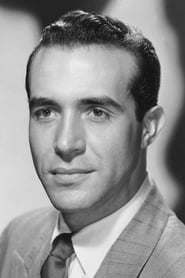
Ricardo Montalban
In the 1977 TV movie "Wonder Woman: The New Original Wonder Woman," Ricardo Montalban delivered a suave and charismatic performance as the cunning villain Abner Smith. Montalban's portrayal of Smith, a wealthy businessman with a sinister flair for deception and manipulation, showcased his exceptional ability to command the screen with a blend of sophistication and menace. His character, who masterminds an elaborate plot to steal top-secret information from the U.S. government, engages in a delightful game of cat and mouse with the titular heroine, played by Lynda Carter. Montalban's performance is highlighted by his smooth delivery of dialogue, his ability to convey a sharp intellect, and the palpable sense of danger he brings to the role. His interactions with Wonder Woman are particularly memorable, as he matches her strength and wit with his own brand of calculated cunning, making Abner Smith a formidable adversary and a testament to Montalban's talent for playing complex antagonists.

Charlene Holt

Anitra Ford
Anitra Ford delivered a compelling performance as Ahnjayla in the 1970s television movie "Wonder Woman," bringing to life the character with a captivating presence that complemented the iconic superhero's world. Ford's portrayal of Ahnjayla, a villainous accomplice to the nefarious Colonel Radl, showcased her ability to exude both allure and menace. Her interactions with the titular character, played by Lynda Carter, were charged with a dynamic intensity, emphasizing the contrast between the forces of good and evil. Ford's performance was notable for its blend of charisma and cunning, as she navigated the campy aesthetics of the era's superhero genre with a self-assured poise that left an indelible mark on the narrative. Her character's arc, while brief, was memorable, contributing to the rich tapestry of adversaries that Wonder Woman faced in her early live-action adaptation, and solidifying Ford's place in the legacy of the Wonder Woman franchise.
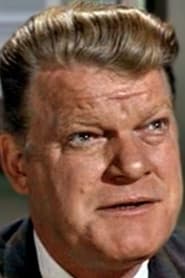
Richard X. Slattery
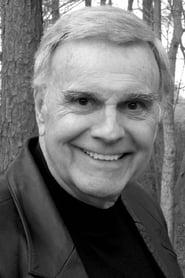
Jordan Rhodes
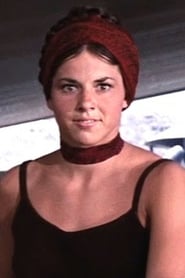
Donna Garrett
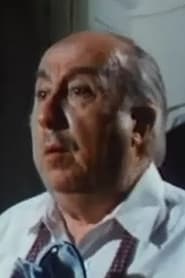
Lomax Study
Crew of Wonder Woman
Full backstage crew list →- Released on March 12, 1974