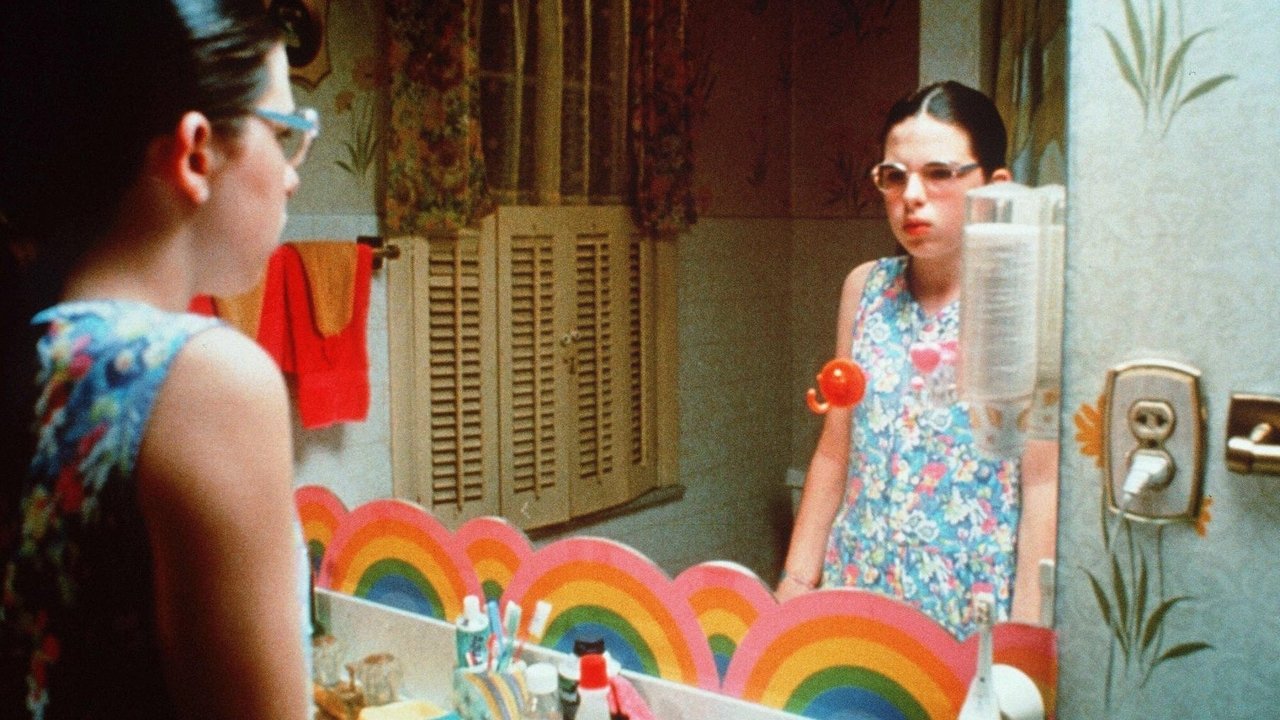
"Welcome to the Dollhouse" is a dark comedy-drama that centers on Dawn Wiener, an awkward and unpopular seventh grader navigating the perils of suburban adolescence. Portrayed by Heather Matarazzo, Dawn grapples with the typical struggles of middle school life: bullying, family neglect, and the quest for self-identity. Alongside her is Cookie, played by Christina Brucato, her younger sister, adding another layer to the complex family dynamics that unfold throughout the narrative. The film offers a candid exploration of the challenges faced by an unattractive and socially marginalized girl trying to survive the trials of growing up in a seemingly indifferent environment.
At its core, "Welcome to the Dollhouse" tackles themes of alienation, family dysfunction, and the cruelty inherent in adolescent social hierarchies. It shines a light on the oft-ignored emotional turmoil of middle-childhood, particularly focusing on how neglect from inattentive parents and relentless bullying can shape a young person's sense of self-worth. The film doesn't shy away from the harsher realities of suburban life, employing dark humor and blunt storytelling to expose the vulnerabilities and resilience of its protagonist. Through Dawn's experiences, the narrative critiques societal expectations about beauty, popularity, and the pressures to conform.
Upon its release, "Welcome to the Dollhouse" garnered critical acclaim for its raw and honest portrayal of teenage angst and suburban malaise. It became a cult classic, resonating with audiences who saw reflections of their own uncomfortable adolescent years. The film's impact extends into pop culture as an emblematic indie project that challenges the polished portrayals of youth typical in Hollywood. Heather Matarazzo's performance was particularly praised for its authenticity, helping to cement the film's enduring legacy as a pioneering work that gives voice to the overlooked and misunderstood youths of American suburbia.
Main Cast of Welcome to the Dollhouse

Heather Matarazzo

Christina Brucato
Victoria Davis
Crew of Welcome to the Dollhouse
Full backstage crew list →- Released March 22, 1996