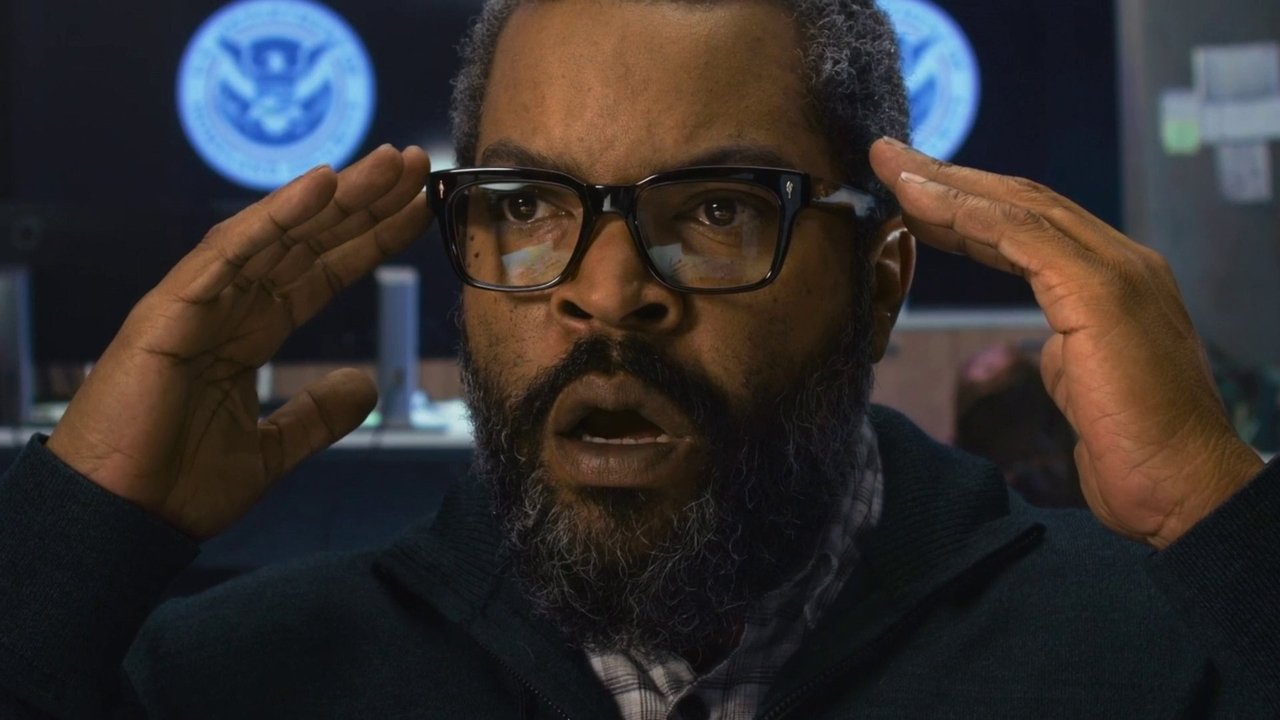
"War of the Worlds" follows Will Radford, a leading analyst for Homeland Security, who monitors potential threats via an extensive mass surveillance program. When an unforeseen attack by an unknown force unfolds, Radford becomes entangled in a web of suspicion, doubting the transparency of his government and uncovering ominous truths that suggest a deeper conspiracy aimed at concealing the reality of the global crisis.
At its core, "War of the Worlds" delves into themes of trust, paranoia, and the ephemeral nature of security in an age dominated by surveillance. It questions the ethical boundaries of government oversight and the sacrifices made in the name of protection, illustrating how fear can blur the lines between safety and oppression. The story also reflects on humanity's resilience and the chaos unleashed when the familiar rules of society are shattered by an alien invasion, thereby critiquing both governmental authority and societal responses to existential threats.
Since its release, "War of the Worlds" has made a significant impact on pop culture, inspiring numerous adaptations and discussions about the role of surveillance and governmental transparency in modern society. Its gripping narrative and relevant themes have resonated with audiences worldwide, reinforcing the sci-fi genre's power to mirror contemporary anxieties. The series has cultivated a dedicated following and continues to provoke critical conversations about trust, security, and humanity's place in an ever-changing world.
Critics' Reviews
Full Cast of War of the Worlds
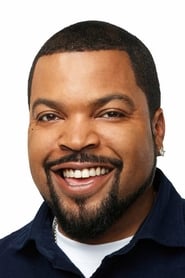
Ice Cube

Eva Longoria
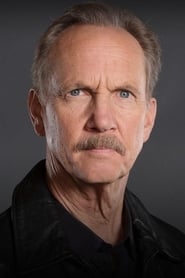
Michael O'Neill

Jim Meskimen

Andrea Savage
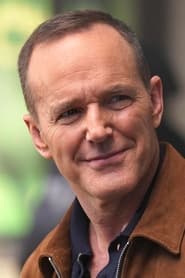
Clark Gregg
Crew of War of the Worlds
Full backstage crew list →- Released July 30, 2025