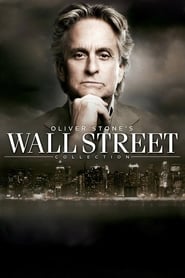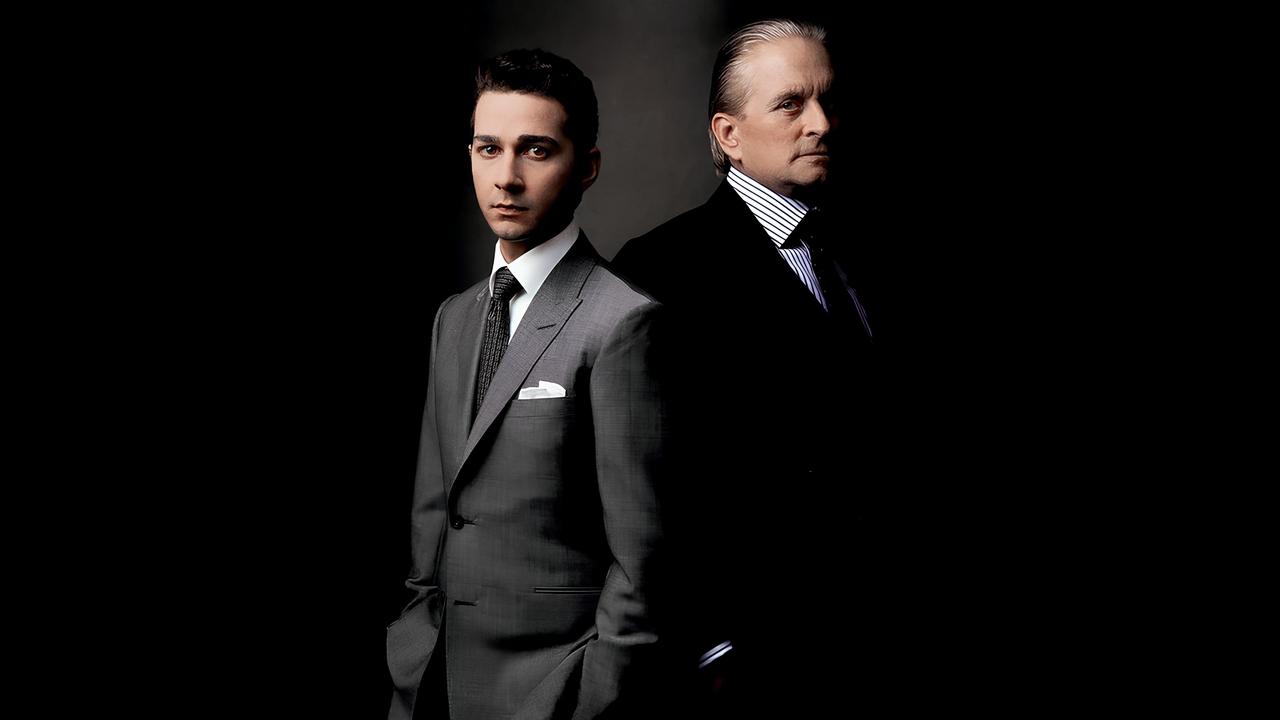
"Wall Street: Money Never Sleeps" continues the saga of financial intrigue and corporate greed set against the backdrop of the 2008 economic crisis. The film follows a young and ambitious Wall Street trader named Jacob Moore, portrayed by Shia LaBeouf, who seeks guidance from the infamous and recently paroled Gordon Gekko, played by Michael Douglas. As the global economy spirals towards collapse, Jacob and Gekko team up on a dual mission: to warn the financial community about the impending crisis and to uncover the truth behind the suspicious death of Jacob's mentor.
The narrative delves deeply into themes of redemption, the corrupting influence of money, and the complexities of financial ethics. Gordon Gekko's character embodies both the charm and ruthlessness of high-stakes finance, reflecting the moral ambiguity present during the economic meltdown. The film critiques the greed and reckless risk-taking that contributed to the downfall of the global economy, while highlighting the personal costs borne by individuals entangled in the system. It also explores the tension between mentorship and betrayal, as Jacob navigates a world where trust is scarce and allegiances shift rapidly.
Upon its release, "Wall Street: Money Never Sleeps" sparked varied reactions, with some praising its timely commentary on the financial crisis and strong performances, especially by Douglas reprising his iconic role. While it may not have matched the cultural impact of its 1987 predecessor, the film reignited conversations about Wall Street ethics and the human consequences of economic collapse. It remains a significant cinematic portrayal of a tumultuous period in modern financial history, resonating with both audiences interested in drama and those following real-world economic events.
Main Cast of Wall Street: Money Never Sleeps

Michael Douglas

Shia LaBeouf

Josh Brolin

Carey Mulligan
Crew of Wall Street: Money Never Sleeps
Full backstage crew list →- Released September 20, 2010
- Part of Wall Street Collection