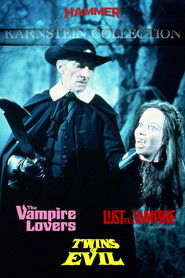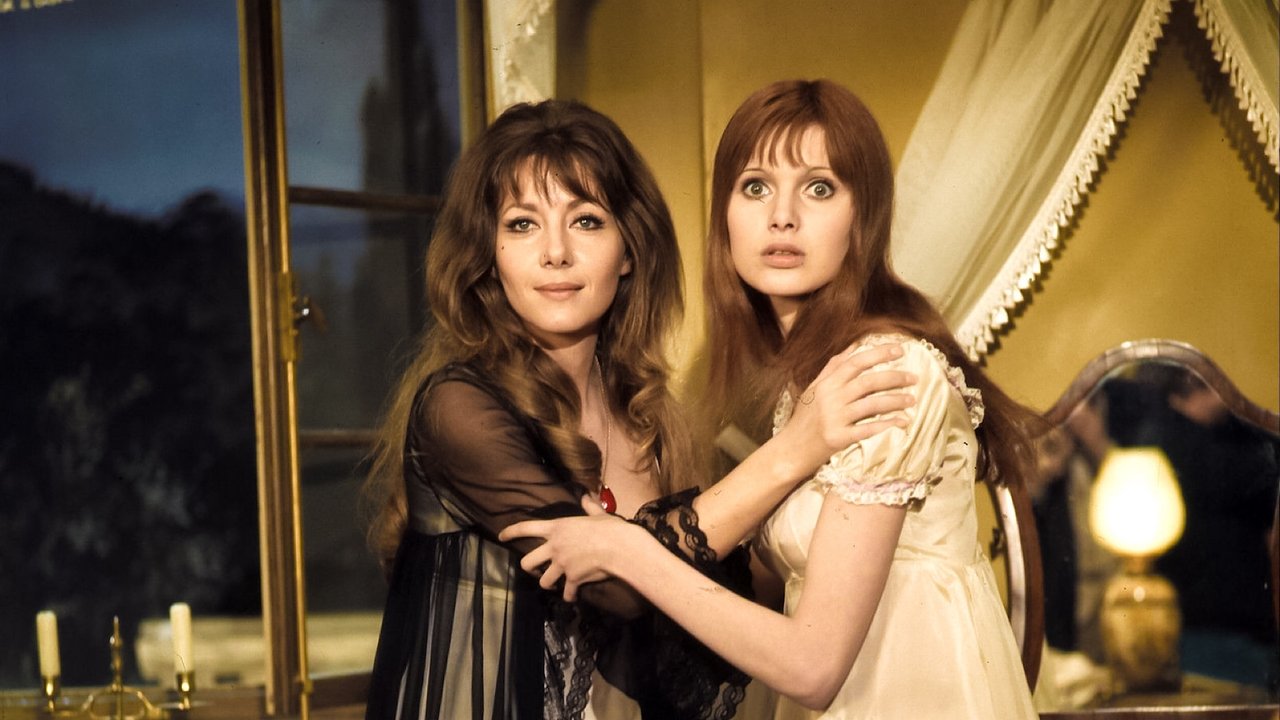
"The Vampire Lovers," set in the eerie countryside of Styria, unravels the chilling tale of the Karnstein Family—vampires who, even after death, rise from their graves to spread terror in their insatiable quest for fresh blood. Determined to end their reign of darkness, Baron Hartog avenges his family—victims of their vampirism—by hunting down and staking the undead. However, one elusive grave remains undiscovered: that of the enchanting and deadly Mircalla Karnstein. Years of uneasy peace shatter when Mircalla returns, driven by vengeance and an unquenchable thirst for blood.
The film delves into themes of forbidden desire, revenge, and the blurred lines between good and evil. Through Mircalla's character, it explores the seductive power of darkness and how beauty can mask unspeakable horror. Additionally, the narrative touches on the consequences of obsession—both in the vampires’ relentless hunt for victims and Baron Hartog's single-minded crusade against the undead. The story is emblematic of gothic horror, blending sensuality with terror, and challenging societal norms around love and mortality.
Upon its release, "The Vampire Lovers" stood out for its bold embrace of eroticism intertwined with horror, marking a notable shift in vampire cinema. It influenced subsequent films within the genre by pushing boundaries of content and style, contributing to the cult status of vampire tales in pop culture. Its legacy persists in how vampire narratives continue to balance allure with menace, cementing the film’s role as a significant and provocative piece of gothic horror history.
Full Cast of The Vampire Lovers
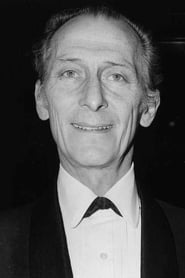
Peter Cushing
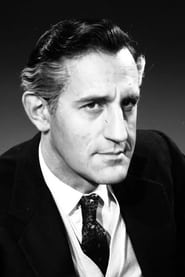
Douglas Wilmer
- Released October 04, 1970
- Part of Karnstein (Hammer) Collection