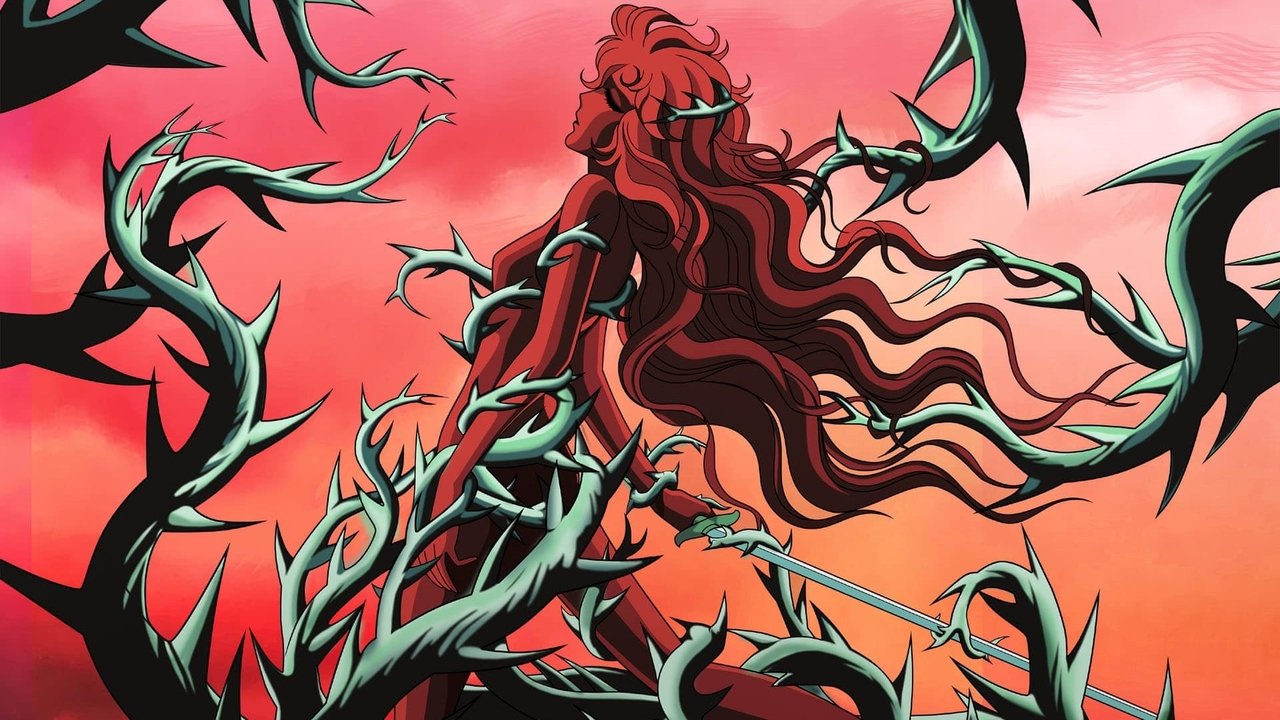
In 'The Rose of Versailles', the story unfolds against the backdrop of the opulent court of Versailles during the tumultuous years leading up to the French Revolution. At the center of this historical drama is Lady Oscar François de Jarjeyes, portrayed by the talented Reiko Tajima. Raised from birth as a man to fulfill her father's wish, Lady Oscar has been molded into a fierce and loyal commander of the palace guards. Her striking beauty and noble spirit not only captivate those around her but also set her apart as a luminous figure in a world dominated by societal expectations. Despite her revered status, Lady Oscar finds herself at a crossroads, her life caught in a struggle between her overwhelming sense of duty to her country and her own burgeoning desires, presenting an intricate portrait of a woman bound by the constraints of her class and upbringing.
Alongside Lady Oscar is the famed Marie Antoinette, brought to life by Miyuki Ueda. As the reigning queen, Marie embodies the excesses and challenges of noble life at Versailles, yet she is also portrayed with depth and emotion. Their interactions provide insight into the contrasting lives of royalty and the common people. While Marie indulges in the luxury of her position, Oscar's sharp, compassionate eyes perceive the growing unrest outside the palace walls. This duality creates a rich tension, as Oscar must balance her obligation to the crown with her empathy for the multitude of struggling citizens—a reflection of the broader socio-political landscape brewing in France but largely ignored by the privileged elite.
As the narrative unfolds, 'The Rose of Versailles' deftly explores themes of identity, loyalty, and social justice, emphasizing the inner turmoil of a woman who must navigate the treacherous waters of power and passion. Lady Oscar's journey is one of self-discovery as she grapples with the expectations placed upon her and the desires she harbors within. The emotional landscape is beautifully rendered, showcasing not only the glamour of court life but also the human struggles that lie beneath the surface. In a time of looming revolution, Oscar's story resonates as both a personal tale of conflict and a broader commentary on the societal upheavals of the era.
Main Cast of The Rose of Versailles

Reiko Tajima

Miyuki Ueda
Crew of The Rose of Versailles
Full backstage crew list →- Released October 10, 1979