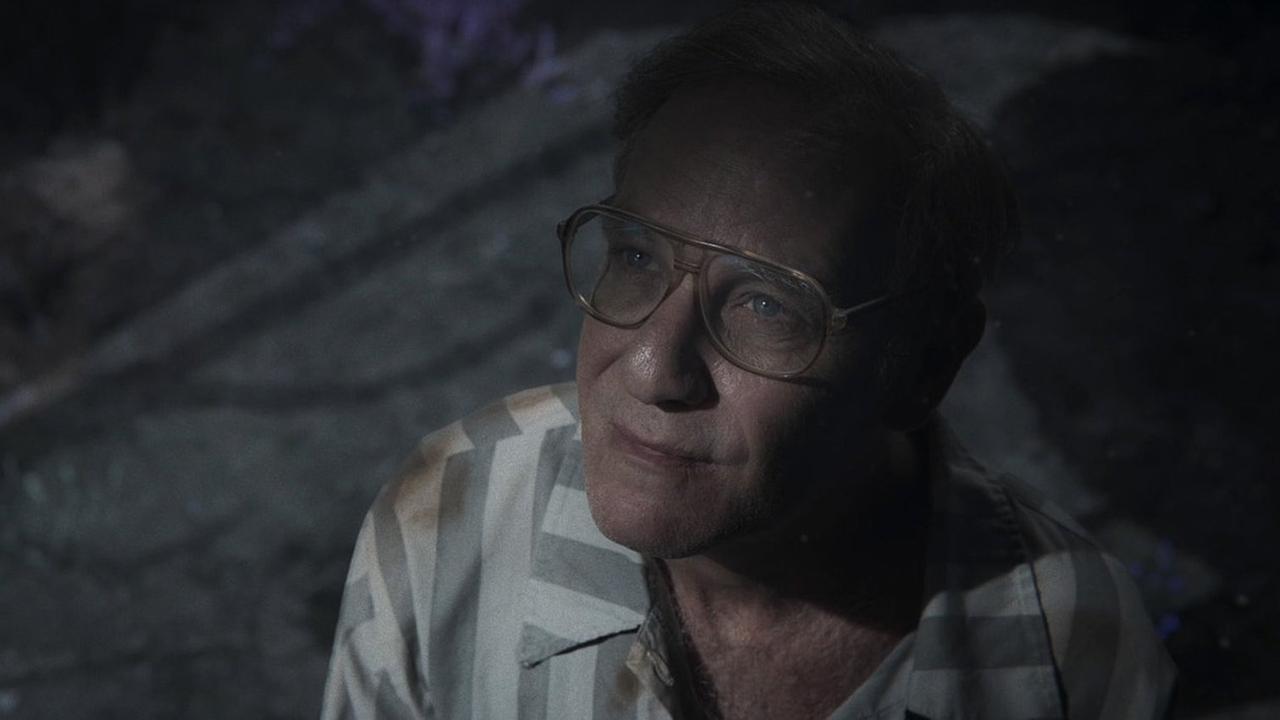
In the aftermath of World War II, Yechiel De-Nur emerged from the horror of Auschwitz, a place that had stripped him of his humanity and left deep psychological scars. In 1945, still clad in the remnants of his concentration camp uniform, De-Nur began the arduous task of putting his experiences into words. Over the course of two intense weeks, his former self was replaced by the literary persona Ka-Tzetnik, famously known as “the man from the camps.” This transformation marked the beginning of an extraordinary literary journey, culminating in a series of poignant works that would resonate globally. The intense reality of his writings captured the unimaginable suffering and dehumanization he endured, and they were soon translated into 32 languages, selling millions of copies worldwide. Ka-Tzetnik became a symbol of a voice that dared to convey the truth of human suffering.
In 1961, at the highly publicized trial of Adolf Eichmann, Ka-Tzetnik's testimony served as a poignant reminder of the atrocities committed during the Holocaust. His chilling description of Auschwitz as “the other planet” painted a stark picture of a realm where usual human morals had dissolved, and individuals were reduced to mere numbers and victims of an unfathomable evil. The courtroom was captivated as he unveiled his identity, illustrating the depths of human trauma and the lingering shadows of his memories. His revelations not only confronted the world with the stark realities of the Holocaust but also challenged society's understanding of justice, memory, and the burden of survival.
Years later, in an attempt to confront and heal from his traumatic past, Yechiel De-Nur sought experimental LSD treatment to delve back into his memories. This exploration led him to reimagine his experiences from an entirely different perspective, even envisioning himself as an SS officer during the darkest days of his life in the camps. This radical shift in perception would fundamentally influence his understanding of both trauma and identity, inviting a complex dialogue about the nature of evil, complicity, and the psychology of survivors. The re-examination of his past not only changed how he viewed his history but also offered new insights into the collective memory of the Holocaust, underscoring the importance of narrative in the quest for healing.
Crew of The Return from the Other Planet
Full backstage crew list →- Released on March 13, 2025