"The Red Violin" weaves a captivating narrative that traces the journey of a remarkable musical instrument over three centuries. Crafted in 1681 by the Italian master violin maker Nicolo Bussotti, portrayed by Carlo Cecchi, the red violin embarks on a journey spanning continents — from its origins in Cremona to Austria, England, China, and ultimately Canada. Along the way, the violin impacts a series of owners, bringing both extraordinary beauty and profound tragedy. In contemporary Montreal, an appraiser played by Samuel L. Jackson uncovers the violin’s intricate history, uncovering stories that intertwine human passion with the violin’s mystique.
At its core, "The Red Violin" explores themes of legacy, the passage of time, and the intertwining of art with human experience. The violin stands as a silent witness to love, loss, ambition, and sacrifice, serving as a metaphor for the enduring power of art to transcend generations and cultures. Through the interconnected stories that span centuries, the film probes how objects carry emotional and historical weight, encapsulating the joys and sorrows of their owners while reflecting broader cultural narratives.
Upon release, "The Red Violin" garnered critical acclaim for its sweeping storytelling, lush cinematography, and evocative score. It resonated with audiences and critics alike, cementing its place as a poignant exploration of music and history. The film’s unique structure and thematic depth have influenced subsequent works in cinema that merge art with historical storytelling. Moreover, it has contributed to popular culture by deepening appreciation for the violin’s cultural significance and the mysteries embodied within treasured artefacts.
Main Cast of The Red Violin
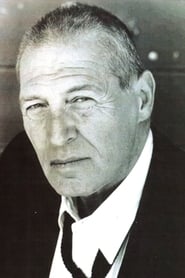
Carlo Cecchi

Irene Grazioli

Anita Laurenzi

Jean-Luc Bideau
Tommaso Puntelli
Samuele Amighetti
Crew of The Red Violin
Full backstage crew list →- Released November 13, 1998
- Academy Awards (1999)
Winner - Music (Original Score).