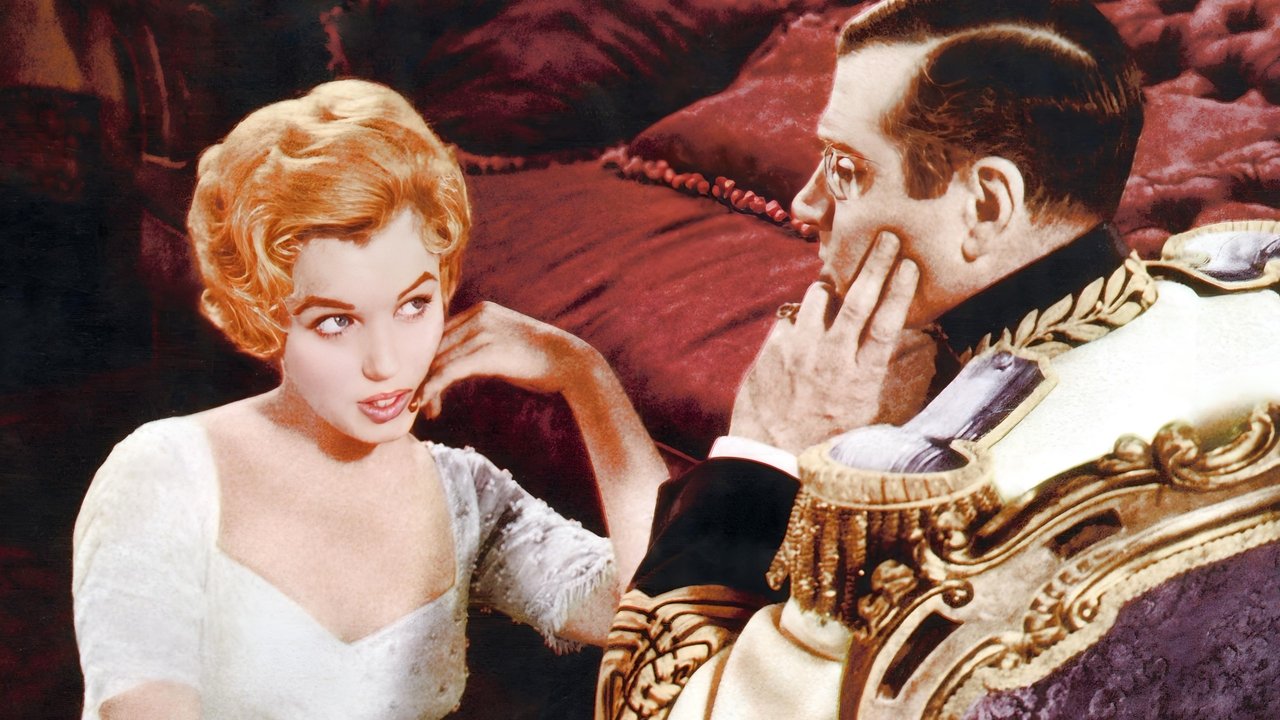
"The Prince and the Showgirl" is a charming romantic comedy set against the backdrop of post-World War I Europe. The plot follows Elsie, a charismatic American showgirl (played by Marilyn Monroe), who becomes embroiled in the delicate politics of a small foreign kingdom after catching the eye of the reserved and duty-bound Prince Regent (portrayed by Laurence Olivier). Their unlikely connection creates a captivating narrative that blends romance, humor, and political drama.
At its core, the film explores themes of cultural clash and the tension between personal desire and societal expectations. Elsie's lively American spirit contrasts with the prince's rigid royal responsibilities, highlighting the challenges of bridging disparate worlds. Additionally, the story touches on ideas of power, identity, and the performative nature of roles—both on stage and in life—as the characters navigate their public duties and private feelings.
Upon its release, "The Prince and the Showgirl" garnered significant attention, partly due to the star power of Monroe and Olivier, who also directed the film. While the movie received mixed critical reviews, it has since attained a nostalgic charm and is appreciated for its unique blend of sophistication and whimsy. The film stands as an iconic example of early 1950s cinema, contributing to the enduring legacy of its lead actors and influencing the romantic comedy genre.
Main Cast of The Prince and the Showgirl

Marilyn Monroe
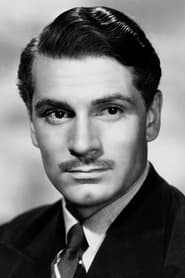
Laurence Olivier
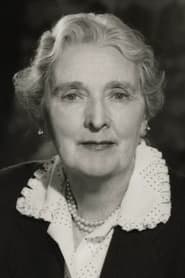
Sybil Thorndike
Crew of The Prince and the Showgirl
Full backstage crew list →- Released June 13, 1957