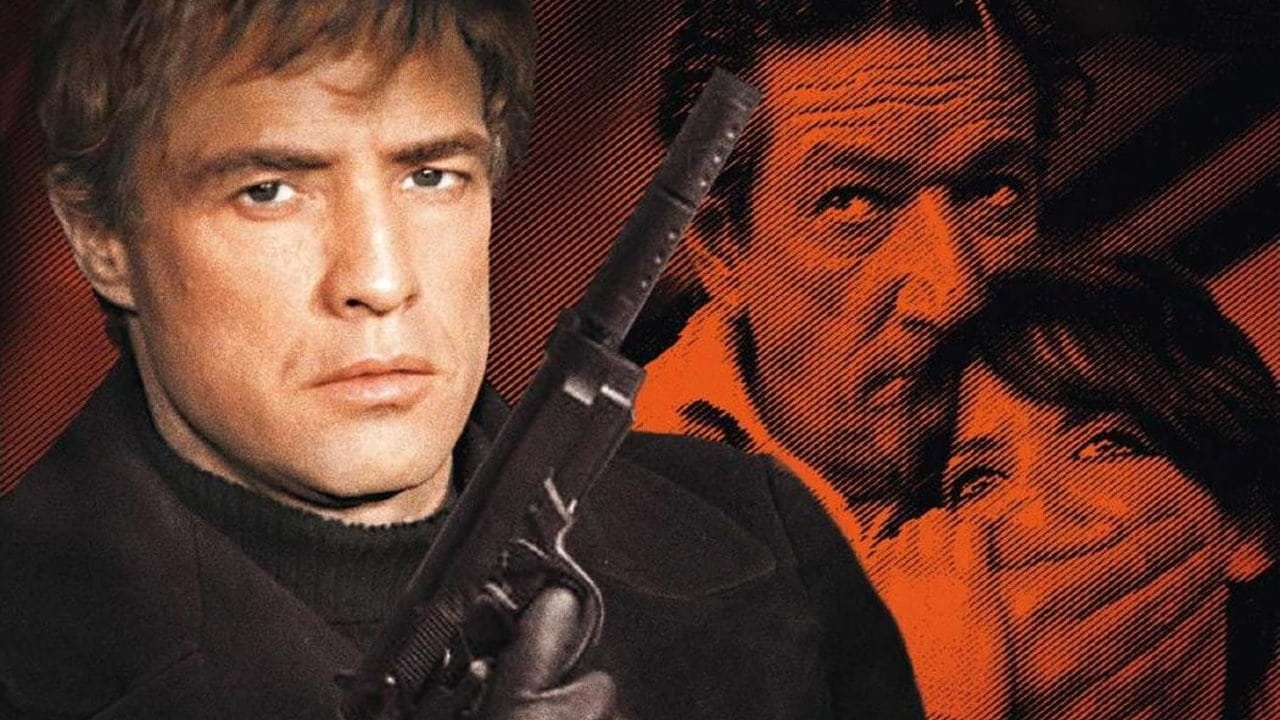
In the gripping thriller 'The Night of the Following Day,' a tightly-knit gang of four seasoned criminals executes a calculated kidnapping that takes place in the bustling atmosphere of a Paris airport. Their target is a wealthy teenage girl, the daughter of a billionaire, and their plan is to hold her for ransom, ensuring hefty financial gains. Each member of the gang plays a crucial role in what seems like a foolproof scheme; however, the complexities of their personalities and backgrounds soon threaten to unravel their careful orchestration. While the bright lights of Paris fade into the distance, the group's dark intentions become more palpable as they transport the girl to an isolated beach house, a seemingly perfect hideout far removed from the prying eyes of law enforcement.
As the kidnappers settle into their temporary lair, paranoia and tension within the group begin to rise. While they initially exhibit a facade of camaraderie, the strains of the high-stakes situation expose long-buried insecurities and vices that each character harbors. Personal demons resurface, turning camaraderie into conflict as insecurities and greed lead to internal strife. Just as the plan seems to be unfolding perfectly, these underlying issues breed a volatile atmosphere, and what was once a team of four dedicated professionals begins to fracture under pressure. Trust becomes a commodity that is rapidly dissipating as suspicions grow and ulterior motives emerge.
As betrayals start to surface, the narrative reaches a thrilling climax. Each gang member must confront not only the repercussions of their disintegrating alliance but also the moral implications of their actions. The tension escalates as the line between captor and captive blurs, revealing the struggles and vulnerabilities of both the kidnappers and the young girl. In a story where every decision has dire consequences, 'The Night of the Following Day' intricately weaves suspense and drama, culminating in a series of unexpected twists that leave audiences questioning the true nature of humanity in desperate situations.
Main Cast of The Night of the Following Day
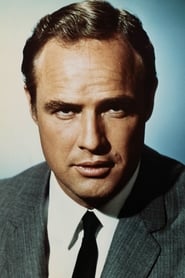
Marlon Brando
Marlon Brando delivered a compelling performance in the 1968 film "The Night of the Following Day," where he took on the role of the Chauffeur, a character whose name is as enigmatic as his motives. Brando's portrayal brought depth to a film that navigates the tense landscape of a kidnapping gone awry. His Chauffeur is a complex figure, exuding an air of quiet menace juxtaposed with a disarming vulnerability. Brando's mastery of subtlety is on full display as he conveys the character's internal struggles and the moral ambiguity that surrounds his actions. With his trademark mumble and intense gaze, he creates a palpable sense of unease, keeping both his fellow characters and the audience off-balance, unsure of his loyalty or intentions. The performance is a testament to Brando's ability to humanize even the most ambiguous roles, leaving an indelible mark on the film and showcasing his talent for transforming into characters that are both intimidating and strangely sympathetic.
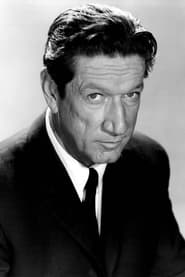
Richard Boone
Richard Boone delivered a chilling performance as the menacing Leer in the 1969 thriller "The Night of the Following Day." His portrayal of the sadistic kidnapper was a stark departure from his more heroic roles, showcasing his versatility as an actor. Boone's Leer was a study in controlled malevolence, his every move and glance exuding a palpable threat. With his deep, commanding voice and imposing physical presence, he dominated the screen, creating an atmosphere of dread whenever he appeared. Boone brought a complexity to the character, layering Leer's brutish exterior with subtle hints of vulnerability and desperation, making him all the more unsettling. His interactions with lead Marlon Brando were electric, as the two heavyweights sparred with tension that crackled through the film. Boone's performance was a standout, cementing his reputation as an actor capable of exploring the depths of human depravity with as much conviction as he approached nobility.
Secondary Cast of The Night of the Following Day




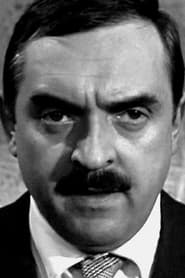
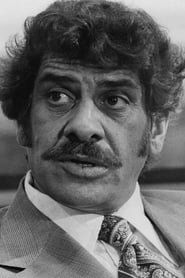

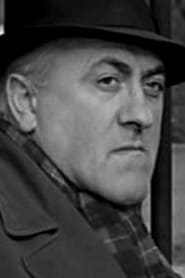
Hugues Wanner
Éric Rophé
Pierre Vaudier
Crew of The Night of the Following Day
Full backstage crew list →- Released on January 10, 1969