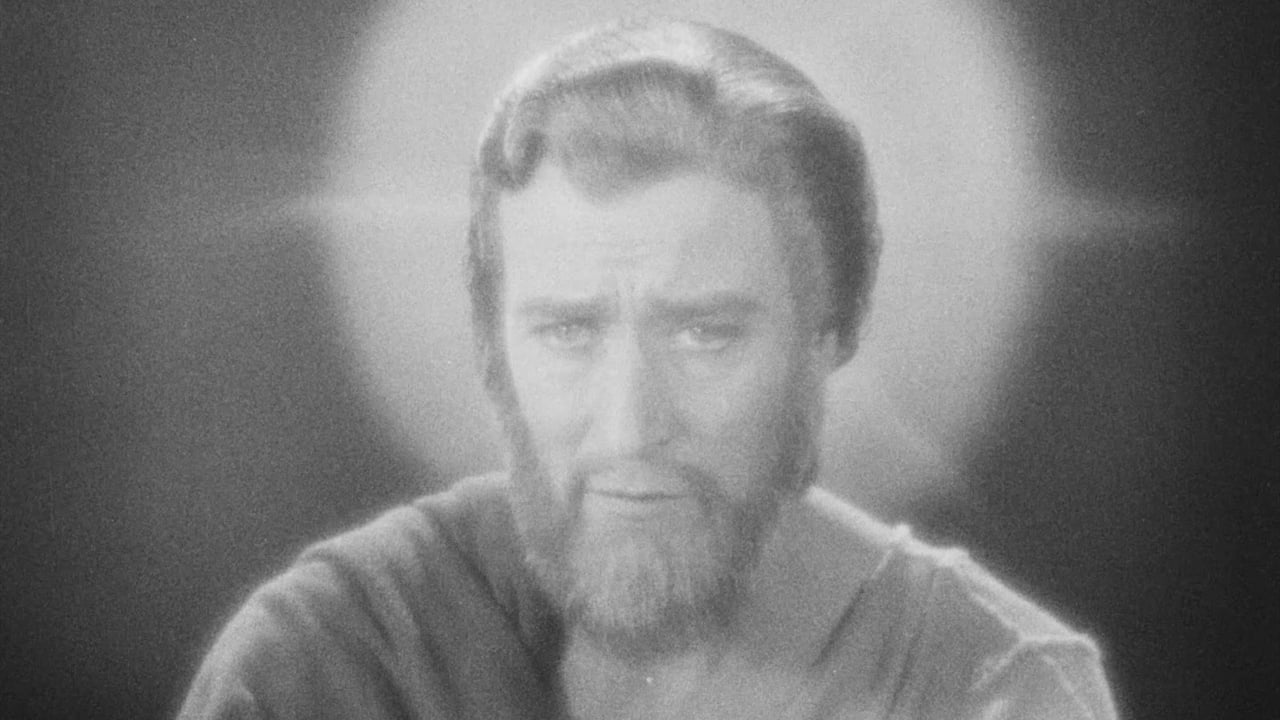
"The King of Kings" is celebrated as the Greatest Story Ever Told, a cinematic masterpiece envisioned by the legendary director Cecil B. DeMille. Released in 1927, this film was crafted with one of the largest budgets in Hollywood history, showcasing DeMille's exceptional ability to blend grand storytelling with reverent admiration for its subject. The film chronicles the life and Passion of Jesus Christ, as portrayed by H.B. Warner, whose performance embodies both the humanity and divinity of the central figure. Alongside Warner, Dorothy Cumming delivers a poignant portrayal of Mary, the Mother of Jesus, contributing to the film's emotional depth. DeMille’s meticulous attention to character detail, along with the film's commitment to biblical text, creates an engaging narrative that resonates with audiences.
Set against the backdrop of a changing world, "The King of Kings" presents a gripping account of Christ’s life, from his humble beginnings to his profound teachings and ultimate sacrifice. The film features a staggering cast of thousands, showcasing the epic scale characteristic of DeMille's work. Each frame is enriched with a blend of dramatic visuals and innovative cinematic techniques that were groundbreaking for its time, offering viewers a unique and immersive experience. By employing a combination of both spiritual substance and visual spectacle, DeMille ensures that the film transcends mere entertainment to serve as a reverent homage to its holy subject.
What makes "The King of Kings" particularly notable is its ability to merge the sacred narratives of the Gospel with the spectacle of Technicolor film. The film’s intricate staging, along with captivating performances, invites audiences to reflect on the themes of faith, redemption, and sacrifice. Ultimately, under DeMille's direction, this 1927 silent film became a timeless classic, leaving an indelible mark on both cinema and religious storytelling. By intertwining grandeur with religious devotion, "The King of Kings" continues to inspire and resonate with viewers, solidifying its place in the pantheon of great films.
Main Cast of The King of Kings
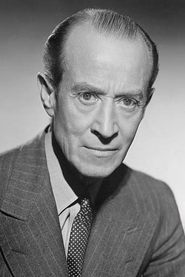
H.B. Warner

Dorothy Cumming
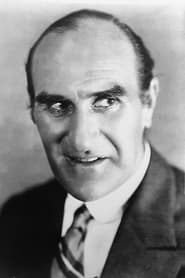
Ernest Torrence
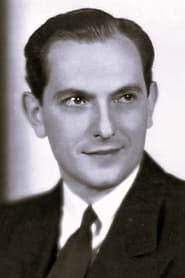
Joseph Schildkraut
Joseph Schildkraut delivered a nuanced and memorable performance as Judas Iscariot in Cecil B. DeMille's 1927 silent epic, "The King of Kings." His portrayal of the infamous disciple is laced with complexity, capturing the inner turmoil and conflicted loyalties that lead to Judas's ultimate betrayal of Jesus. Schildkraut's Judas is not merely a villain but a man torn between his ideals and the political realities of the time, grappling with his role in a movement that didn't unfold as he had envisioned. His expressive eyes and subtle gestures convey a deep sense of sorrow and regret, particularly in the moments following his fateful act of betrayal for thirty pieces of silver. Schildkraut's performance is a standout in the film, bringing a touch of humanity and depth to one of history's most reviled characters, and it stands as a testament to his skill as an actor during the silent film era.
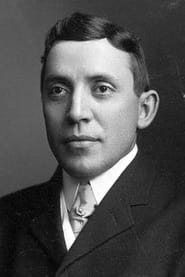
James Neill
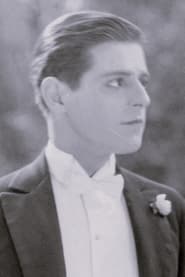
Joseph Striker
Secondary Cast of The King of Kings

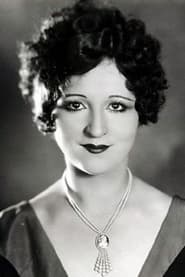
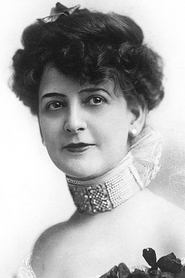
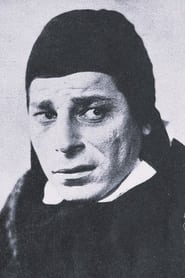




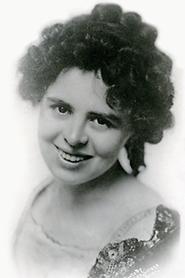

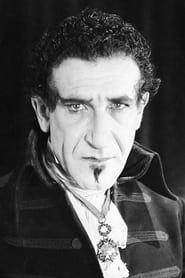
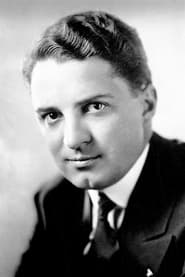
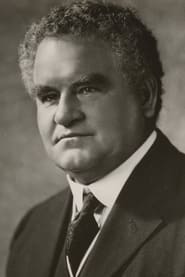
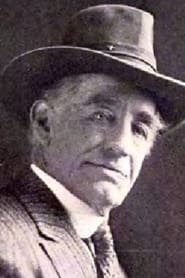
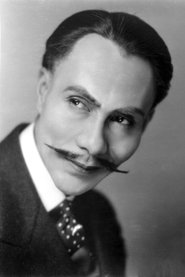
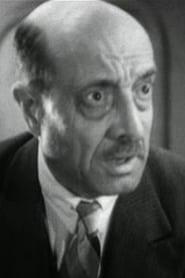
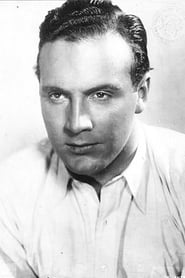
Ruth Miller
Mark Strong
David Imboden
Clayton Packard
Robert Ellsworth
Alan Brooks
Viola Louie
Muriel McCormac
Leon Holmes
Lucio Flamma
Crew of The King of Kings
Full backstage crew list →- Released on April 19, 1927