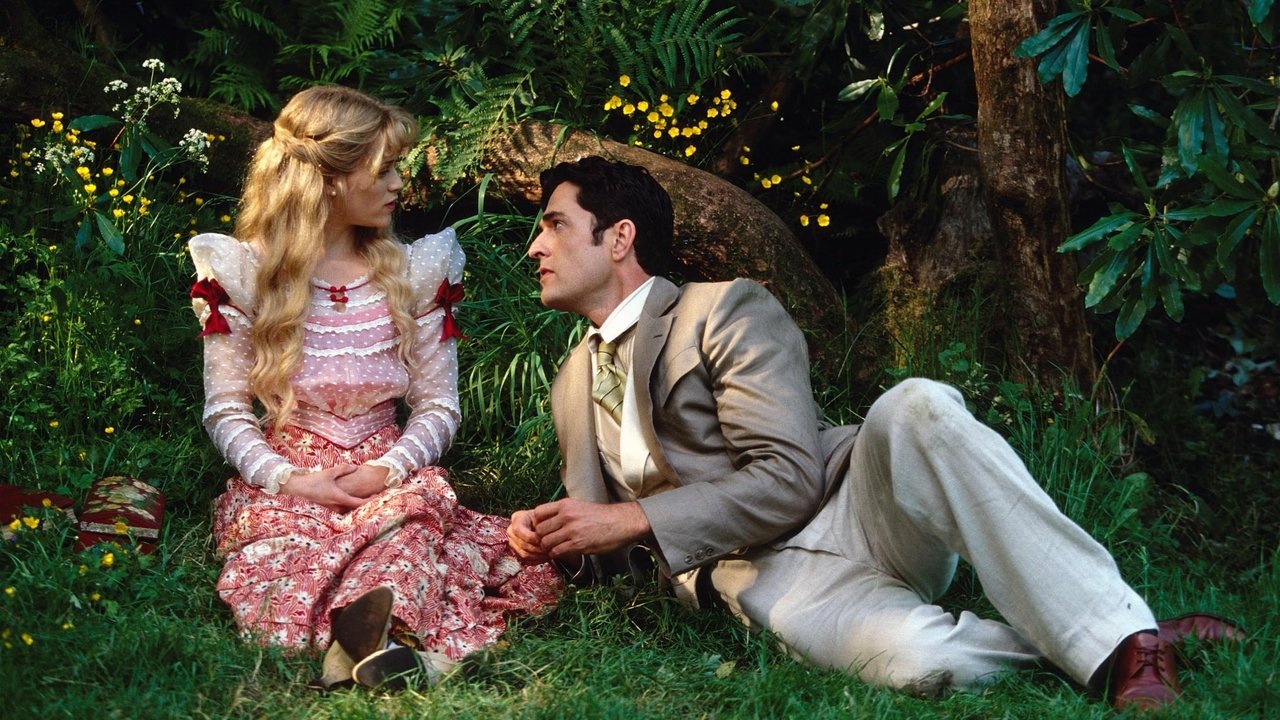
"The Importance of Being Earnest" by Oscar Wilde is a quintessential example of a comedy of manners, a genre that satirizes the behaviors and customs of a particular social class—in this case, the Victorian aristocracy. Typical elements of this genre found in the play include witty dialogue, satire of social norms, mistaken identities, and romantic entanglements that highlight the absurdities of societal expectations. The play incorporates farcical situations, such as using the fictitious name "Ernest" as an alter ego, leading to humorous misunderstandings and critiques of marriage, identity, and social obligation.
What makes "The Importance of Being Earnest" stand out from other Romance titles is its sharp, clever wit and its subversion of romantic tropes. Rather than focusing solely on the romantic development, it emphasizes the trivialities and contradictions of Victorian courtship and social values. The play's humor arises from intellectual banter and ironic situations rather than earnest emotional expressions, making it a satire that transcends typical romantic storylines and offers a timeless critique of social pretense and identity.
Main Cast of The Importance of Being Earnest

Rupert Everett

Colin Firth
Crew of The Importance of Being Earnest
Full backstage crew list →- Released May 17, 2002