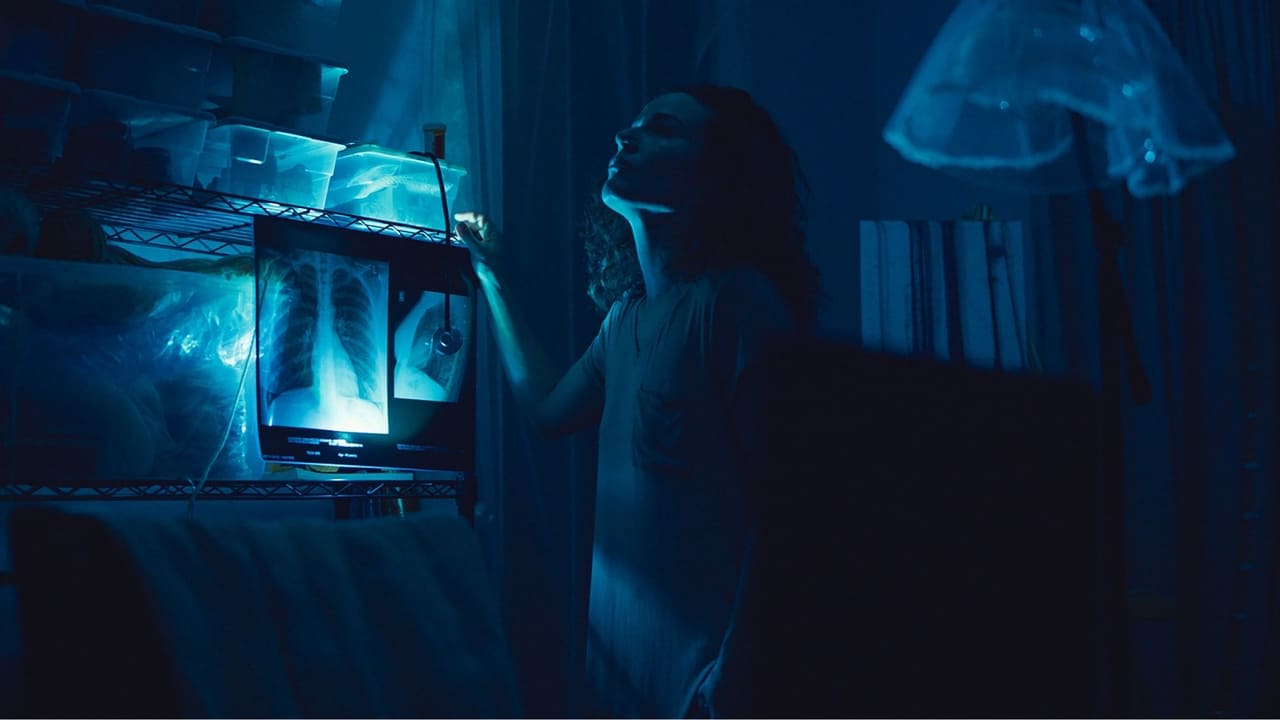
In the poignant film "The Fishbowl," we follow the journey of Noelia, portrayed by Isel Rodriguez, as she confronts the harsh realities of her terminal cancer diagnosis. Faced with the grim prognosis and the relentless spread of her illness, Noelia makes a powerful and defining choice to return to her roots in Vieques, Puerto Rico. This decision is not merely about geographical relocation; it symbolizes her quest for autonomy over her own life and the circumstances surrounding her fate. It’s a brave move that encapsulates the struggle between accepting fate and fighting for a life lived on her own terms.
Upon her return to Vieques, Noelia finds herself reunited with a community deeply scarred by years of U.S. Navy military practices, which have left lasting environmental and emotional scars. Her friends and family, portrayed with sensitivity by Modesto Lacen as Juni and other supporting characters, are still grappling with the consequences of this contamination. Their quaint island home is juxtaposed against the backdrop of past traumas, illustrating how the echoes of military presence have permeated not just the land but the lives of its inhabitants. The film beautifully weaves personal stories with broader themes of environmental justice and resilience.
Through Noelia’s experiences, "The Fishbowl" paints a vivid picture of a woman reclaiming her agency while also reflecting the collective struggles of her community. It serves as a heartfelt reminder of the importance of home, the complexity of healing, and the undeniable ties that bind individuals to their land and culture. As Noelia reestablishes connections and seeks closure with her past, she embodies the spirit of defiance against an unjust world, inspiring both her community and the audience to reflect on the resilience of the human spirit.
Full Cast of The Fishbowl
Isel Rodriguez
Modesto Lacen
Modesto Lacen delivers a compelling performance as Juni in the movie 'The Fishbowl', bringing depth and complexity to a character caught in the crucible of familial expectations and personal desires. Juni's internal struggle is palpable, as Lacen masterfully balances the character's quiet frustration with moments of tender vulnerability. His interactions with the other characters reveal a multifaceted dynamic, where love and tension intertwine, highlighting the intricate tapestry of family relationships. Lacen's portrayal resonates with authenticity, making Juni's journey towards self-acceptance and liberation both relatable and deeply moving. His performance anchors the emotional core of the film, ensuring that the audience is fully invested in the character's transformation and ultimate redemption.
Magali Carrasquillo
Maximiliano Rivas

Georgina Borri

Anamín Santiago

Idenisse Salamán

Carola García
Crew of The Fishbowl
Full backstage crew list →- Released on March 21, 2025