"The Dirty Mind of Young Sally" centers on Sally, a rebellious young woman who operates a pirate radio station out of her van. With a sultry and captivating voice, Sally broadcasts provocative music and messages that encourage her teenage audience to embrace their desires and break free from societal constraints. Her radio show becomes a cultural phenomenon, inciting a surge of youthful energy and passion throughout the community. However, this uprising alarms the authorities, who dispatch police forces to locate and shut down Sally's illicit broadcasts.
At its core, the film explores themes of youthful rebellion, sexual liberation, and the power of alternative media as a form of expression and resistance. Sally's radio show symbolizes a challenge to the establishment and societal norms, emphasizing individuality and freedom of speech. The narrative delves into the tension between authority and personal autonomy, highlighting the conflicts that arise when conservative institutions attempt to suppress emerging cultural movements. It also touches upon the impact of music and media in shaping social attitudes and mobilizing communities.
Upon its release, "The Dirty Mind of Young Sally" sparked both controversy and acclaim. While some critics condemned its explicit content and daring themes, others praised its boldness and cultural relevance. The film gained a cult following, particularly among younger audiences who resonated with its message of liberation and defiance. Over time, it influenced discussions on censorship, youth culture, and the role of media in social change, cementing its place as a provocative and impactful piece in pop culture history.
Main Cast of The Dirty Mind of Young Sally
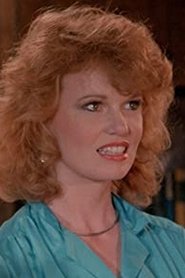
Colleen Brennan

George Buck Flower
Crew of The Dirty Mind of Young Sally
Full backstage crew list →- Released January 01, 1973