
Set in the haunting landscapes of 1750s Austria, "The Devil's Bath" introduces audiences to the struggles of Agnes, portrayed by the mesmerizing Anja Plaschg. Newly married, Agnes initially experiences the joy of loving companionship, yet this bliss is quickly overshadowed by the burdens of domesticity and societal expectations. The weight of her responsibilities and the restrictive nature of her life become a growing source of despair, drawing her deeper into an emotional and psychological turmoil that seems inescapable.
As days meld into a monotonous routine filled with chores and limitations, Agnes finds herself increasingly isolated, both physically and spiritually. The oppressive expectations of her role as a wife begin to warp her once pure intentions, leading her down a dark path fraught with disturbing thoughts. Her yearning for liberation grows more profound, and the lines between sanity and madness blur. The film eloquently portrays her descent into a world where her inner demons reside, setting the stage for an intense exploration of her psyche that is both haunting and compelling.
The gripping narrative takes a chilling turn as Agnes grapples with the notion of violence as a means of escape. As her inner conflict escalates, the film invites viewers to ponder the limits of desperation and the choices one might consider when pushed to the brink. With the presence of Maria Hofstätter as Mother-in-law Gänglin, the household dynamics take on an additional layer of complexity, showcasing the rigid familial structures that further entrap Agnes. Ultimately, "The Devil's Bath" is a thought-provoking examination of faith, freedom, and the sometimes-dark paths one may traverse in the pursuit of salvation from an oppressive existence.
Full Cast of The Devil's Bath

Anja Plaschg
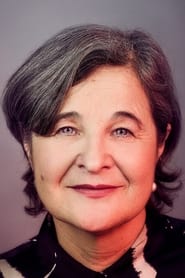
Maria Hofstätter

David Scheid

Natalija Baranova

Lukas Walcher

Claudia Martini
Elias Schützenhofer
Elmar Kurz
Tim Valerian Alberti
Elisabeth Gobbers
Fredi Hader
Crew of The Devil's Bath
Full backstage crew list →- Released on March 08, 2024