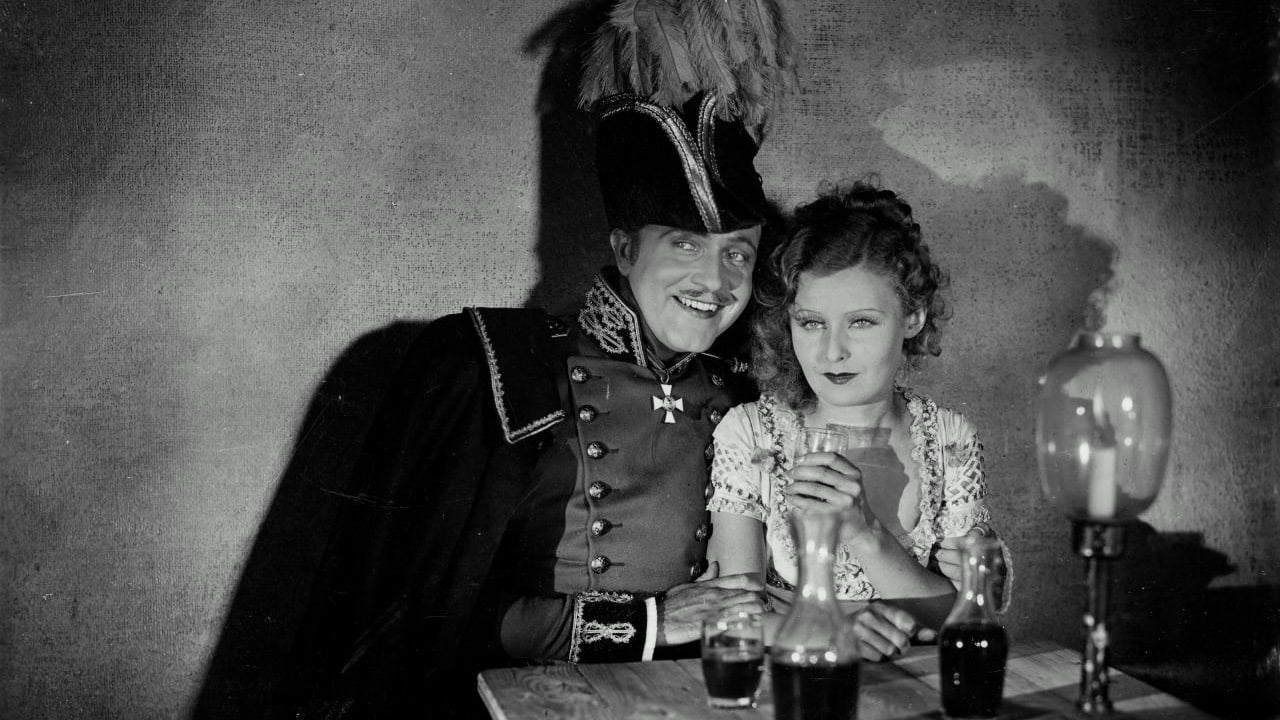
"The Congress Dances" is a 1931 musical comedy set against the backdrop of the 1815 Vienna Congress. The plot follows Christel, a Viennese glove-sales-lady, who unexpectedly falls in love with Russian Czar Alexander. Meanwhile, Austrian Prince Metternich attempts to keep the Czar occupied with charming distractions, including Christel, to prevent him from interfering with the diplomatic negotiations shaping post-Napoleonic Europe.
Beyond its romantic and comedic surface, the film explores themes of political maneuvering, the interplay between personal desires and duty, and the absurdity of high-stakes diplomacy tempered by human folly. Through the character of Christel, it underscores the contrast between common folk and the grandeur of political power, illustrating how personal connections can influence significant historical events, even if only momentarily.
Upon release, "The Congress Dances" was acclaimed for its lavish production, catchy musical numbers, and lighthearted approach to a significant historical moment. It has since become a classic of early European cinema, influencing subsequent musical films and maintaining a place in pop culture as a charming blend of history, romance, and satire.
Crew of The Congress Dances
Full backstage crew list →- Released September 29, 1931