
In the movie 'The Cocoon,' we follow the life of Hazem Ibrahim, portrayed brilliantly by Ahmed Dawood. Hazem finds himself trapped in a mundane existence, filled with monotony and a profound sense of dissatisfaction. His life lacks excitement and vibrancy, leaving him yearning for a more thrilling experience. As he navigates his ordinary days, Hazem begins to escape into vivid daydreams where he envisions himself as the polar opposite of his true self — a wealthy and formidable individual who can wield power and influence with ease. These fantasies offer a tantalizing glimpse into a world of glitz and privilege, liberating him from the constraints of his daily routine.
As Hazem immerses himself deeper into his fantastical visions, the lines between his dreams and reality begin to blur. What initially starts as harmless escapism quickly spirals into a more complex struggle, as Hazem becomes increasingly consumed by the allure of his dream life. He navigates a landscape where wealth equates to freedom, and in these daydreams, he learns that he can act without consequence, often indulging his darker impulses. This transformation raises existential questions about identity and morality, compelling the audience to ponder the cost of such escapism — is it worth sacrificing one's authentic self for a taste of a more glamorous façade?
The film masterfully explores the impact of Hazem's dreams on his relationships and his psyche. As he grapples with his dual existence, the conflict intensifies, creating tension not only within him but also affecting those around him. Hazem's actions, inspired by his darker alter ego, lead to significant consequences that challenge his notions of happiness and fulfillment. The enchanting performance of Hazem Ibrahim, alongside the supporting cast including Mariam El Khosht, brings depth to the narrative, ultimately leaving viewers to reflect on the nature of desire, ambition, and the danger of losing oneself in the pursuit of an unattainable dream.
Full Cast of The Cocoon

Ahmed Dawood

Mariam El Khosht

Ali El-Tayeb
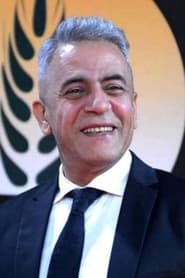
Sabry Fawaz

سارة أبي كنعان

Mohamed Abduo

Yaser Ezzat

Sedky Sakhr
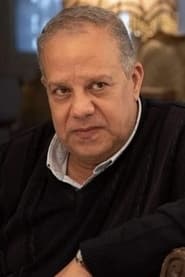
Magdy Al Sebaei

Mohamed El Sadaany

Basel Al Zaro

Fatma Nasser

Ramy Al Tumbary
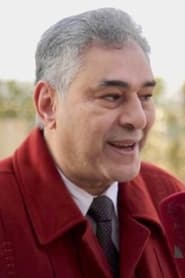
Yasser Ali Maher

Saeed Seddiq
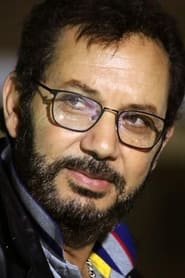
Kamal Abo Raya

Mohamed Khamis
Ayman El-Shewy

ميدو عبدالقادر
Crew of The Cocoon
Full backstage crew list →- Released on February 27, 2025