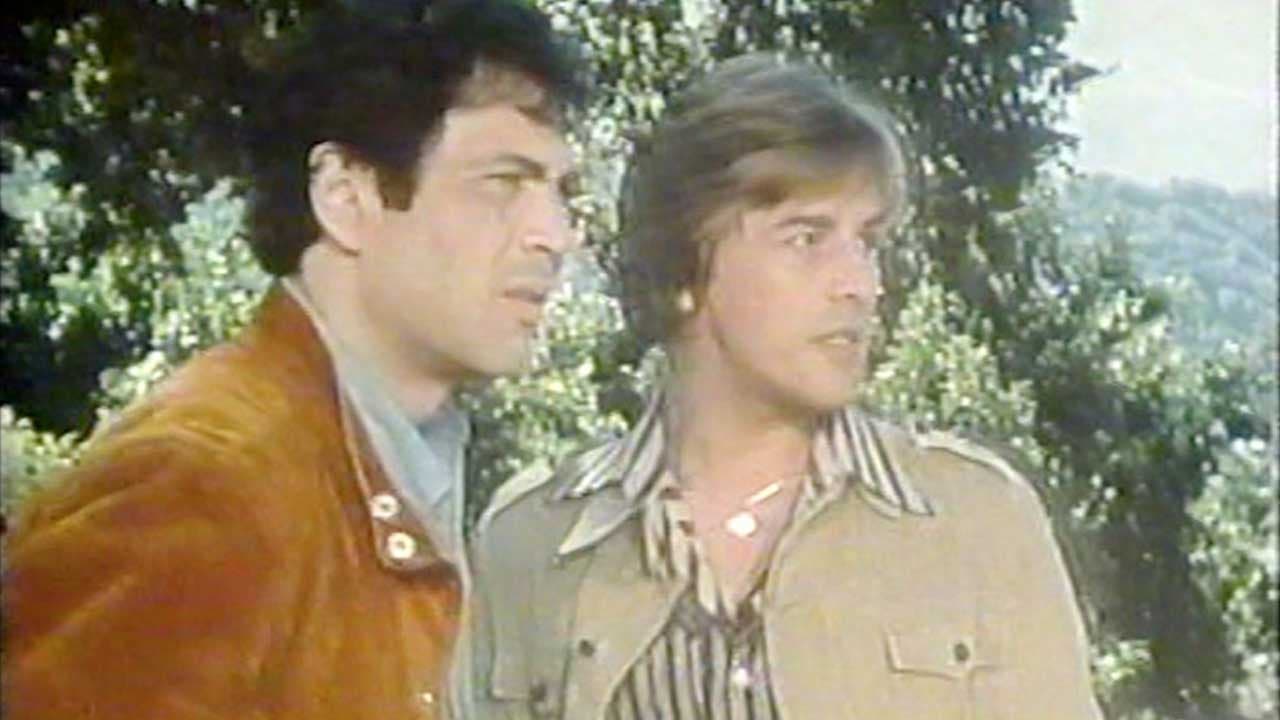
In the gripping thriller "The City," we follow two dedicated detectives, Matt and Scott, as they navigate the underbelly of crime to stop a dangerously obsessed individual. The story unfolds in a vibrant, bustling urban landscape where the line between performer and menace blurs. The duo soon uncovers a chilling motivation behind the would-be killer, Banks, whose life took a dark turn after an incident in his infancy. When country singer Wes Collins unintentionally struck Banks in the face as a baby, it triggered a cascade of events that led to a lifetime of vengeance-fueled psychosis. With each twist, the stakes rise as Banks becomes increasingly erratic, determined to settle a score that most would deem absurd.
As the narrative progresses, Matt and Scott delve deeper into Banks' psyche, revealing layers of trauma that dominate his existence. Flashbacks paint a poignant picture of a young boy shaped by early violence and humiliation, which morphs into a lifetime obsession. Meanwhile, Wes Collins, unaware of the chaos stirring in the shadows, grapples with his own celebrity pressures and the looming threat of a vendetta. Data suggests that revenge may not be the best remedy, but for Banks, it's the only path to reclaim his distorted sense of honor. The tension escalates as our detectives race against time, unraveling clues and racing through the neon-infused streets of the city that seem to pulse with danger at every corner.
The film culminates in a nail-biting showdown where principles are tested, and true identities are revealed. Matt and Scott must decide how far they are willing to go to stop Banks while contemplating the moral complexities of their pursuit. "The City" not only thrills with its edge-of-your-seat action and suspense but also prompts profound reflections on the nature of revenge, the lasting scars of childhood trauma, and the lengths one will go to for redemption. Written by Josh Pasnak, this film transforms a seemingly absurd premise into a deep dive into human psychology, leaving audiences contemplating long after the credits roll.
Main Cast of The City

Robert Forster
Robert Forster delivered a compelling performance as Lt. Matt Lewis in the 1990 neo-noir film "The City," directed by David Riker. As a seasoned homicide detective, Forster brought a level of gravitas and authenticity to the role, embodying the weary wisdom of a man who has seen too much of the dark side of the city he patrols. His portrayal of Lt. Lewis is one of restrained intensity, a character haunted by the cases he can't solve and the victims he can't save. Forster's performance is nuanced, revealing the layers of a detective who is both jaded by the system and deeply committed to justice, even as he navigates the moral ambiguities of his profession. His interactions with the film's protagonist, played by Sean Penn, are particularly noteworthy, as they depict a mentor-mentee relationship fraught with the tension of a changing urban landscape and the evolving nature of crime and punishment. Forster's Lt. Lewis stands as a testament to his range as an actor, capable of conveying the complexities of a man caught between duty and disillusionment.

Don Johnson
In the 1990 television movie "The City," Don Johnson delivered a compelling performance as Sergeant Brian Scott, a tough, street-smart cop assigned to infiltrate a sophisticated drug and prostitution ring in Chicago. Johnson brought his signature charisma and rugged charm to the role, expertly navigating the gritty underbelly of the city with a sense of authenticity that only added to the film's suspenseful narrative. His portrayal was marked by a complex blend of cynicism and vulnerability, showcasing Scott's internal struggle between his duty as a police officer and the allure of the criminal world he is tasked with dismantling. Johnson's on-screen presence was commanding, often highlighted by his intense gaze and sharp dialogue delivery, which captured the essence of a man torn between two worlds. His performance was a testament to his range as an actor, adeptly handling the film's action sequences as well as the more nuanced moments that required a deeper emotional investment, making Sergeant Brian Scott a memorable character in Johnson's extensive body of work.
Secondary Cast of The City


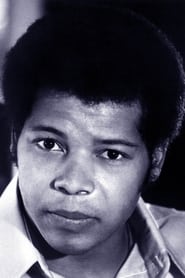
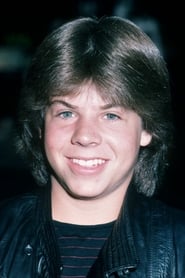

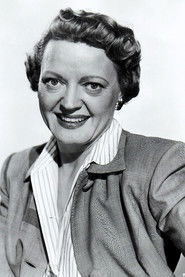
Bert Williams
Crew of The City
Full backstage crew list →- Released on January 12, 1977