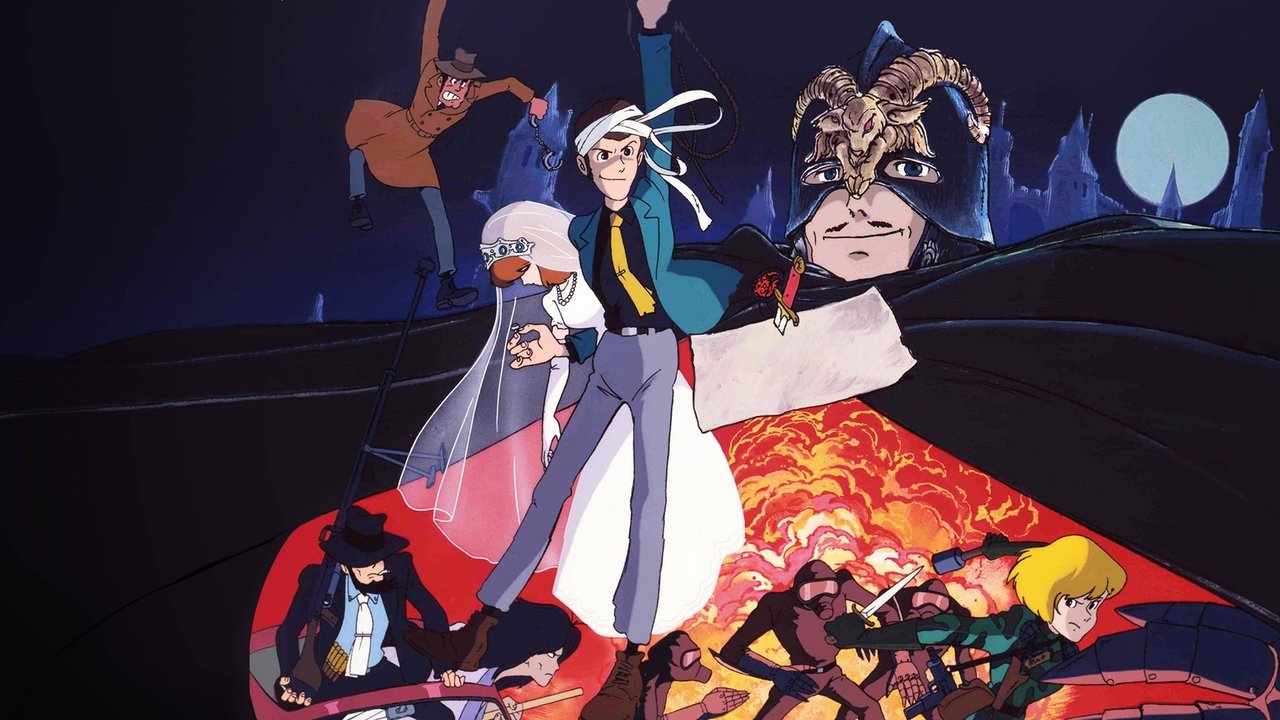
"Lupin the Third: The Castle of Cagliostro" follows the daring escapades of the master thief Lupin the Third and his trusty partner Jigen. After executing a clever heist, they find themselves in possession of a large sum of counterfeit money. Determined to uncover the source of the forgery, Lupin embarks on a mission to the mysterious Castle of Cagliostro. Along the way, he discovers a young princess imprisoned within its walls, setting the stage for a thrilling rescue intertwined with cunning theft.
The film weaves themes of justice, honor among thieves, and the fight against corruption. Despite being a thief, Lupin embodies a moral code, often targeting villains who exploit the innocent. The castle symbolizes the oppressive power structures that Lupin challenges, emphasizing the triumph of wit and bravery over tyranny. Additionally, the narrative explores the classic trope of the "damsel in distress," but with a nuanced portrayal that highlights courage and resilience.
Upon its release, "The Castle of Cagliostro" was hailed as a landmark in animated cinema, showcasing Hayao Miyazaki's visionary direction. Its dynamic storytelling, vibrant animation, and memorable score have cemented its status as a cult classic. The film significantly influenced both anime and Western animation, inspiring numerous creators and contributing to the global appreciation of Japanese animation. Its enduring popularity attests to its impact on pop culture, captivating audiences across generations.
Main Cast of The Castle of Cagliostro

Yasuo Yamada

Kiyoshi Kobayashi
Crew of The Castle of Cagliostro
Full backstage crew list →- Released July 06, 1979