In the gripping tale of 'The Boys,' we meet Walter, a steadfast and principled individual whose world is turned upside down when he receives a diagnosis of lung cancer. Despite leading a life that prioritizes health and wellness, Walter finds himself grappling with a fate that seems unjust. This daunting news not only compels him to confront his own mortality but also forces him to confront the reality of his relationships, particularly with his screenwriting partner, who is known for his chain-smoking habits. Walter recognizes that his partner's smoking is not just a personal choice; it is an addiction that poses a significant risk to their shared aspirations and creativity.
As Walter navigates his battle against cancer, he embarks on a journey of self-reflection and resolution. He takes it upon himself to set his affairs in order, and this leads him to engage with prison inmates, where he finds purpose in teaching them the art of writing. Through these interactions, Walter discovers the healing power of stories and the strength that comes from sharing experiences, both uplifting and heartbreaking. The meaningful connections he forms with these individuals serve as a catalyst for his own growth as he learns to face his fears and challenges with courage and resilience.
Throughout this poignant narrative, Walter also seeks to mend the ties with his estranged son and ex-wife. It becomes crucial for him to communicate honestly and openly with them, as he wishes to leave behind a legacy of love and understanding, rather than bitterness and regret. As he confronts the impending uncertainty of his health, he also strives to inspire his partner to abandon smoking, highlighting the importance of choices and health. 'The Boys' is a powerful exploration of life, relationships, and the indomitable human spirit in the face of adversity, leaving audiences with a profound sense of empathy and reflection.
Main Cast of The Boys

James Woods
James Woods delivered a characteristically intense and compelling performance as Walter Farmer in the 1991 television film "The Boys." Adapted from the play by the same name, the movie tells the story of a group of elderly Jewish friends who meet for a card game. Woods' portrayal of Walter, a temperamental and acerbic man who grapples with his past regrets, is a standout among an ensemble cast that includes such acting heavyweights as John Lithgow and Donald Sutherland. With his sharp-tongued delivery and the ability to convey deep-seated anguish beneath a tough exterior, Woods brings to life the complex nature of Walter's character, a man haunted by lost opportunities, particularly in love, and the burden of his decisions echoing through the years. His performance is marked by a raw intensity and an emotional rawness that underscores the film's exploration of memory, mortality, and the enduring impact of personal history. Woods' portrayal is not only a testament to his range as an actor but also serves as a poignant reminder of the lasting effects of personal choices and the human capacity for redemption and reflection.
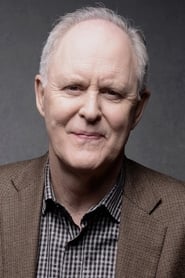
John Lithgow
John Lithgow delivered a compelling performance as Artie Margulies in the 1991 crime drama "The Boys," directed by Glenn Jordan. As Artie, a Jewish mob boss operating in a gritty and unforgiving urban landscape, Lithgow brought a complex intensity to the role, expertly balancing the character's ruthless authority with an unexpected vulnerability. His portrayal was marked by a nuanced understanding of the criminal psyche, showcasing Artie's cunning and intimidating presence, while also hinting at the tragic consequences of a life steeped in violence and crime. Lithgow's performance was a standout in the film, as he navigated the treacherous waters of loyalty, betrayal, and the intricate dynamics of organized crime with a gravitas that both captivated and unsettled. His ability to humanize a character that could have easily slipped into caricature elevated the film and offered audiences a poignant look at the moral ambiguities faced by those entrenched in the underworld.
Secondary Cast of The Boys









Rosanna Huffman
Ron Recasner
Crew of The Boys
Full backstage crew list →- Released on April 15, 1991