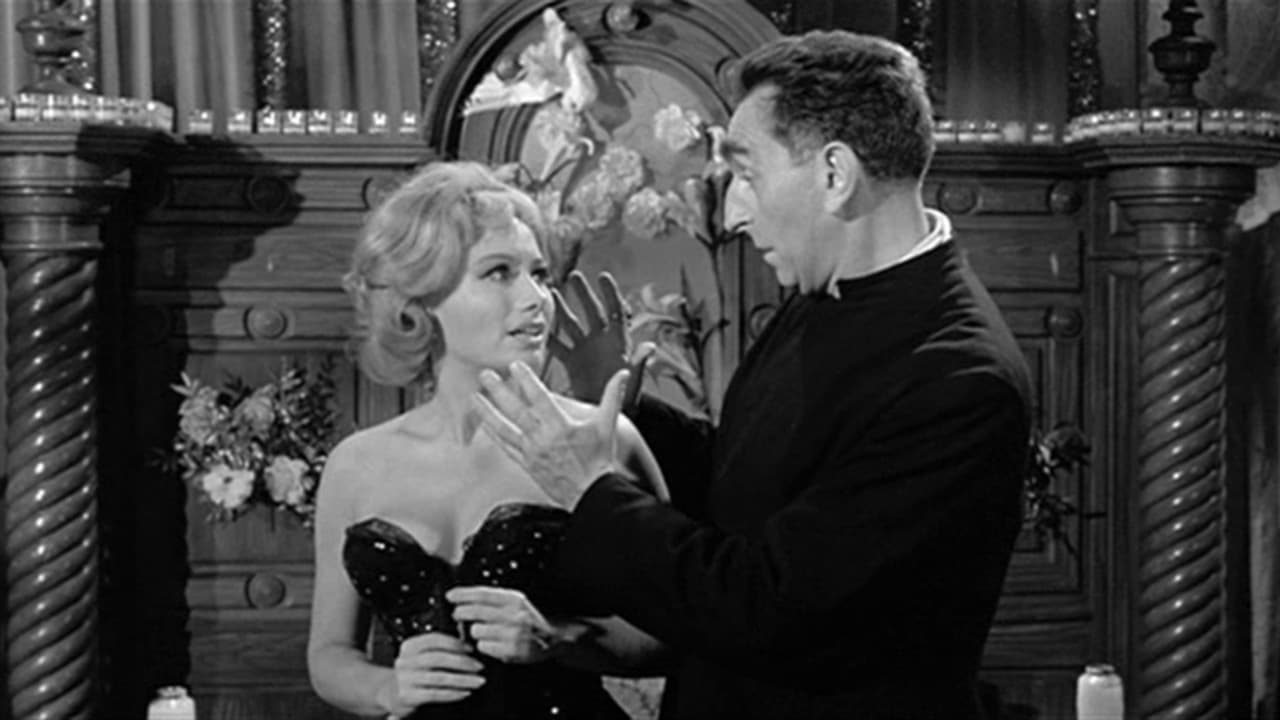
"The Balcony," directed by Joseph Strick, is a provocative drama set against the backdrop of a nation in the throes of revolution. The story unfolds within the confines of a brothel, where the madam orchestrates elaborate role-playing scenarios that fulfill the erotic fantasies of her clients. As chaos brews outside, inside the brothel walls, customers and staff alike grapple with illusions of power, identity, and desire.
At its core, "The Balcony" explores themes of escapism and the fluidity of authority. The brothel serves as a microcosm of society, where traditional roles are both enacted and subverted. The interplay between fantasy and reality raises questions about legitimacy and control, mirroring the turbulent revolution beyond the building's walls. The film delves into how individuals cope with oppression and uncertainty, using illusion as a means of asserting autonomy.
Upon its release, "The Balcony" garnered critical attention for its bold narrative and stylistic choices. While not a mainstream blockbuster, it established a cult following for its daring exploration of sociopolitical themes through the lens of erotic drama. Its preservation by the Academy Film Archive in 2010 signifies its cultural and artistic value. The film continues to influence discussions on the intersection of power, sexuality, and rebellion in cinema and pop culture.
Full Cast of The Balcony

Shelley Winters
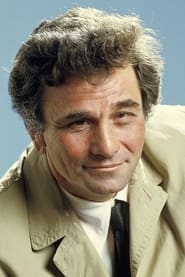
Peter Falk

Lee Grant
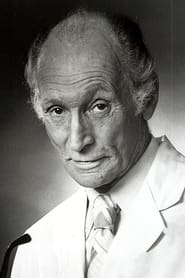
Peter Brocco

Joyce Jameson
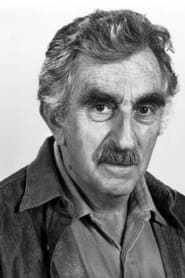
Jeff Corey
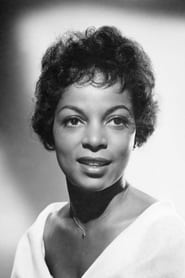
Ruby Dee

Leonard Nimoy
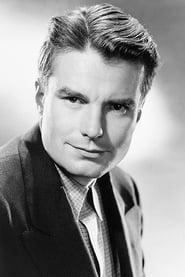
Kent Smith
Arnette Jens
Crew of The Balcony
Full backstage crew list →- Released March 21, 1963