
"Tabu" weaves a captivating narrative set against the vibrant backdrop of 1930s Rio de Janeiro, Brazil. The film presents a fictional yet intriguing encounter between two iconic figures of Brazilian arts: Lamartine Babo, brought to life with charm and charisma by the talented Caetano Veloso, and the revolutionary poet and playwright Oswald de Andrade, portrayed with fervor by Colé Santana. Babo, a celebrated songwriter known for his infectious melodies and lyrics that resonate with the spirit of the Brazilian people, finds himself crossing paths with Oswald de Andrade, whose avant-garde ideas challenge the conventions of the artistic world and society at large. Together, these two characters embody the cultural and political tensions of the era, marked by both tradition and the winds of change.
As the narrative unfolds, the film paints a vivid picture of a city pulsing with creativity and expression. The 1930s in Rio de Janeiro serve as a rich backdrop, where samba rhythms echo through the streets and the arts flourish amidst societal upheaval. Babo's popular songs capture the essence of Brazilian life, while Andrade's radical views push boundaries and provoke thought in a society grappling with its identity. Their interactions are steeped in mutual respect and contrasting ideologies, leading to moments of both collaboration and conflict, ultimately highlighting the complexities of artistic expression during a time of cultural transformation.
In this beautifully crafted tale, the personal and professional lives of Babo and Andrade intertwine, showcasing their influence on one another and the larger cultural landscape of Brazil. Through their fictional meeting, "Tabu" explores themes of innovation, tradition, and the role of the artist in society, inviting viewers to reflect on how the past continues to shape the present. With stunning cinematography and a poignant score, the film transcends mere biography, transforming into a commentary on the enduring power of art in the face of adversity and change.
Full Cast of Tabu

Caetano Veloso
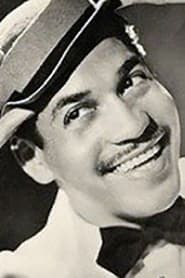
Colé Santana
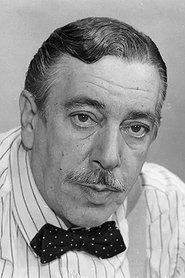
José Lewgoy
Crew of Tabu
Full backstage crew list →- Released on March 10, 1983