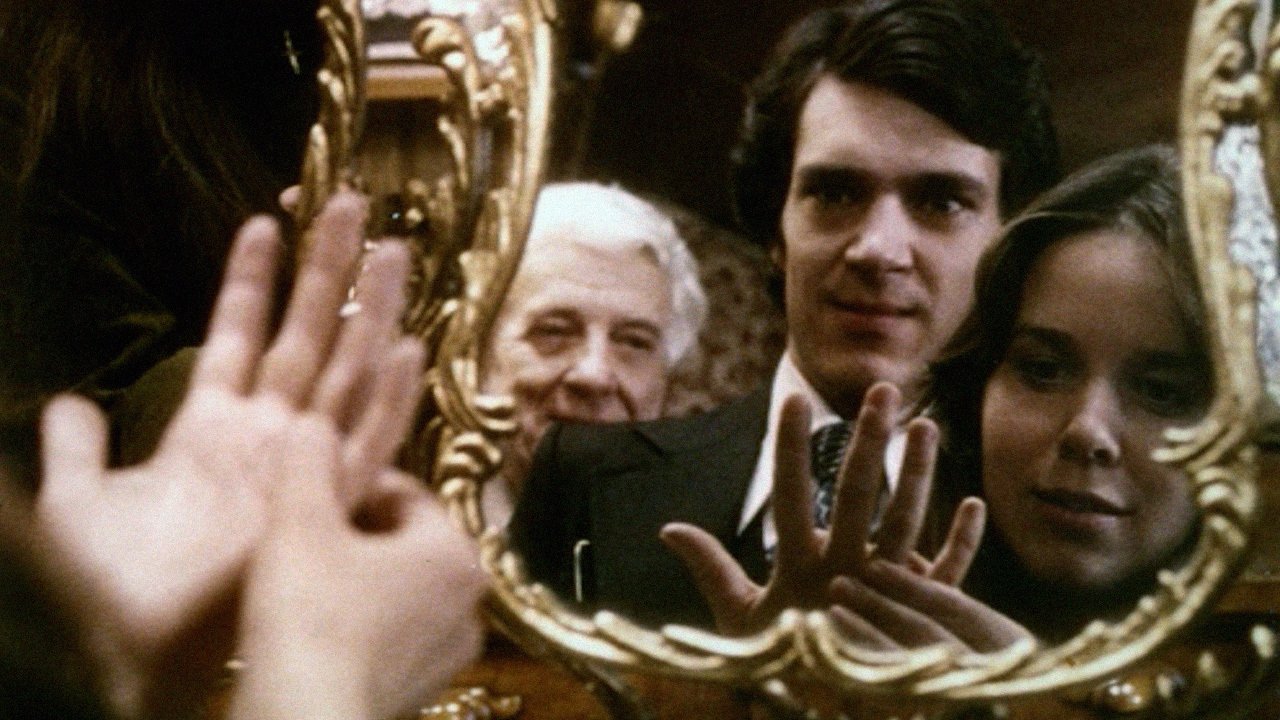
In the thought-provoking film 'Tabu,' viewers are introduced to Kristoffer Lohman, a young solicitor portrayed by the talented Kjell Bergqvist. Kristoffer is not just a legal professional; he serves as a collector of stories and knowledge surrounding various sexual identities and unconventional desires. His passion for understanding the diverse spectrum of human sexuality has not only shaped his career but has also had a profound impact on his own sexual experiences and relationships. Through his exploration, Kristoffer seeks solidarity with those who live on the margins of society and advocates for equal rights for sexual deviants, challenging the norms of a world that often shuns them.
Amidst this intriguing narrative, we also meet Sara, played by Lickå Sjöman, a young woman who embodies the traditional expectations of society. Initially portrayed as well-behaved and adorned, Sara finds herself captivated by Kristoffer's unconventional pursuits. Her attraction to his rebellious nature sparks a deeper interest in the themes he explores. As she becomes more involved in Kristoffer’s world, she begins to question the boundaries of her own existence and the rigid definitions of morality that have governed her life. The film poignantly examines how passion and curiosity can lead to personal transformation, urging viewers to consider what it truly means to be free in a society that often imposes limitations on desires and identities.
'Tabu' is not merely a story about sexual exploration; it is a compelling commentary on society's treatment of those who dare to defy sexual norms. The dynamic between Kristoffer and Sara illustrates the tension between societal conformity and the pursuit of individual identity. As Sara aligns herself more with Kristoffer's cause, their relationship evolves into a powerful symbol of rebellion against oppressive ideologies. Through their journey, the film invites audiences to reflect on the themes of acceptance, solidarity, and the importance of finding one's voice in a world that frequently categorizes and marginalizes.
Main Cast of Tabu

Kjell Bergqvist

Lickå Sjöman

Halvar Björk
Secondary Cast of Tabu












Crew of Tabu
Full backstage crew list →- Released on January 28, 1977