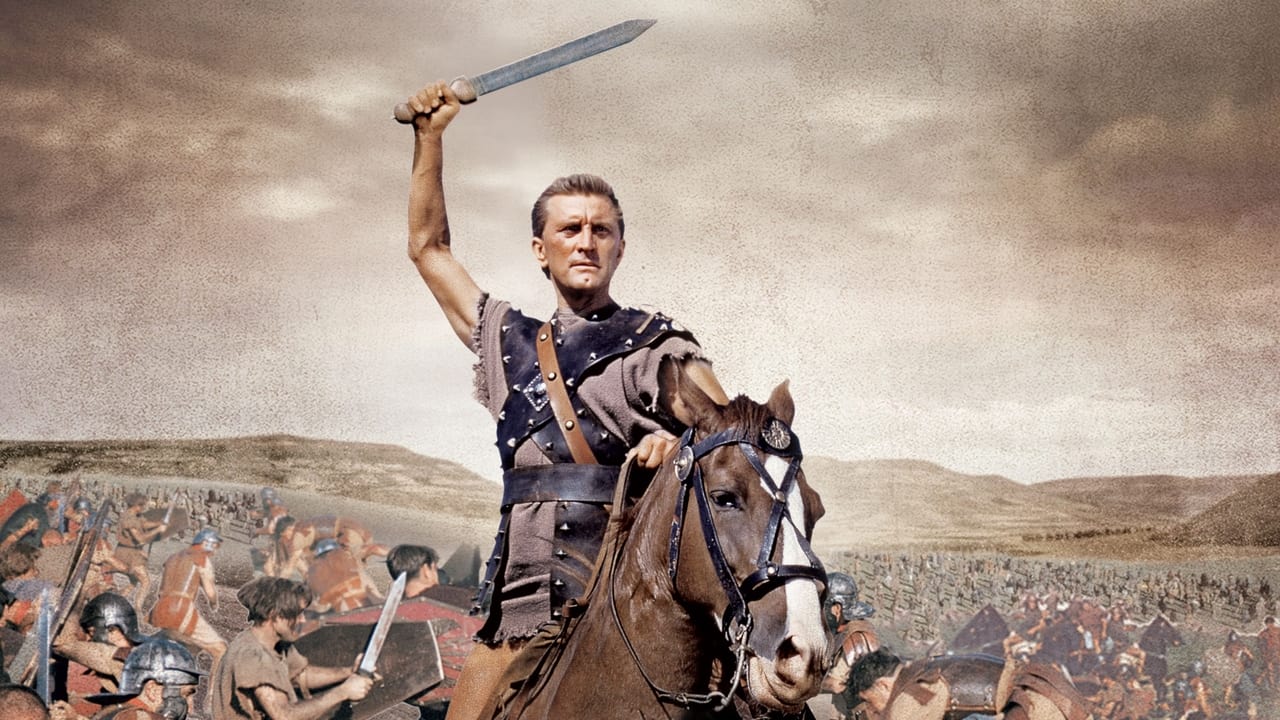
"Spartacus" tells the gripping story of a Thracian slave who, after being sold to a gladiator trainer, rises to lead a formidable slave rebellion against the Roman Republic. Initially trained to fight as a gladiator in brutal arenas, Spartacus turns against his oppressors and becomes the leader of a growing band of escaped slaves. Their journey takes them across Italy as they strive for freedom and attempt to return to their homelands. The film stars Kirk Douglas as Spartacus and Laurence Olivier as Marcus Licinius Crassus, highlighting themes of freedom, resistance, and sacrifice.
Trivia:
1. Kirk Douglas, who played Spartacus, was instrumental in bringing the film to life; he acquired the rights and pushed the project forward at a time when Hollywood was wary of controversial political themes.
2. The film is notable for breaking the Hollywood blacklist by crediting Dalton Trumbo as the screenwriter, who was blacklisted during the McCarthy era but openly acknowledged in this production.
3. Laurence Olivier accepted the role of Crassus as a favor to Kirk Douglas and as a way to work with the director Stanley Kubrick, contributing to the film's critical acclaim and historical depth.
Main Cast of Spartacus

Kirk Douglas
Spartacus
Kirk Douglas's portrayal of the titular character in the epic film "Spartacus" (1960) is widely regarded as one of his most iconic and powerful performances. As Spartacus, a Thracian slave who leads a violent revolt against the Roman Empire, Douglas embodies the role with a magnetic combination of raw physicality and emotional depth. His Spartacus is both a formidable warrior and a charismatic leader, inspiring his fellow slaves to rise up against their oppressors with a stirring blend of fiery passion and moral conviction. Douglas's performance is marked by a commanding presence on screen, as he navigates the complex arc of Spartacus's journey from enslaved gladiator to the face of a rebellion, all while conveying the character's inner turmoil and unwavering resolve. His nuanced portrayal of Spartacus's vulnerability, particularly in his personal relationships and moments of doubt, adds layers to a character that could have easily been reduced to a one-dimensional hero. Douglas's commitment to the role and his ability to convey the essence of Spartacus's humanity and heroism have cemented his performance as a timeless representation of the fight for freedom and justice.
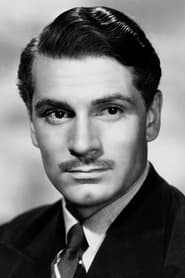
Laurence Olivier
Marcus Licinius Crassus
Laurence Olivier delivered a commanding performance as Marcus Licinius Crassus in the epic historical drama "Spartacus" (1960), directed by Stanley Kubrick. With his imposing presence and sharp diction, Olivier brought to life the shrewd and ambitious Roman general and politician, imbuing the character with a sense of aristocratic sophistication and deep-seated arrogance. His portrayal of Crassus is multifaceted; he is at once a calculating military strategist, a ruthless political operator, and a man of complex desires, as seen in his infamous and much-debated "oysters and snails" scene with Tony Curtis' Antoninus, which subtly alludes to the character's sexual inclinations. Olivier's Crassus is the perfect foil to Kirk Douglas' Spartacus, with their ideological and physical clashes forming the backbone of the film's dramatic tension. Despite being a man of considerable power, Olivier manages to convey an undercurrent of insecurity and vulnerability, particularly in the face of the slave uprising led by Spartacus, which threatens the very fabric of Roman society that Crassus represents. His performance is a testament to Olivier's versatility and depth as an actor, earning him widespread acclaim and cementing his status as one of the greatest actors of the 20th century.
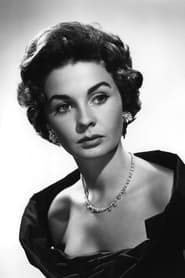
Jean Simmons
Varinia
Jean Simmons delivered a memorable performance as Varinia in the epic historical drama "Spartacus" (1960), directed by Stanley Kubrick. As the love interest of the titular character, Simmons brought depth and warmth to the role of a slave who becomes the companion and moral support to Spartacus, played by Kirk Douglas. Her portrayal of Varinia is marked by a natural grace and a quiet strength; she embodies the character with a mix of vulnerability and resilience, capturing the emotional complexities of a woman caught in the tumultuous times of gladiator revolts and Roman power struggles. Simmons's performance is notable for its subtlety and the chemistry she shares with Douglas, which lends authenticity to their on-screen relationship. Her expressive eyes and nuanced expressions effectively convey Varinia's inner turmoil, hope, and determination, making her a standout character in a film filled with powerful male performances. Jean Simmons's Varinia is not just a love interest but a symbol of enduring spirit and humanity amidst the film's grand spectacle of action and drama.
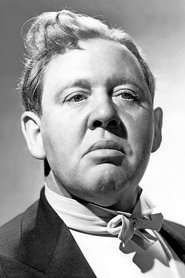
Charles Laughton
Sempronius Gracchus
Charles Laughton delivered a memorable performance as Sempronius Gracchus in the epic historical drama "Spartacus" (1960), directed by Stanley Kubrick. As Gracchus, Laughton brought to life a shrewd and seasoned Roman senator, whose political savvy and cynical pragmatism stood in stark contrast to the film's noble and idealistic titular character. Laughton's portrayal was marked by a commanding presence, imbuing Gracchus with an air of gravitas and world-weariness, while also showcasing his character's adept manipulation of the political machinations of the Senate. His rich voice and expressive face conveyed Gracchus's calculating nature, as well as his underlying humanity, particularly in his poignant interactions with Woody Strode's Draba. Despite being a secondary character, Laughton's Gracchus emerged as a complex figure, whose efforts to maintain the status quo and navigate the treacherous waters of Roman politics highlighted the intricate interplay of power, ambition, and morality within the film's broader narrative. Laughton's nuanced performance added depth to the ensemble cast, ensuring that Sempronius Gracchus remained a compelling and multifaceted character within the sprawling tale of Spartacus's rebellion.
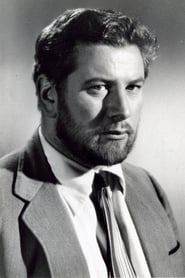
Peter Ustinov
Lentulus Batiatus
Peter Ustinov delivered a memorable performance as Lentulus Batiatus in the epic historical drama "Spartacus" (1960), directed by Stanley Kubrick. As the owner of a gladiatorial school, Ustinov's Batiatus is a complex character, embodying the dualities of cunning and vulnerability. His portrayal is both charming and insidious, as he navigates the treacherous political landscape of ancient Rome with a shrewd business acumen, driven by self-interest and the pursuit of profit. Ustinov's Batiatus is a man of contradictions; he takes a paternalistic interest in his gladiators, particularly in Kirk Douglas's Spartacus, yet he is also capable of ruthless exploitation and betrayal. His performance is marked by a distinctive voice and a commanding screen presence, bringing depth and a touch of humor to the role. Ustinov's nuanced acting, filled with subtle gestures and impeccable timing, not only earned him an Academy Award for Best Supporting Actor but also cemented his character as one of the most intriguing and morally ambiguous figures in the film, contributing significantly to the enduring legacy of "Spartacus."
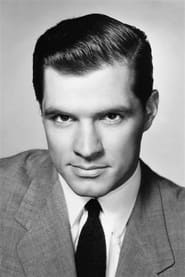
John Gavin
Julius Caesar
John Gavin's portrayal of Julius Caesar in Stanley Kubrick's epic historical drama "Spartacus" (1960) is often remembered for its regal bearing and stoic gravitas. Gavin brings a nuanced complexity to the iconic Roman general and statesman, capturing the essence of a man destined for greatness. His performance is characterized by a commanding presence, as he navigates the political machinations of the Roman Republic with a blend of charisma and shrewd intelligence. Despite being a supporting character in the narrative, Gavin's Caesar exudes an air of authority that subtly foreshadows his future as the emperor of Rome. His interactions with the other characters, particularly his rivals Crassus and Gracchus, highlight his strategic acumen and burgeoning leadership qualities. Gavin's understated yet powerful delivery of his lines, coupled with his striking physical appearance, contribute to a memorable depiction of Caesar, one that stands as a highlight in a film filled with outstanding performances. His turn as Caesar proved to be a defining role in Gavin's career, showcasing his ability to hold his own against the film's heavyweights, including Kirk Douglas and Laurence Olivier, and cementing his place in cinematic history.
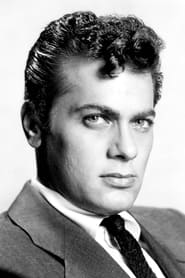
Tony Curtis
Antoninus
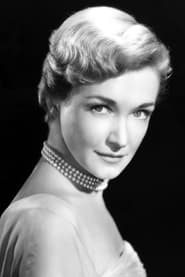
Nina Foch
Helena Glabrus
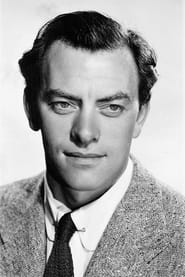
John Ireland
Crixus
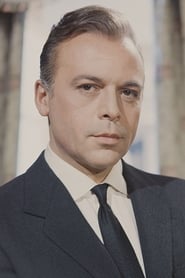
Herbert Lom
Tigranes Levantus
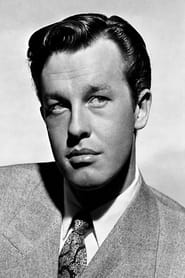
John Dall
Marcus Publius Glabrus
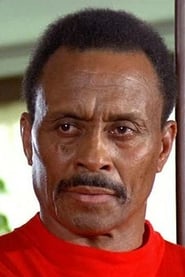
Woody Strode
Draba
Crew of Spartacus
Full backstage crew list →