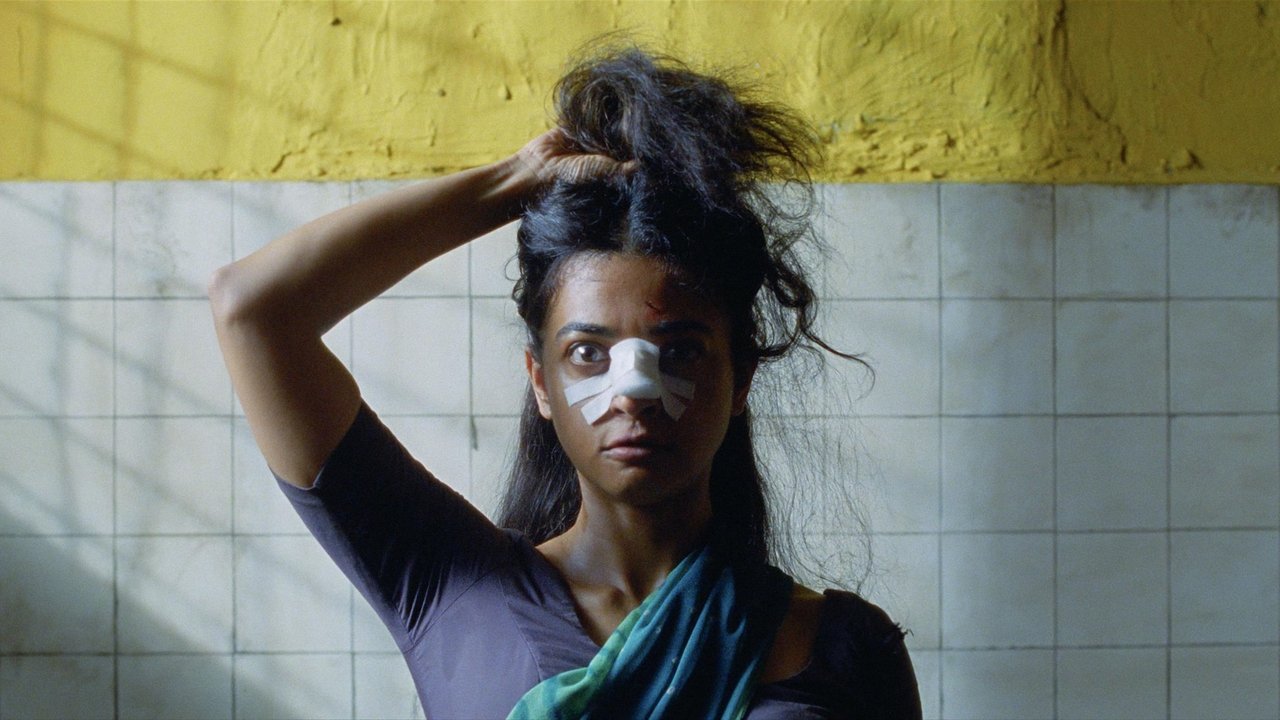
In the bustling metropolis of Mumbai, an arranged marriage sets the stage for an unsettling transformation. Against the backdrop of vibrant city life and cultural expectations, the story unfolds within the confines of a seemingly traditional union. At the heart of this narrative is a husband who, characterized by his lack of assertiveness, finds himself overwhelmed by the tidal wave of change that sweeps through his marriage. As the initial spark of romance fades, he becomes a mere spectator to the evolution of his wife, whose hidden ferocity is awakened within the domestic sphere.
As the film progresses, the audience witnesses a dramatic shift in the dynamics of their relationship. The wife, once perceived as a timid partner molded by societal norms, begins to embrace her true self, revealing a ruthless and feral nature that surprises everyone, including herself. This transformation highlights the tension between individual desire and societal expectations, as her latent power erupts, defying the constraints imposed upon her. The husband's inability to assert himself becomes increasingly pronounced, leading to a psychological battle that challenges the very notion of marital roles and responsibilities.
Ultimately, "Sister Midnight" serves as an exploration of identity, power, and the complex nature of human relationships. As the once-docile wife becomes a formidable force, the film delves into themes of empowerment and resilience—a stark contrast to the husband's retreat into passivity. The dark undercurrents of their marriage mirror broader social issues, inviting viewers to confront the realities of gender dynamics and the struggle for autonomy in a world that often seeks to repress the very spirit of individuality.
Full Cast of Sister Midnight

Radhika Apte

Ashok Pathak

Chhaya Kadam

Smita Tambe

Suhaas Ahuja

Daemian Greaves
Navya Sawant
Dev Raaz
Chaitanya Solankar
Masashi Fujimoto
Crew of Sister Midnight
Full backstage crew list →- Released on May 16, 2025