
"Serpico" follows the true story of Frank Serpico, an honest and idealistic New York City police officer portrayed by Al Pacino, who stands firmly against the pervasive corruption within the police force. Unlike many of his colleagues, Serpico refuses to partake in the common practice of accepting bribes, leading to his isolation and frequent danger from his peers. When his superiors dismiss his claims of widespread corruption, Serpico courageously decides to expose the truth publicly, sparking an official investigation by the Knapp Commission but simultaneously making himself a target for retribution.
At its core, "Serpico" delves into themes of integrity, courage, and the moral complexities faced by individuals confronting systemic wrongdoing. The film highlights the personal costs of standing against entrenched corruption and the loneliness that can accompany such a stance. Moreover, it explores the challenges of navigating a bureaucratic system resistant to change, emphasizing the importance of whistleblowers in initiating reform within flawed institutions.
Upon its release, "Serpico" was met with critical acclaim, particularly praising Al Pacino's compelling performance, which brought depth and nuance to the titular character. The film not only shed light on real-life issues within urban policing but also influenced public discourse around police integrity and accountability. Its impact resonates in popular culture, often cited as a seminal work portraying the struggle of an honest individual against institutional corruption.
Main Cast of Serpico

Al Pacino
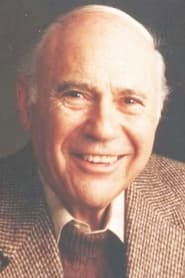
John Randolph

Jack Kehoe
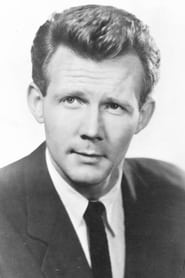
Biff McGuire

Barbara Eda-Young

Cornelia Sharpe
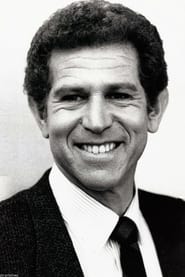
Tony Roberts
Crew of Serpico
Full backstage crew list →- Released December 18, 1973
- Golden Globe Awards (1974)
Winner - Best Actor in a Motion Picture – Drama.