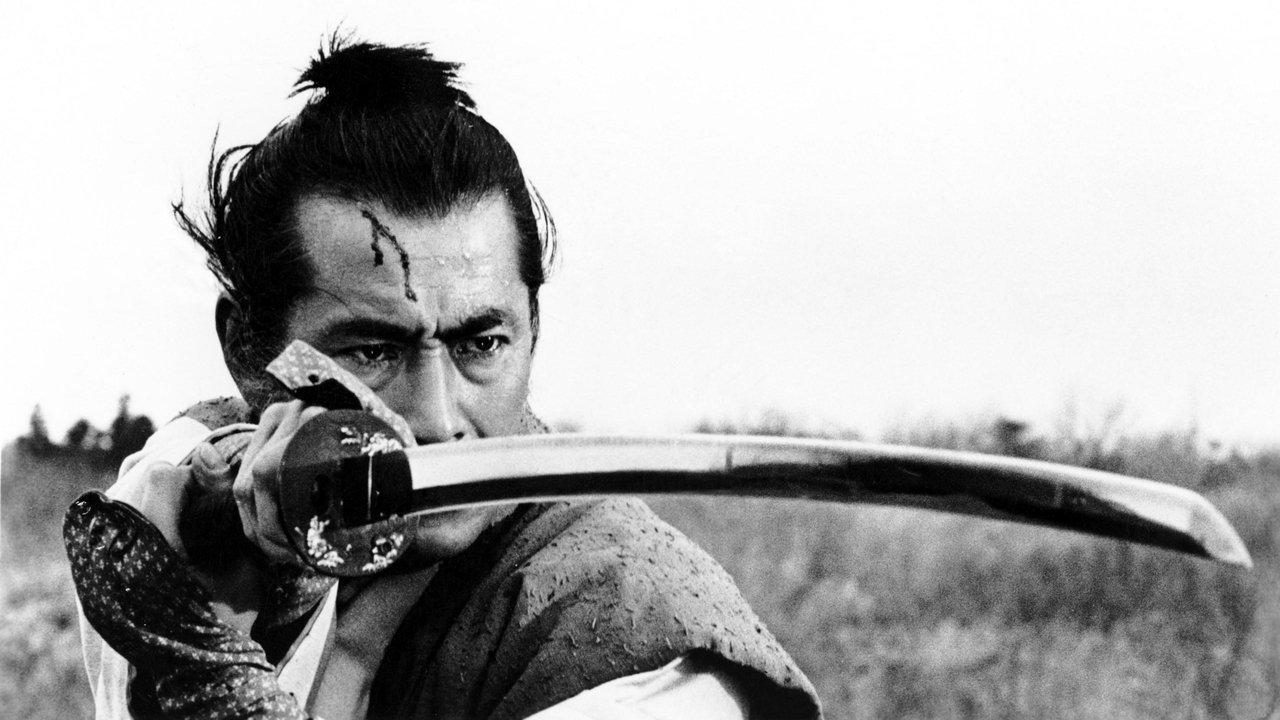
Samurai Rebellion is a compelling period drama set in feudal Japan that revolves around a deeply personal conflict within a samurai family. The story unfolds when the wife of Isaburo Sasahara, the elder samurai, is forcefully taken by their feudal lord to be a concubine, an act that shatters the family's harmony. Faced with the lord's unjust decree, Isaburo, his son, and father must confront their loyalty and honor, deciding whether to comply with oppressive authority or to rebel, risking their lives to reclaim their dignity and justice.
At its core, the film delves into profound themes such as honor, loyalty, and individual resistance against tyranny. It challenges the rigid hierarchies of feudal society and questions the moral complexities of obedience when confronted with cruelty and injustice. The tension between personal values and societal expectations is poignantly portrayed, highlighting the cost of standing up for one's beliefs. Samurai Rebellion is not only a tale of conflict but also a meditation on human dignity and the resilience required to preserve it.
Upon its release, Samurai Rebellion was lauded for its powerful storytelling, nuanced characters, and breathtaking cinematography, solidifying its status as a classic in Japanese cinema. The film has since influenced the portrayal of samurai ethics and rebellion in popular culture, inspiring countless filmmakers and audiences worldwide. Its exploration of timeless themes continues to resonate, making it an enduring masterpiece that transcends cultural boundaries.
Main Cast of Samurai Rebellion
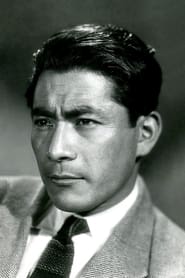
Toshirō Mifune
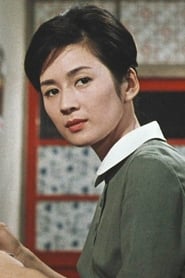
Yōko Tsukasa
Crew of Samurai Rebellion
Full backstage crew list →- Released May 27, 1967