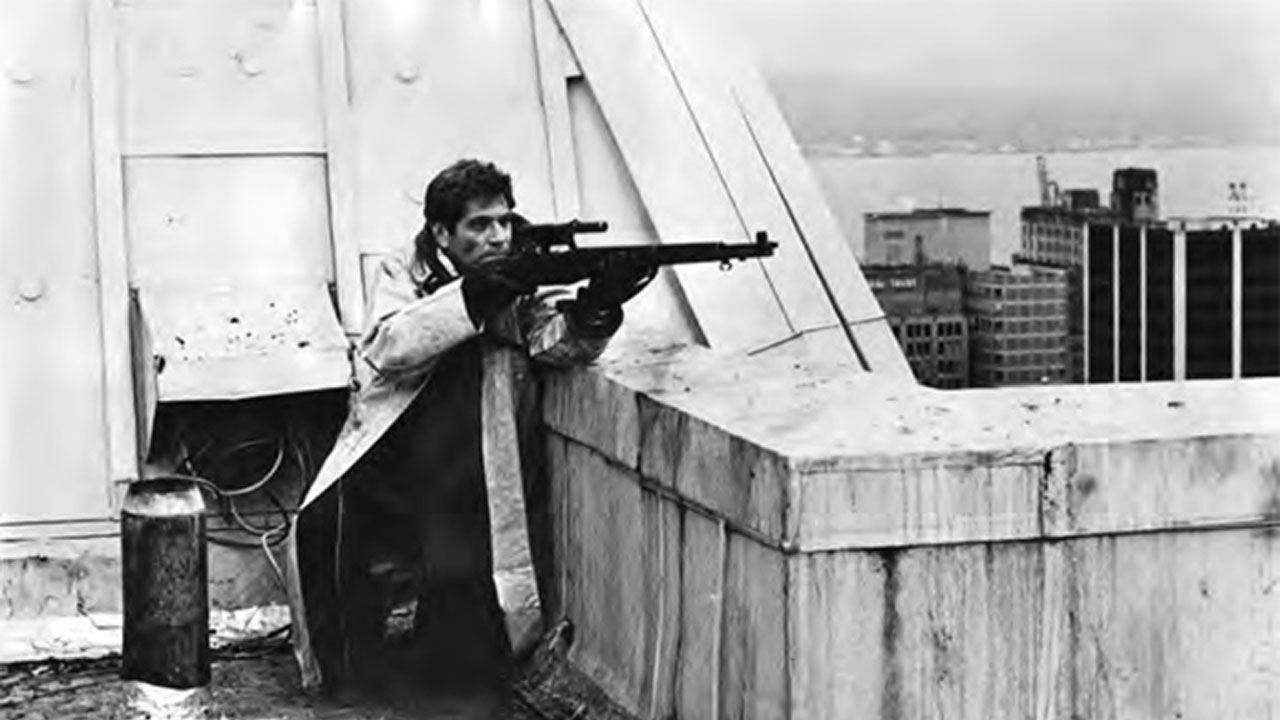
"Russian Roulette" follows an RCMP officer tasked with the covert detention of a Russian immigrant ahead of a significant state visit by the Soviet Premier. The plot thickens when the detainee is mysteriously abducted, thrusting the officer into a web of intrigue involving an assassination plot. This high-stakes thriller deftly weaves political tension with personal risk, creating a gripping narrative that explores trust, loyalty, and the shadowy world of espionage.
The film delves into themes of political paranoia and the moral ambiguities faced by law enforcement agents caught between duty and conscience. It highlights the complexities of international relations during a fraught period, reflecting anxieties about espionage and state secrets. Moreover, the story examines the human cost of political machinations, emphasizing the consequences that unfold when individuals become pawns in larger geopolitical games.
Upon its release, "Russian Roulette" garnered attention for its tense storytelling and intriguing premise, resonating with audiences attuned to Cold War-era dramas. While it may not have achieved blockbuster status, its atmospheric tension and exploration of timely themes have earned it a cult following. The film's influence is noticeable in how subsequent thrillers have approached narratives involving clandestine operations and political deception, cementing its place within the genre's canon.
Main Cast of Russian Roulette
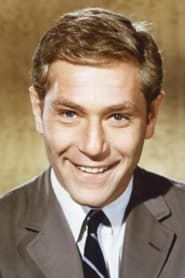
George Segal

Cristina Raines
Crew of Russian Roulette
Full backstage crew list →- Released August 20, 1975