
"Richelieu" centers on a young translator employed by a food processing plant that hires seasonal workers from Guatemala. Initially committed to strictly following the stringent and sometimes excessive instructions of her young supervisor, she gradually becomes empathetic towards the Guatemalan workers. Her growing friendship with them spurs her to challenge the injustices and exploitation they endure at the hands of the management.
The film delves into themes of power dynamics, labor exploitation, and moral awakening. It sheds light on the plight of immigrant workers, emphasizing their vulnerability within corporate structures that prioritize profit over humane treatment. The narrative also highlights the transformative journey of the protagonist as she grapples with her role between management and labor, ultimately choosing solidarity over blind compliance.
Upon its release, "Richelieu" resonated with audiences and critics alike for its poignant portrayal of social issues often overlooked in mainstream media. Its unflinching look at labor exploitation sparked conversations about workers' rights and corporate responsibility, cementing its place in pop culture as a meaningful commentary on contemporary social justice themes.
Full Cast of Richelieu

Ariane Castellanos

Marc-André Grondin

Ève Duranceau
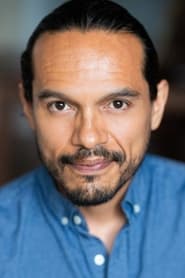
Luis Oliva
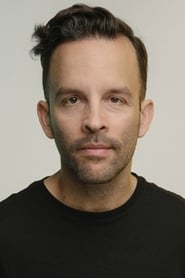
Marc Beaupré
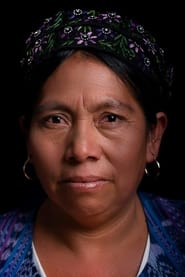
María Telón

María Mercedes Coroy
Nelson Coronado
Crew of Richelieu
Full backstage crew list →- Released September 01, 2023