At the age of 73, the legendary writer and master of wit, Quentin Crisp, made his own unique mark as an Englishman in New York, a title that encapsulates both his literal and metaphorical journey. In the documentary, director Nossiter artfully captures Crisp navigating the vibrant streets of Manhattan, where he exudes a sense of belonging that transcends his outsider status. Dressed in his signature style, complete with eye shadow, Crisp transforms mundane moments into opportunities for reflection and humor. He engages with audiences from a makeshift stage, delivering his trademark observations that blend cleverness with poignant truths about life. Notably, he recalls interactions with John Hurt, who portrayed him in the iconic autobiographical TV movie "The Naked Civil Servant," intertwining personal anecdotes with broader cultural commentary.
The documentary also features insightful reflections from those who knew Crisp intimately, painting a multifaceted portrait of a man who lived openly as a gay individual during times when such a stance was fraught with societal challenges. These testimonials illuminate Crisp's unique blend of flamboyance and vulnerability as they discuss his significant role in the ongoing social struggle for gay rights. His effeminate mannerisms, once the subject of criticism, are instead embraced by many, highlighting the evolution of societal attitudes towards gender expression and sexual identity. Through these perspectives, the film vividly illustrates how Crisp stood as both a figure of resilience and a harbinger of change.
Ultimately, the image that emerges from Nossiter's lens is one of a man defined by his sharp wit, yet also by the suffering that accompanied his identity. Crisp's life story serves as a touching reminder of the complexities inherent in living one's truth in a world often resistant to difference. The documentary leaves audiences with a sense of admiration for Crisp’s audacity and an understanding of the broader implications of his existence—not just as an artist, but as a beacon for the LGBTQ+ community, forever altering the landscape of personal expression and social acceptance.
Main Cast of Resident Alien
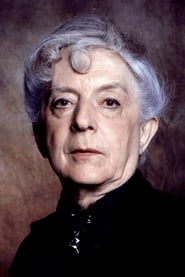
Quentin Crisp
Quentin Crisp's portrayal of himself in the 1990 documentary film "Resident Alien" is a captivating exploration of his life and persona, offering a unique blend of wit, wisdom, and vulnerability. Crisp, known for his flamboyant style and candid insights into society and homosexuality, brings his characteristic charm and piercing commentary to the screen. The film captures Crisp reflecting on his experiences as an Englishman in New York, where he had emigrated in the late 1980s, and provides an intimate look at his daily routines, interactions with friends, and the philosophy that shaped his identity as a writer and raconteur. Crisp's performance, if one can call it that, is a natural extension of his public persona—he is unapologetically himself, delivering acerbic one-liners and poignant observations about life with equal aplomb. His presence in "Resident Alien" is both a celebration of individuality and a poignant meditation on the complexities of being an outsider looking for a place to call home.
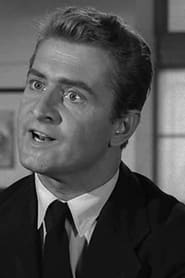
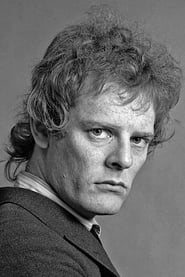
Peter Walker
Peter Walker's portrayal of The Bum in the 1990 science fiction comedy film 'Resident Alien' is a memorable one, offering a quirky and offbeat performance that adds a unique flavor to the movie. As The Bum, Walker delivers a character that is both humorous and pitiful, embodying the archetype of the down-and-out drunk with a surprising amount of depth. His interactions with the alien protagonist, played by Karen Austin, provide some of the film's most comedic moments, as well as a touch of pathos, as The Bum's own loneliness and longing for connection mirrors the alien's struggle to find its place in the world. Walker's performance is notably energetic and unpredictable, making The Bum a standout secondary character that lingers in the memory long after the credits roll. His ability to seamlessly transition from slapstick humor to genuine tenderness underscores the film's underlying theme of finding humanity in unexpected places.
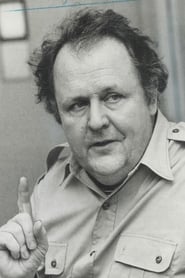
Gilbert Stafford
Gus Rogerson
Secondary Cast of Resident Alien


Michaela Murphy
Felicity Mason
Guy Kettelhack
Richard Seiburth
Hunter Madson
Shi Ringer
Tom Steele
Lenny Dean
Robert Patrick
Penny Arcade
Patrick Angus
Paul Bridgewater
Orshi Drozdick
David McDermott
Peter McGough
Peter McGough
Trey Spiegel
Franco the Great
Vincent Hanlon
Crew of Resident Alien
Full backstage crew list →- Released on September 14, 1990