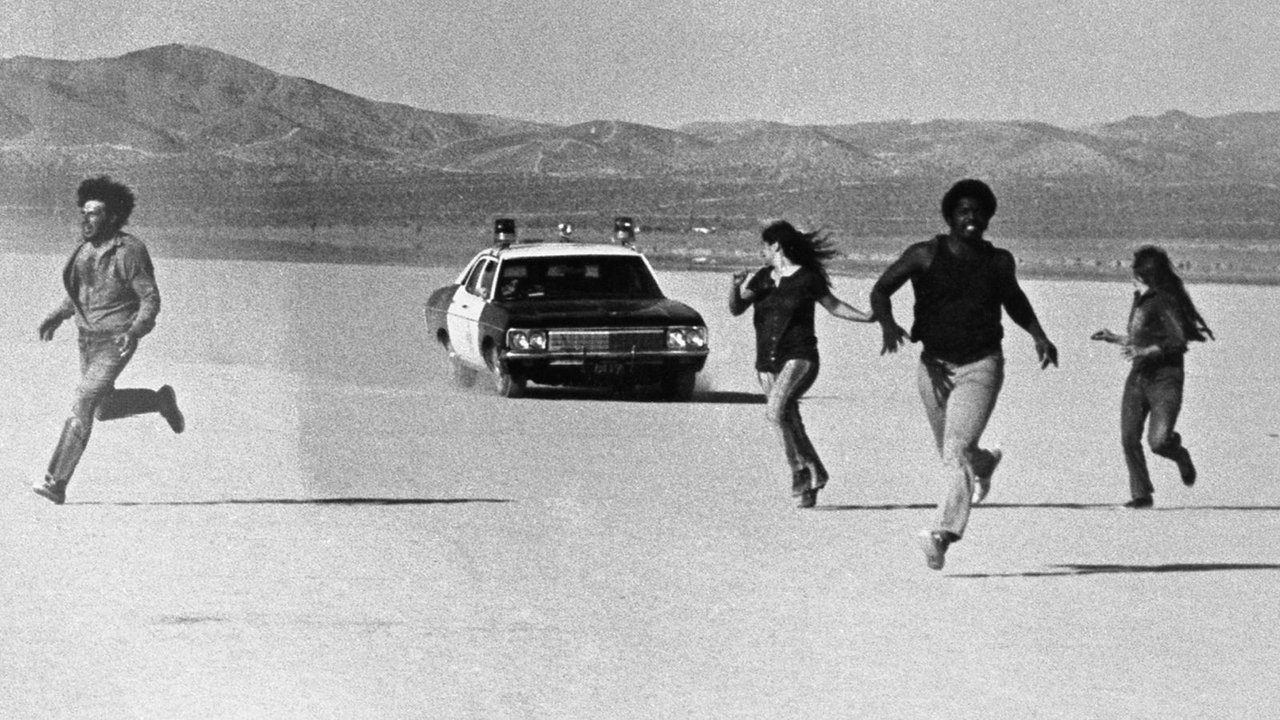
"Punishment Park" is a stark fictional documentary set in an alternate United States where prisons are overcrowded, and the government, under President Nixon, has declared a state of emergency. The film follows antiwar activists and dissidents who are arrested and faced with a grim choice: endure conventional jail sentences or take part in "Punishment Park." The latter is a brutal, three-day ordeal in which participants are hunted in the desert by federal authorities. While choosing Punishment Park might seem like a chance for freedom, the extreme heat and relentless pursuit make survival a daunting challenge.
The film delves deep into themes of authoritarianism, civil liberties, and state power. By juxtaposing the supposed ideals of democracy against oppressive tactics, "Punishment Park" critiques the erosion of individual rights during times of political crisis. It reflects the paranoia and social unrest of the Vietnam War era, highlighting how governments might manipulate fear to justify draconian measures against dissenters. The narrative serves as a potent allegory about the dangers of unchecked governmental control and the suppression of free speech.
Since its release, "Punishment Park" has been celebrated for its raw, documentary-style approach and its unflinching social commentary. Though not a mainstream commercial success, it has garnered a cult following among cinephiles and critics who appreciate its prescient insights and bold storytelling. The film's impact is seen in its influence on later dystopian and political thrillers, cementing its place as a significant work in the canon of politically charged cinema.
Full Cast of Punishment Park
Bruce McGuire
Crew of Punishment Park
Full backstage crew list →- Released October 01, 1971