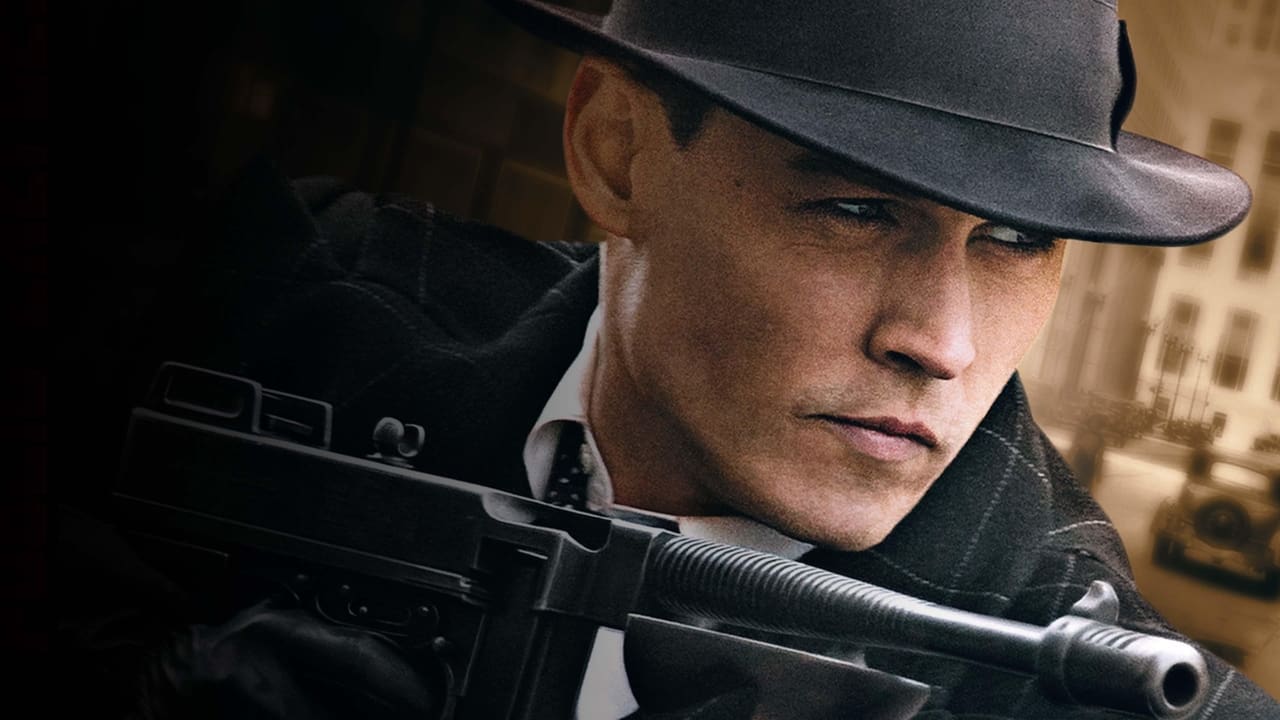
"Public Enemies" is a gripping crime drama set during the turbulent Depression era, centering on the notorious bank robber John Dillinger, portrayed by Johnny Depp. The film chronicles Dillinger's daring escapades and the public’s fascination with his charm and audacity as he becomes a symbol of defiance against economic hardship. Meanwhile, the fledgling FBI, led by J. Edgar Hoover, is determined to capture Dillinger and restore law and order. Hoover designates Dillinger as Public Enemy Number One and assigns Melvin Purvis, played by Christian Bale, to bring the outlaw to justice, setting the stage for a tense cat-and-mouse chase.
At its core, "Public Enemies" explores themes of heroism, morality, and the complex relationship between criminals and society. Dillinger’s persona blurs the lines between villain and folk hero, highlighting how public perception can romanticize rebellion amid social and economic despair. The film also delves into the evolving nature of law enforcement during the era, showcasing the emergence of the FBI and the use of new investigative techniques. Through its portrayal of these historical figures and events, the movie invites reflection on justice, power, and the influence of media on public opinion.
Upon its release, "Public Enemies" garnered attention for its polished direction, strong performances, and historical authenticity. Johnny Depp's portrayal of Dillinger was praised for capturing the charismatic yet dangerous aura of the outlaw, while Christian Bale's depiction of Purvis added depth to the lawman’s relentless pursuit. The film contributed to popular culture by revitalizing interest in the infamous crime wave of the 1930s and reaffirming the enduring allure of true-crime stories. It remains a notable entry in the crime drama genre, reinforcing the mythos surrounding American public enemies and their place in the cultural imagination.
Main Cast of Public Enemies

Johnny Depp

Christian Bale

Marion Cotillard
Jason Clarke
Rory Cochrane
Billy Crudup
Crew of Public Enemies
Full backstage crew list →- Released July 01, 2009