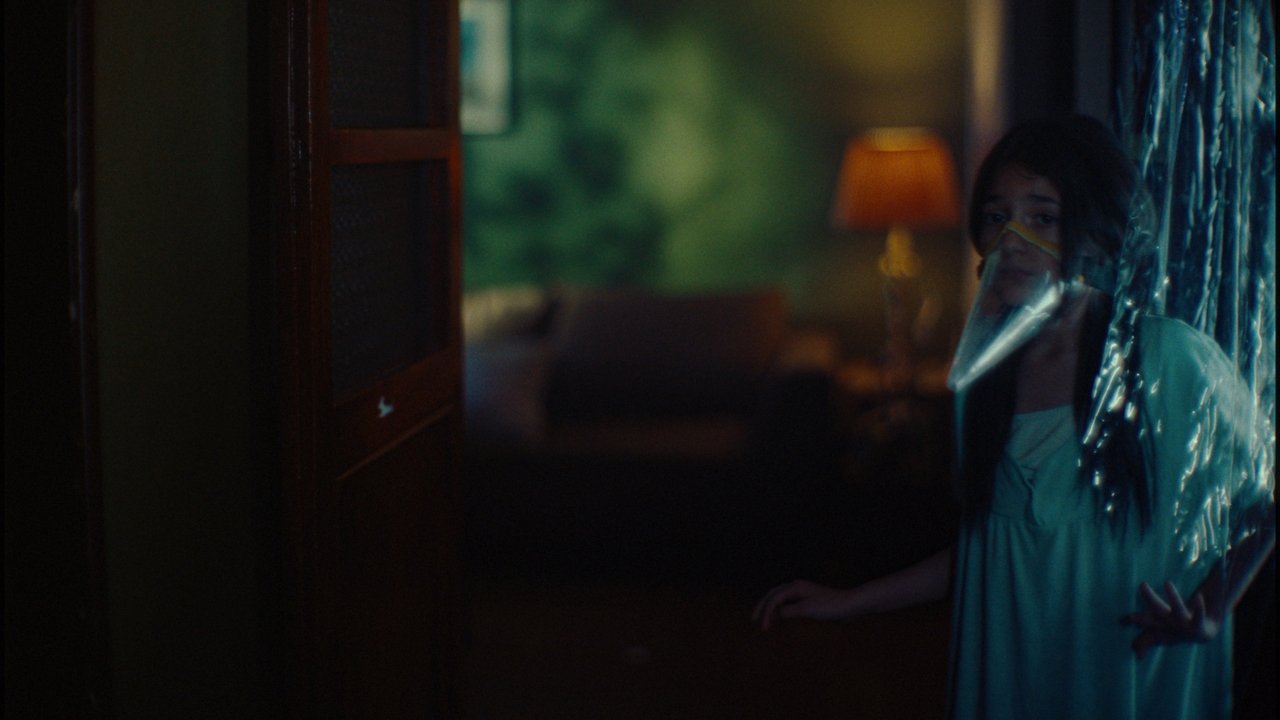
In the haunting film 'Plague Season', a young girl's unsettling experiences unfold in the shadow of her father's absence. With her father away, she finds herself alone in a home filled with anxiety and fear. Her attention is drawn to strange noises emanating from her sick mother's room, sparking a deep sense of foreboding. The weight of the world outside mirrors her internal struggles, as nature and humanity grapple with the repercussions of foreign waste washing ashore, creating an atmosphere thick with dread and uncertainty. This environment of decay becomes the backdrop for her profound desire—to reconnect with her ailing mother, who has become a distant figure fraught with an aura of something sinister.
As the girl navigates her increasingly isolated world, she is driven by a mix of hope and fear, her longing for her mother intensifying with each eerie sound that pierces the quiet of their home. The film artfully juxtaposes her innocent yearning against the backdrop of a world suffering from neglect and ecological catastrophe. The darkness of her mother’s illness not only threatens their familial bond but also acts as a symbol of the larger decay affecting their surroundings. The growing tension forces the girl to confront the reality of what lies behind the door—her mother harbors secrets that are as troubling as the environmental crisis unfolding outside.
Ultimately, 'Plague Season' is a layered narrative that explores themes of vulnerability, the inheritance of trauma, and the impact of external chaos on personal relationships. As the girl grapples with her fears, the film poses a critical question: Is she prepared to face the truth, no matter how frightening it may be? This tension between the familiar and the unknown leads to a poignant climax that not only reveals the fate of her mother but also reflects on the broader implications of human existence in a world plagued by neglect and despair.
Crew of Plague Season
Full backstage crew list →- Released June 26, 2025