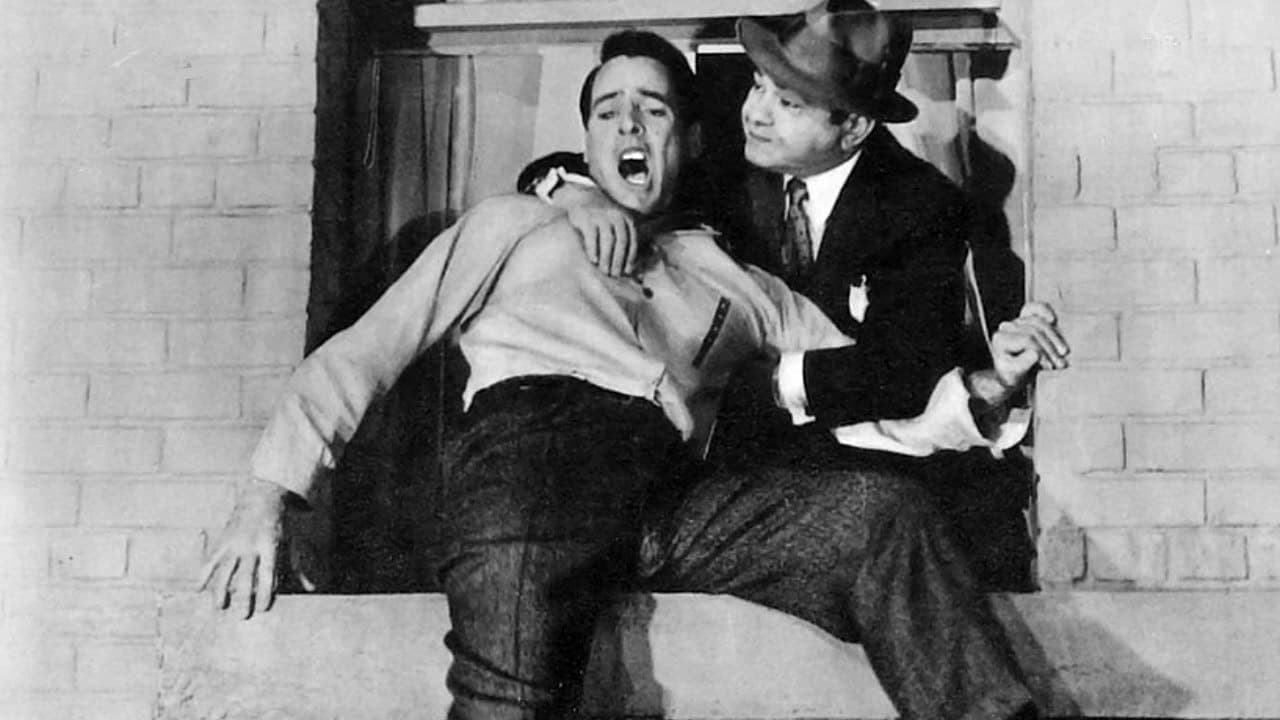
"Nightmare" unfolds the eerie story of Stan, a clarinetist who experiences a chilling nightmare where he murders a man in a room lined with mirrors. Upon awakening, Stan discovers unsettling blood marks on himself and a mysterious key that appeared in the dream, leading him to question the boundaries between reality and his subconscious. This intriguing premise sets the stage for a gripping psychological thriller that blurs the lines of perception.
At its core, "Nightmare" explores themes of guilt, identity, and the elusive nature of reality. The mirrored room not only serves as a haunting visual motif but also symbolizes self-reflection and the fragmentation of the psyche. The film delves into how the subconscious mind can harbor dark secrets, challenging the protagonist—and the audience—to confront the unsettling possibility that dreams might influence or reveal hidden truths. It raises profound questions about accountability and whether actions in dreams hold tangible consequences.
Upon its release, "Nightmare" garnered critical acclaim for its atmospheric tension and thought-provoking narrative. Its innovative use of surreal imagery and tight storytelling has left a lasting mark on the psychological thriller genre. Over time, the film developed a cult following, inspiring discussions among viewers and influencing subsequent works that explore dreamscapes and the human mind’s complexities. "Nightmare" continues to resonate within pop culture as a seminal work that masterfully intertwines suspense with introspective depth.
Full Cast of Nightmare
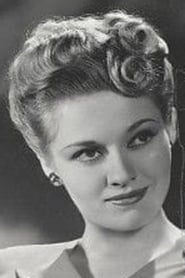
Virginia Christine
- Released August 20, 1956