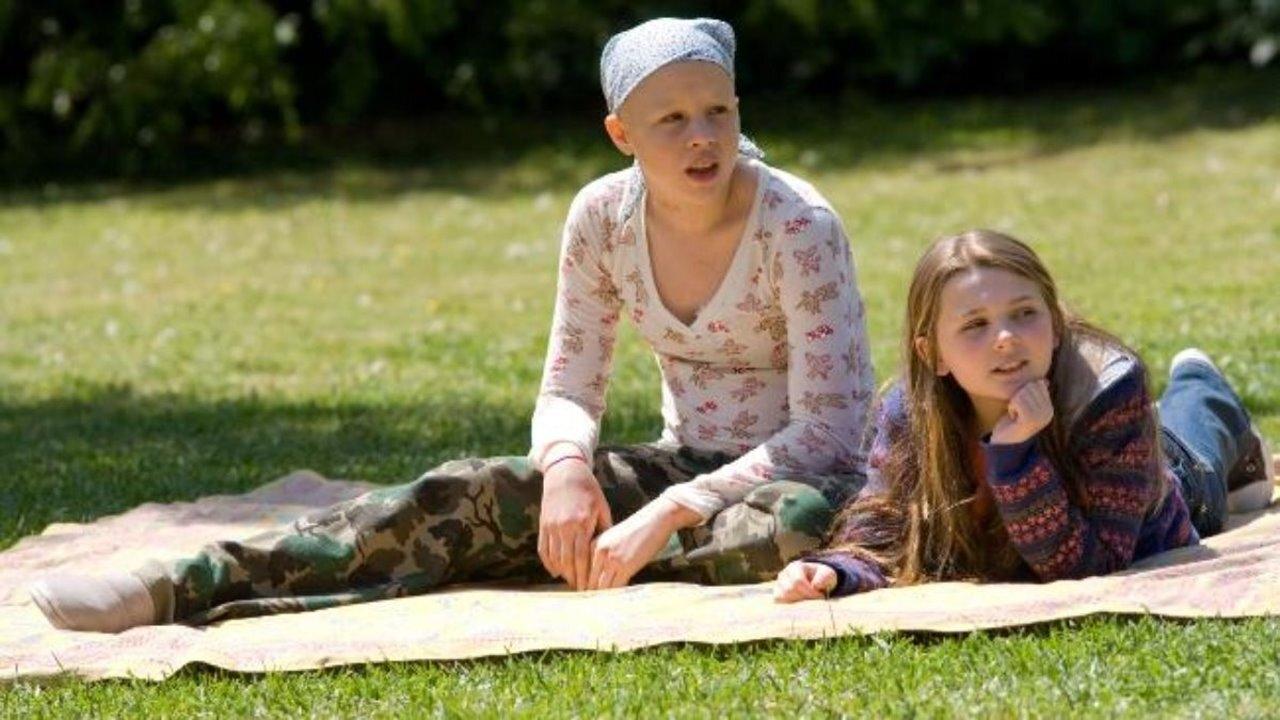
"My Sister's Keeper," based on Jodi Picoult's bestselling novel, tells the heartrending story of the Fitzgerald family. Sara and Brian's seemingly perfect life is shattered when their daughter Kate is diagnosed with leukemia. To save Kate, the parents conceived Anna specifically to be a genetic donor. However, Anna later sues her parents for medical emancipation to gain control over her own body, igniting a tense legal battle that challenges familial bonds and ethical dilemmas.
The film explores profound themes of medical ethics, autonomy, and the complexities of familial love. It questions the extent to which parents can, or should, make decisions affecting their children's bodies for the greater good of another family member. Moreover, it examines moral ambiguity and the emotional toll of serious illness on all family members, illustrating how love can be both nurturing and painfully complicated.
Upon its release, "My Sister's Keeper" received mixed reviews but resonated deeply with audiences facing similar real-life struggles. Its thought-provoking narrative sparked discussions about genetic ethics and patient rights in popular culture. The film has since become a touchstone for portraying the challenges of illness within a family, cementing its place as a poignant and emotionally impactful work in the drama genre.
Full Cast of My Sister's Keeper

Cameron Diaz

Abigail Breslin
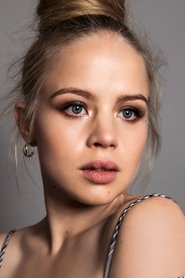
Sofia Vassilieva

Alec Baldwin

Joan Cusack

Emily Deschanel

E. G. Daily
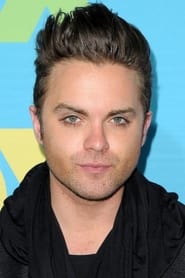
Thomas Dekker
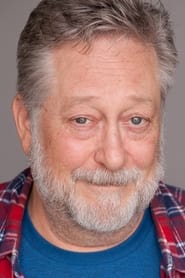
Jeffrey Markle
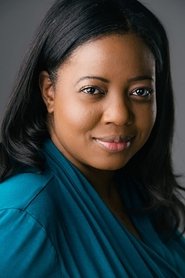
Mimi Fletcher
Crew of My Sister's Keeper
Full backstage crew list →- Released June 26, 2009