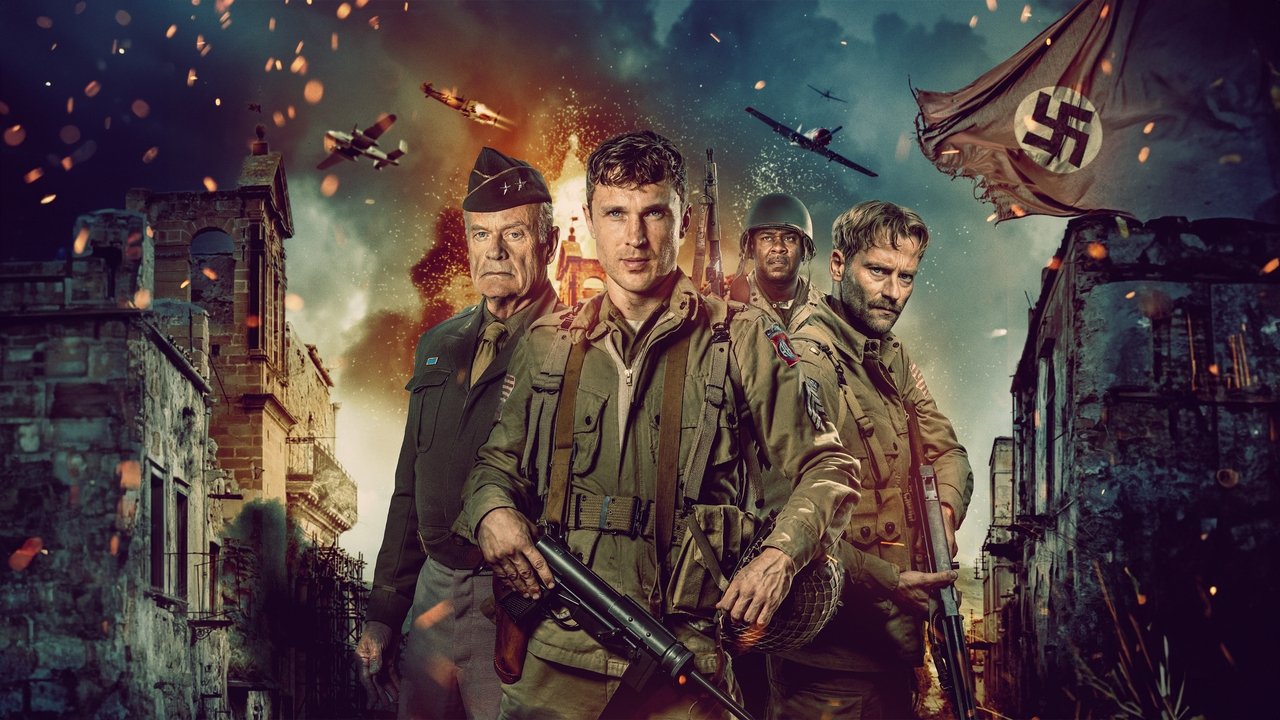
"Murder Company" unfolds during the harrowing days of World War II, centering on a group of US soldiers tasked with a perilous mission amidst the chaos of the D-Day invasion. They must covertly escort a French Resistance operative deep behind enemy lines to eliminate a critical Nazi figure. This tense narrative combines the intensity of war with the suspense of an assassination plot, highlighting the stakes of covert operations that could alter the course of history.
At its core, "Murder Company" explores themes of sacrifice, loyalty, and the moral complexities inherent in wartime decisions. The film delves into the bonds formed between soldiers and resistance fighters united against a common enemy, emphasizing the human element amid political and military turmoil. Additionally, it questions the cost of such missions on individual consciences, raising questions about the price of victory and the nature of heroism in war.
Upon its release, "Murder Company" was praised for its gripping storytelling and authentic portrayal of WWII espionage. It resonated with audiences who appreciated its blend of action and deeper thematic content, earning a place among notable war dramas in popular culture. The film's impact is reflected in its influence on later media depicting resistance movements and clandestine operations, solidifying its status as a compelling portrayal of courage and sacrifice during one of history's most critical moments.
Full Cast of Murder Company

Kelsey Grammer

William Moseley
Joe Anderson
Gilles Marini
Pooch Hall
Crew of Murder Company
Full backstage crew list →- Released July 05, 2024