
In the thrilling narrative of "Morgan: Killer Doll," the intricate dynamics of friendship and unrequited love take center stage. The story unfolds with Astrid and Darcy, two childhood friends whose bond has grown over the years. Darcy, harboring deep romantic feelings for Astrid, believes their friendship could evolve into something more. However, Astrid remains oblivious to Darcy’s affections and instead sees their relationship purely as a strong friendship. This misunderstanding sets the stage for tension that permeates the entire film.
As the plot progresses, the consequences of unspoken feelings begin to unravel, leading to unexpected events that challenge their relationship. Astrid's inability to reciprocate Darcy's feelings becomes a catalyst for conflict, laying bare the vulnerabilities and insecurities that threaten to damage their longtime bond. In this emotional turmoil, both characters must confront their true feelings and the possibility that their friendship may not withstand the strain of unreciprocated love.
The film culminates in a tense exploration of loyalty, jealousy, and the complexities of intimate relationships. As external circumstances spiral out of control, the stakes grow higher. The revelation of Astrid's feelings—or lack thereof—forces both friends to grapple with their identities and what it truly means to love and accept one another. "Morgan: Killer Doll" brilliantly navigates the thin line between friendship and romance while delivering suspense, ultimately posing the question: Can the foundation of friendship survive the storm of unrequited love?
Full Cast of Morgan: Killer Doll
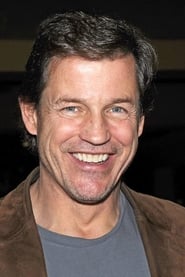
Michael Paré

Kayla Fields

Bix Krieger

Kylie Roseanne
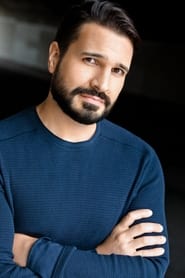
Adam Slemon
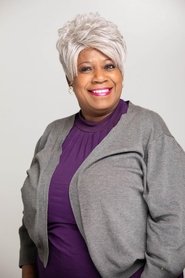
Rhonda Bankston
Shelby Wright
Sara Kamine
Theo Rosenfeld
Scott Mazzapica
Colin Kane
Crew of Morgan: Killer Doll
Full backstage crew list →- Released on June 13, 2025