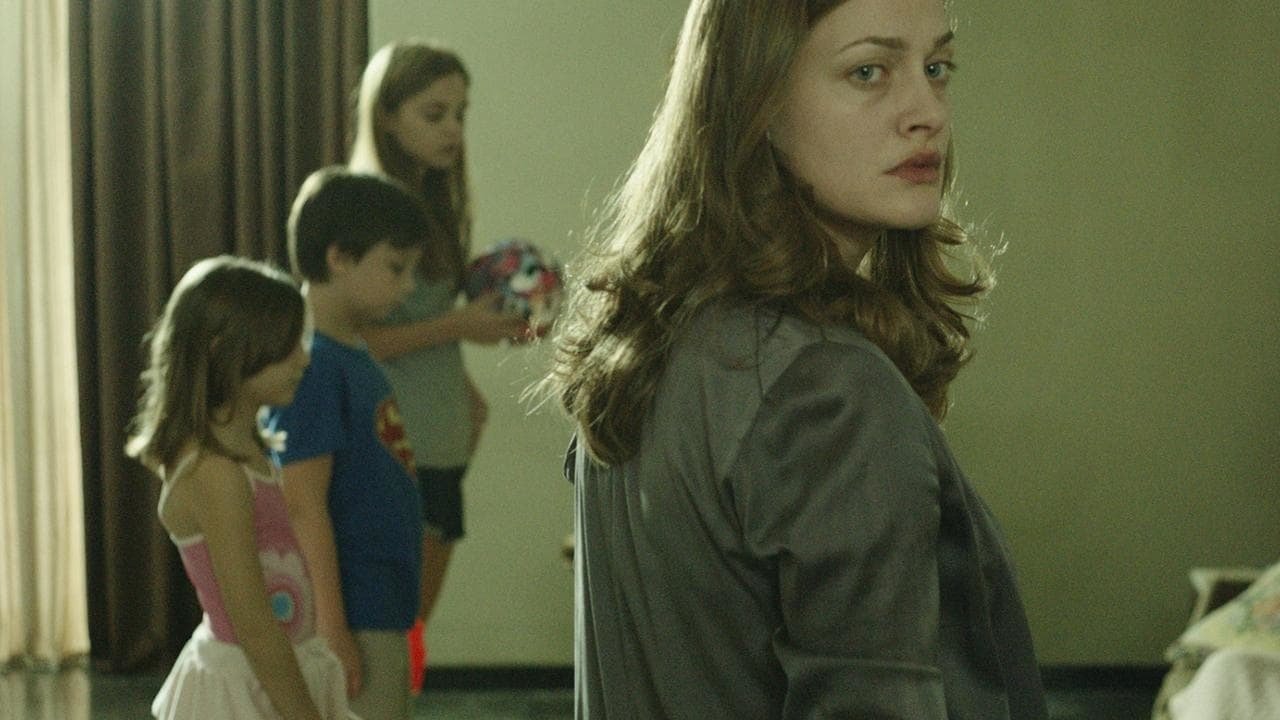
"Miss Violence" opens with the haunting scene of eleven-year-old Angeliki's death, who on her birthday, inexplicably leaps from a balcony, smiling as she falls. The police and social services embark on an inquiry to unravel the circumstances behind her apparent suicide, but her family adamantly insists it was an accident. As the investigation deepens, unsettling secrets about the family's dark dynamics come to light, revealing the reasons Angeliki might have taken with her to the grave.
At its core, "Miss Violence" is a profound exploration of domestic abuse, silence, and the destructive power of denial within families. The film confronts the audience with uncomfortable truths about how trauma can be concealed behind facades of normalcy, especially when social and cultural pressures compel victims and witnesses to remain silent. The family's refusal to confront or acknowledge the truth serves as a commentary on the devastating consequences of repression and the societal failure to protect the vulnerable.
Upon release, "Miss Violence" was met with critical acclaim for its unflinching portrayal of taboo subjects and its masterful storytelling. It sparked widespread discussions about family violence and the importance of recognizing and addressing abuse within private spheres. The film's impact extends beyond cinema, contributing to broader dialogues on social awareness and the necessity for transparency in confronting painful realities hidden behind closed doors.
Full Cast of Miss Violence

Themis Panou

Reni Pittaki

Eleni Roussinou

Sissy Toumasi

Kostas Antalopoulos

Chloe Bolota

Martha Bouziouri

Rafika Chawishe

Kalliopi Zontanou

Maria Skoula
Constantinos Athanasiades
Crew of Miss Violence
Full backstage crew list →- Released September 09, 2013