
Máncora is a contemplative drama that tells the story of Santiago, a young man grieving the recent suicide of his father. Overwhelmed by inner turmoil and a deep-seated resentment towards the world, Santiago escapes the urban chaos of Lima in search of solace on the sun-drenched beaches of Máncora in northern Peru, a place where the summer seems eternal. This journey becomes both a physical and emotional retreat, as Santiago confronts his pain while navigating the vibrant yet transient life of the coastal town.
The film explores profound themes such as grief, alienation, and the quest for healing. Máncora delves into the psychological struggles that accompany loss, emphasizing the tension between internal despair and the external beauty of life. It also critiques the sometimes suffocating environments of urban life, suggesting that isolation in a seemingly idyllic setting can both challenge and facilitate personal growth. Through Santiago's journey, the narrative underscores the importance of confronting one's demons and the possibility of finding moments of peace amidst chaos.
Upon its release, Máncora was embraced by critics for its atmospheric storytelling and nuanced performances. While it did not achieve mainstream blockbuster status, the film resonated strongly within art-house circuits and among audiences drawn to introspective cinema. Its portrayal of mental health and emotional resilience contributed to ongoing conversations in Peruvian cinema and broader Latin American cultural contexts, securing its place as a poignant work that reflects the complexities of human experience against the backdrop of Peru's diverse landscapes.
Full Cast of Máncora
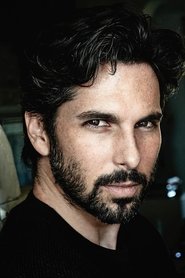
Jason Day

Elsa Pataky
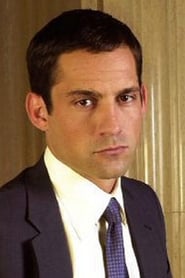
Enrique Murciano

Phellipe Haagensen

Liz Gallardo

Anahí de Cárdenas
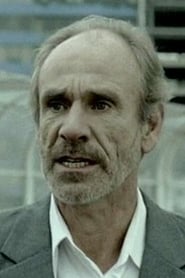
Ramsay Ross

Carolina Cano
Andres Arellano
Lucia Ojeda
Angelita Velásquez
Crew of Máncora
Full backstage crew list →- Released March 20, 2009