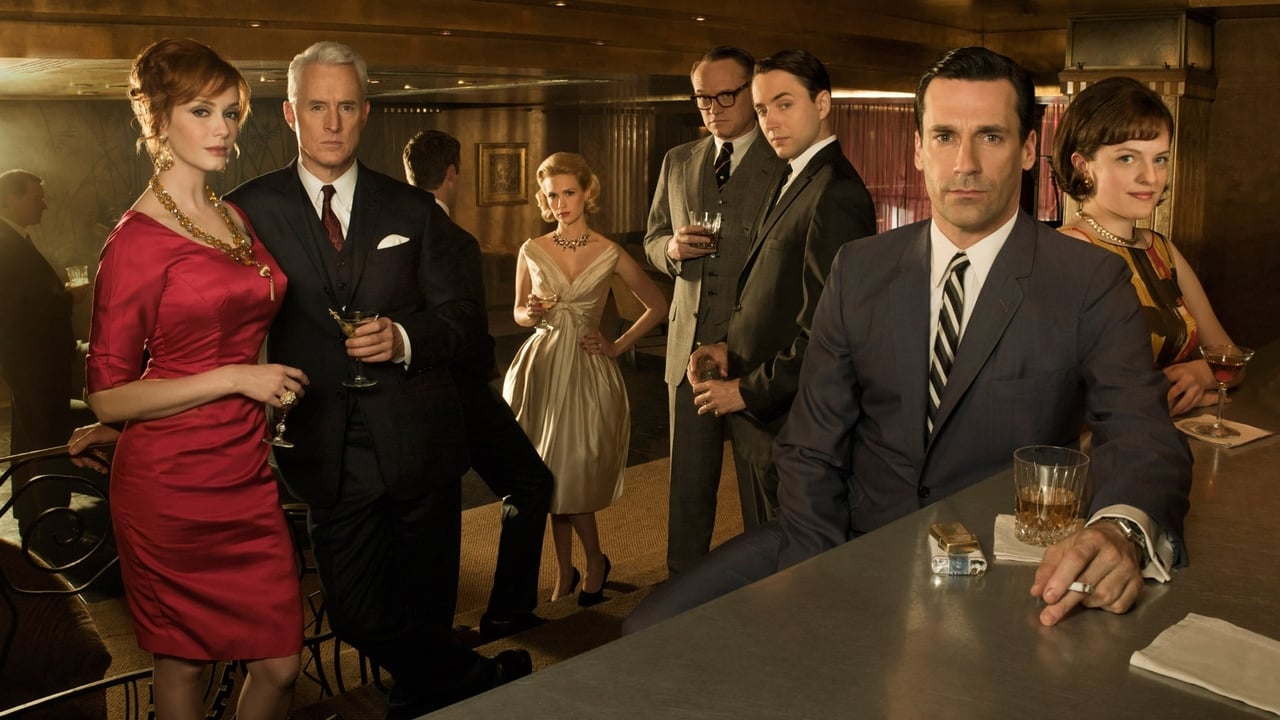
'Mad Men' is a captivating period drama that is set in the dynamic era of 1960s to 1970s New York City. This series is renowned for its stylish visuals, provocative narratives, and a cast of characters that are as complex as they are compelling. At the heart of this narrative are the men and women of Madison Avenue's advertising industry, a realm where competition is fierce and success is the only acceptable outcome.
The series is headlined by Jon Hamm, who delivers a legendary performance as Don Draper. Draper is a man of many faces - a charismatic advertising executive, a mysterious war veteran, and a man wrestling with his own identity. His character is a testament to the show's ability to humanize even the most enigmatic figures. Alongside Hamm is Elisabeth Moss, who portrays Peggy Olson, a secretary who rises through the ranks to become a formidable copywriter. Olson's journey is a reflection of the changing societal roles and expectations of women during this time, making her character a pivotal part of the series.
'Mad Men' is more than just a show about advertising; it's a character study that explores themes of identity, gender roles, and the American Dream. Its meticulous attention to period detail, coupled with its profound exploration of human complexity, has solidified its place as one of the finest dramas in television history. The show's ability to balance its examination of the era's social changes with its character-driven plots is truly a testament to its brilliance. Whether you're a fan of period dramas or just appreciate excellent storytelling, 'Mad Men' is a must-watch.
Jon Hamm's portrayal of Don Draper in the television series "Mad Men" is a masterclass in subtlety and complexity, earning him widespread critical acclaim and contributing to the show's cultural impact. As the enigmatic and brooding advertising executive at the heart of the 1960s-set drama, Hamm brings a magnetic presence to the screen, expertly navigating Draper's dualities—his charisma and his emptiness, his creativity and his self-destruction. Hamm's performance is defined by his ability to convey the character's inner turmoil with the slightest change in expression, often saying more with a pause or a glance than many actors could with a monologue. His embodiment of Don Draper, with all his flaws and aspirations, not only anchors the series but also redefines the antihero archetype in television, leaving an indelible mark on the golden age of television drama.
Elisabeth Moss's portrayal of Peggy Olson in the television series "Mad Men" is a masterclass in character development and nuanced acting. From the series' inception, Moss captures Peggy's transformation from a naive, shy secretary to a confident, assertive copywriter, reflecting the evolving gender dynamics of the 1960s. Moss imbues Peggy with a quiet strength and determination, seamlessly navigating her character's complex journey of self-discovery, professional growth, and personal struggles. Her performance is marked by a delicate balance of vulnerability and resilience, as Peggy confronts the challenges of a male-dominated industry, grapples with her personal life, and carves out her own identity. Moss's ability to convey Peggy's internal conflicts with subtlety and authenticity has been widely praised, earning her critical acclaim and numerous awards nominations. Her portrayal not only anchors Peggy as a cornerstone character within the critically-acclaimed series but also solidifies her as one of television's most iconic and inspirational figures, resonating with audiences for her embodiment of the era's shifting social tides and the universal quest for recognition and fulfillment.
Vincent Kartheiser's portrayal of Pete Campbell on AMC's "Mad Men" is a masterclass in character development and nuanced acting. As the ambitious and often conflicted advertising executive at the Sterling Cooper agency, Kartheiser brings a complex mixture of arrogance, insecurity, and vulnerability to the role. His performance captures the essence of a man striving for success and respect in a world that seems to keep him at arm's length. Pete's journey from a junior account executive to a more seasoned, if not embittered, partner is marked by Kartheiser's ability to convey the character's internal struggles with his own sense of identity, masculinity, and the changing social tides of the 1960s. Kartheiser's Pete is both infuriating and empathetic, as he navigates the treacherous waters of office politics, personal relationships, and the quest for self-fulfillment, making him one of the most compelling characters in the critically acclaimed series.
January Jones's portrayal of Betty Draper in the television series "Mad Men" is a captivating embodiment of the complexities of a 1960s housewife. Jones brings a nuanced depth to the character, expertly navigating Betty's transformation from a picture-perfect suburban mother to a woman grappling with her own identity and dissatisfaction. Her performance is characterized by an understated elegance and a simmering intensity that captures the audience's empathy, even as Betty's decisions sometimes seem enigmatic or harsh. Jones imbues Betty with a fragile strength, beautifully illustrating the character's internal struggle between the societal expectations of her era and her own unfulfilled desires. Her ability to convey Betty's emotional journey—from moments of quiet despair to bursts of rebellion—with subtle facial expressions and a poised demeanor, solidifies her as a standout performer in the critically acclaimed series.
Christina Hendricks delivers a tour de force performance as Joan Holloway in the critically acclaimed television series "Mad Men." As the office manager turned partner at the Sterling Cooper ad agency, Hendricks imbues Joan with a commanding presence, leveraging her sharp wit, confidence, and sheer determination to navigate the sexist landscape of 1960s America. Her portrayal is a complex tapestry of strength and vulnerability, showcasing Joan's resilience as she confronts the era's rigid gender roles and personal challenges. Hendricks' nuanced performance captures the essence of a woman who is both a product of her time and an embodiment of quiet revolution, making Joan one of the most iconic and multifaceted characters on television. With her fiery red hair, piercing gaze, and an unforgettable hourglass figure, Hendricks' Joan is not just a symbol of feminine allure but a beacon of empowerment, leaving an indelible mark on the series and earning Hendricks widespread recognition, including six Emmy nominations for Outstanding Supporting Actress in a Drama Series.
Michael Gladis's portrayal of Paul Kinsey in AMC's "Mad Men" is a standout performance that captures the complexity of a character caught in the shifting tides of the 1960s advertising world. Gladis imbues Kinsey with a blend of arrogance and insecurity, a combination that makes his character both compelling and relatable. As a creative copywriter at the Sterling Cooper agency, Kinsey is often seen grappling with his sense of identity, masculinity, and the evolving cultural landscape. Gladis skillfully navigates Kinsey's journey from a somewhat pompous and entitled member of the old guard to a man humbled by personal and professional setbacks. His performance is nuanced, offering viewers moments of both frustration and empathy as Kinsey attempts to assert his relevance amidst the changing times. Gladis's ability to convey Kinsey's internal struggles with sincerity and depth adds layers to the ensemble drama, making his character's arc one of the more poignant and memorable narratives within the series.