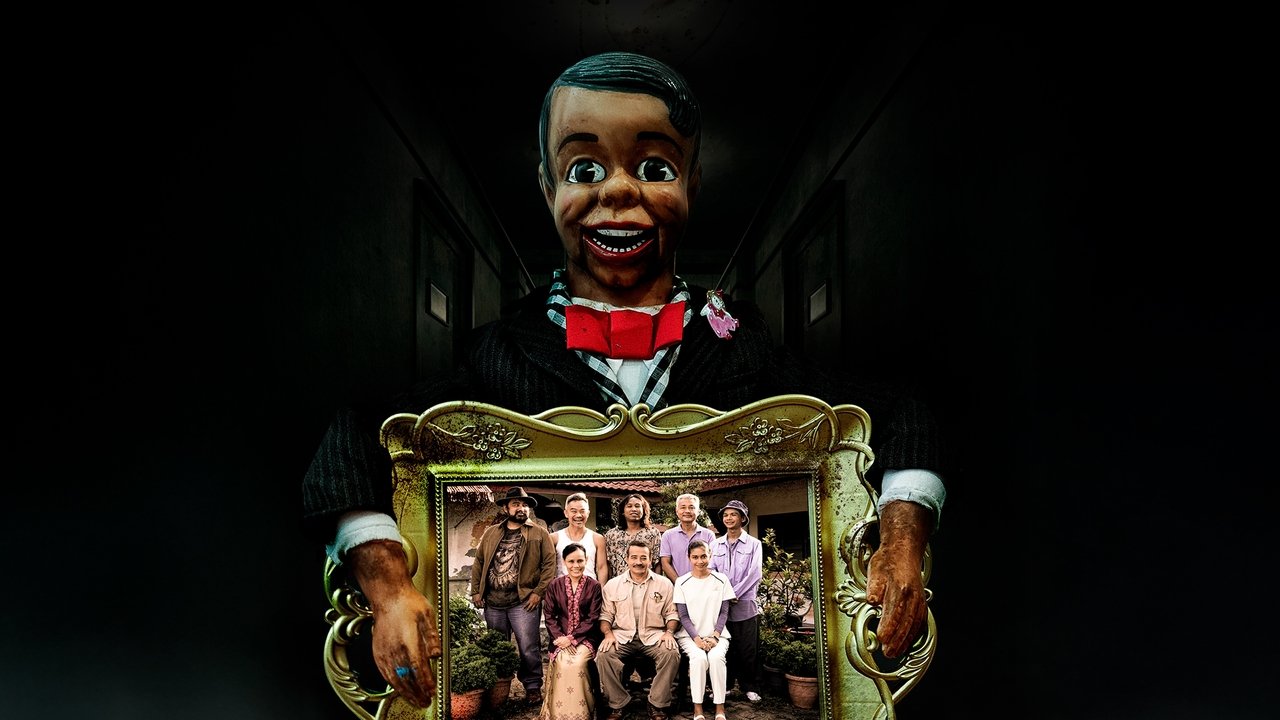
Lubuk unfurls the story of Titi and Dirwan, who, three decades ago, revitalized a derelict mansion into a sanctuary for the homeless and destitute in a quaint town. Their altruism quickly earned the admiration of the community, with Dirwan's dedication to providing free, top-notch care becoming a beacon of hope. However, beneath the welcoming veneer lies a chilling secret: the shelter serves as a facade for a sinister enterprise that has been operating unchecked for nearly twenty years. The remote location, compounded by poor connectivity, ensures that victims drawn in by the mansion's charm remain isolated and vulnerable.
The series delves deeply into themes of deception and moral duplicity, highlighting how appearances can mask profound darkness. Lubuk explores society's marginalization of the homeless, using the shelter as a metaphor for misplaced trust and the exploitation of society's most vulnerable. It challenges viewers to question the thin line between good intentions and malevolent actions, propelling discussions on how communities handle poverty and desperation.
Since its release, Lubuk has garnered critical acclaim for its gripping narrative and complex characters, sparking widespread discourse on social issues presented within its plot. The show’s blend of suspense and social commentary has influenced pop culture by inspiring a wave of similar thrillers that tackle controversial themes under compelling storytelling. Its impact is evident in both popular media and ongoing conversations about ethical responsibility towards marginalized groups.
Crew of Lubuk
Full backstage crew list →- Released July 18, 2024