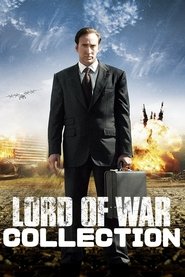
"Lord of War" follows the story of Yuri Orlov, portrayed by Nicolas Cage, a charismatic and cunning arms dealer who navigates the treacherous world of international weapons trafficking. From the most volatile war zones to bustling city streets, Yuri operates in the shadows, supplying arms to dictators, rebels, and mercenaries alike. Throughout his journey, he continually evades capture by a determined Interpol agent, while managing rival criminals and intricate business dealings, including an intriguing subplot involving a Ukrainian mobster played by David Shumbris. As Yuri's empire grows, he is forced to confront the moral consequences of his trade and the devastating impact it has on global conflict and human lives.
The film delves deep into themes such as the morality of war profiteering, the complexity of global arms trade, and the blurred lines between right and wrong in a world driven by greed and power. It challenges viewers to consider the human cost behind the seemingly impersonal transactions of weapons sales and questions the efficacy of international law enforcement in curbing illegal arms dealings. Moreover, "Lord of War" exposes the complicity of governments and powerful entities in perpetuating violence, making it a commentary on the often hidden mechanisms that fuel global conflicts.
Upon its release, "Lord of War" received critical acclaim for its sharp script, gripping narrative, and Nicolas Cage's compelling performance. The film resonated with audiences and critics alike, sparking conversations about the ethical dimensions of the arms industry. Its impact on pop culture is evident in how it brought attention to the often-overlooked aspects of war economics and inspired subsequent media to explore similar themes with nuance and depth. Over time, it has become a relevant cultural touchstone for discussions on arms trafficking and international crime.
Full Cast of Lord of War

Bridget Moynahan

Sammi Rotibi

Eamonn Walker

Nicolas Cage

Jeremy Crutchley

David Shumbris
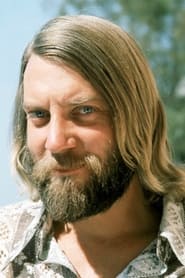
Donald Sutherland
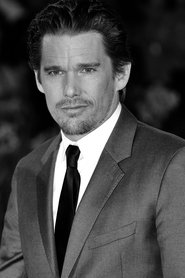
Ethan Hawke
Crew of Lord of War
Full backstage crew list →- Released September 16, 2005
- Part of Lord of War Collection