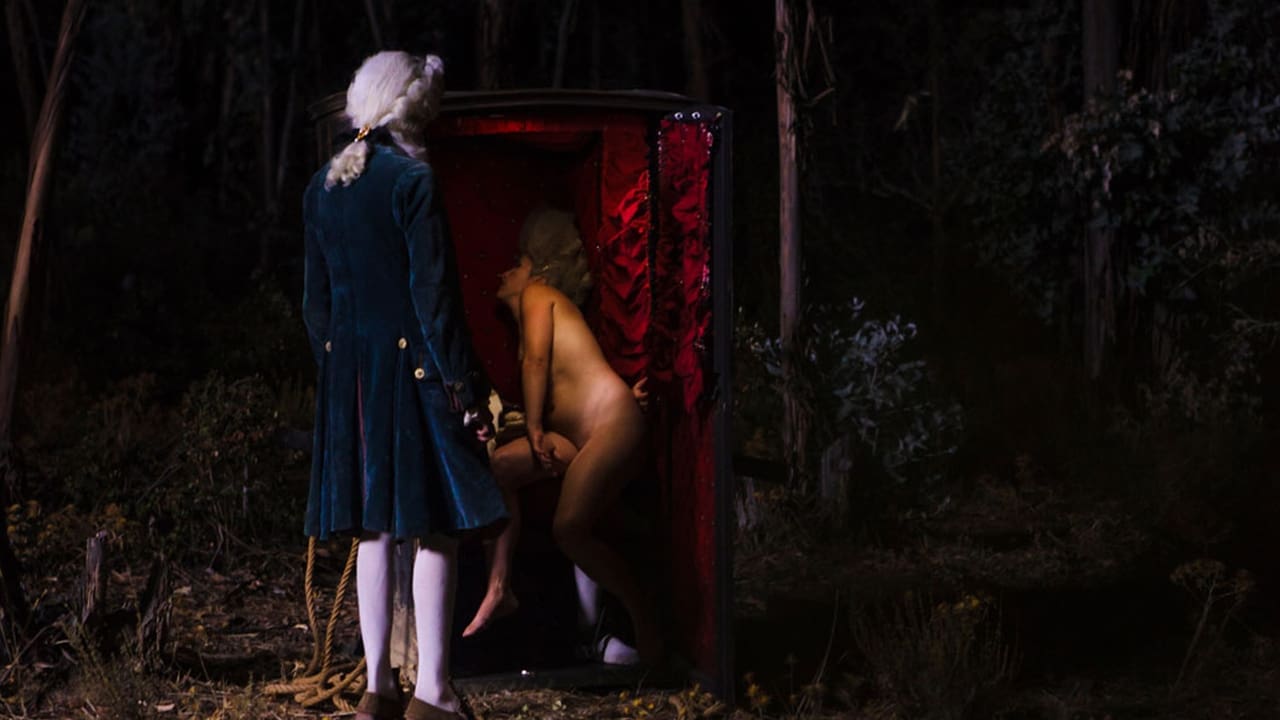
Set in 1774, just on the brink of the French Revolution, "Liberté" transports viewers to a period rife with political upheaval and social tension. The story unfolds between Potsdam and Berlin, where a group of aristocratic libertines—Madame de Dumeval, the Duke de Tesis, and the Duke de Wand—find themselves exiled from the strict, puritanical court of Louis XVI. Their rebellious spirits and disdain for societal constraints have made them pariahs in a world governed by rigid moral codes and hypocrisy.
In their search for companionship and understanding, they turn their eyes to the enigmatic Duc de Walchen, a famed German seducer and freethinker living in isolation. Despite residing in a land steeped in false virtue and conformity, the Duke embodies the ideals of personal freedom and enlightenment, positioning him as the perfect ally in their quest. Together, they aim to challenge and undermine the prevailing societal norms that suppress individual desires.
Their mission transcends mere rebellion; they seek to spread "libertinage," a bold philosophy rooted in the rejection of traditional moral boundaries and authoritative control. Beyond advocating for intellectual and personal liberation, they yearn to establish a sanctuary where pleasure is pursued without restraint, governed only by the primal call of unfulfilled desires. "Liberté" delves deep into the clash between repression and emancipation, exploring the complex dance between freedom, morality, and the pursuit of happiness during one of history's most tumultuous eras.
Main Cast of Liberté
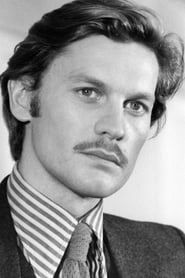
Helmut Berger

Marc Susini
Crew of Liberté
Full backstage crew list →- Released September 04, 2019