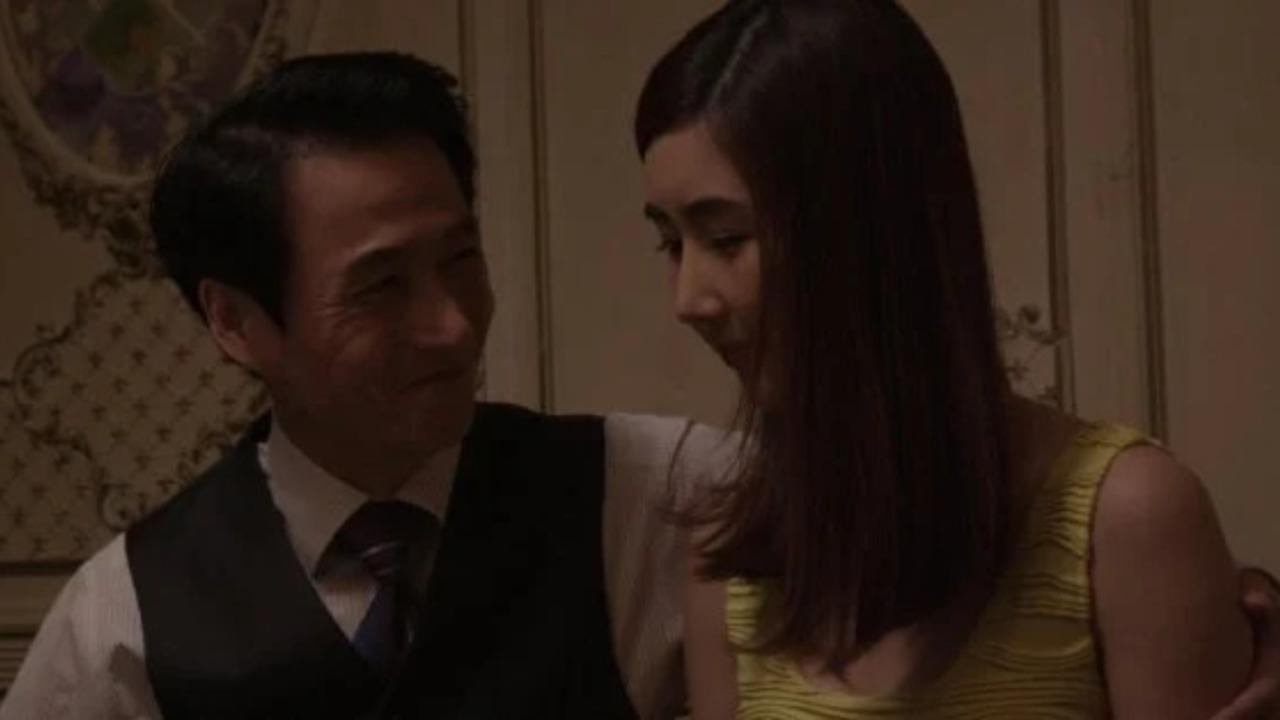
Let's Go To Rose Motel weaves a tense and provocative narrative centered on Seong-soo, a young man whose anticipation of physical intimacy with his girlfriend, Min-ae, is palpable after six months of a relationship devoid of physical contact. The plot thickens when Seong-soo manages to bring Min-ae to the titular Rose Motel, only to stumble upon a hidden hole in the wall that reveals a clandestine and scandalous scene involving a celebrity and a powerful politician. This unexpected voyeurism propels the story into a labyrinth of secrets and moral dilemmas.
The film delves deep into themes such as voyeurism, the intersection of power and sexuality, and the societal facades people maintain. It scrutinizes the pervasive culture of secrecy surrounding the private lives of public figures, and critiques the often-taboo nature of discussing sexual relationships openly. Moreover, the story examines the human proclivity for curiosity, and the consequences that arise when boundaries between private and public spheres are blurred. It subtly questions the ethical compass of individuals when confronted with unanticipated truths.
Since its release, Let's Go To Rose Motel has sparked conversations about privacy, power dynamics, and the influence of celebrity culture on society. Its bold storyline and unflinching exploration of sensitive subjects have stirred both acclaim and controversy, thereby cementing its place in contemporary pop culture as a thought-provoking narrative. The film’s impact is evident in how it has inspired dialogues about transparency and accountability, particularly within the realms of politics and entertainment, making it a significant work in the landscape of modern cinema.
Full Cast of Let's Go To Rose Motel

Woo Do-hwan
Sung Eun-chae
Crew of Let's Go To Rose Motel
Full backstage crew list →- Released August 14, 2013