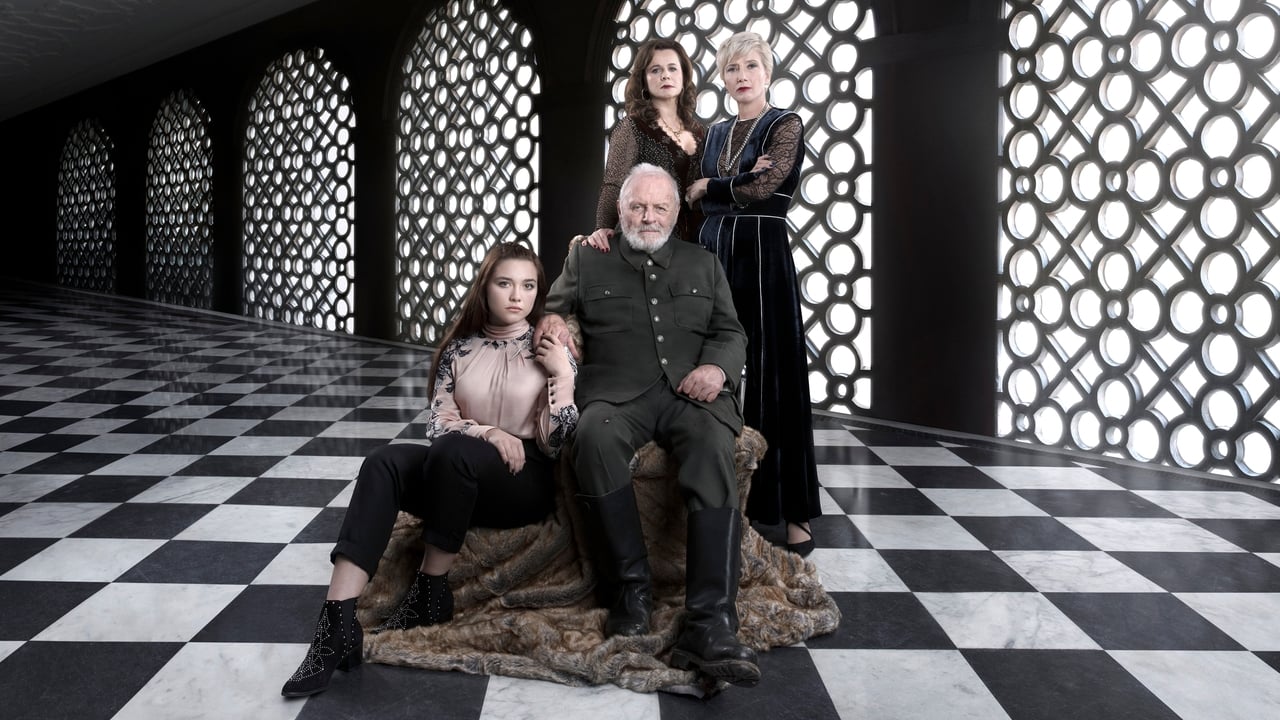
"King Lear" is a timeless tragedy by William Shakespeare that dramatizes the devastating consequences of pride and folly. The plot follows the aging King Lear, who decides to divide his kingdom among his three daughters based on their professions of love for him. Misguided by flattery, he disinherits his honest and devoted daughter, Cordelia, while rewarding his deceitful elder daughters, Goneril and Regan. This decision ignites betrayal, madness, and civil strife, culminating in a heartrending exploration of familial bonds and human frailty.
At its core, "King Lear" delves into themes of loyalty, power, madness, and the complexities of human nature. The play interrogates the dangers of vanity and the blindness of authority figures who fail to see beyond surface appearances. It also highlights the vulnerability of aging and the search for respect and recognition in later life. Through the tragic downfall of Lear, Shakespeare offers profound commentary on justice and redemption, challenging audiences to reflect on the true meaning of love and honesty.
The play has enjoyed enduring popularity and has been adapted countless times across stage and screen. Notably, the 1983 film adaptation starring Anthony Hopkins as Lear and Emma Thompson as Goneril brought renewed attention to the work, with powerful performances that underscored the story's emotional depth. "King Lear" continues to resonate in popular culture, inspiring contemporary retellings and serving as a poignant reminder of the complexities of human relationships and the consequences of our choices.
Main Cast of King Lear

Anthony Hopkins

Emma Thompson

Emily Watson

Jim Broadbent
Crew of King Lear
Full backstage crew list →- Released May 28, 2018